As mentioned if you like it that way that's fine it doesn't bother me.Nah, "upper" "higher" "top" all mean pitch-wise to me and everyone I work with as well. (For reference this is in jazz bands, rock bands, and orchestras) So G string is the highest or top string on my bass too. When I'm playing with a trumpet player (or any other instrument) and they say "can you play that same riff but an octave lower?" That means I'm going "down" to my "low" E string.
Edit: even if you're reading TAB, isn't the "low E" string on the bottom?

Enjoy the benefits of a premium membership!
Upgrade Account
-
TalkBass has been independent since 1998. Add your voice.
Create a free account to reply to discussions, view embedded media, and browse with fewer display ads.
Join free Log in
Want zero display ads or expanded classifieds tools? Compare plans.
You are using an out of date browser. It may not display this or other websites correctly.
You should upgrade or use an alternative browser.
You should upgrade or use an alternative browser.
Power Chords
- Thread starter pc2184034979
- Start date
More options
Who Replied?
It's the convention followed by everyone and every resource. So, going with your convention is simply counter to the rest of the music community.As mentioned if you like it that way that's fine it doesn't bother me.
- John

Over 20 posts in so far and you're the only one on this thread who does it your way. And that's fine it doesn't bother me.although many have read the thread you are the only one who read it the way you did

It's the convention followed by everyone and every resource. So, going with your convention is simply counter to the rest of the music community.
- John
But he's been playing lead guitar for 60 years, 45 as a pro. Surely he wouldn't be ignorant of something as basic as this.

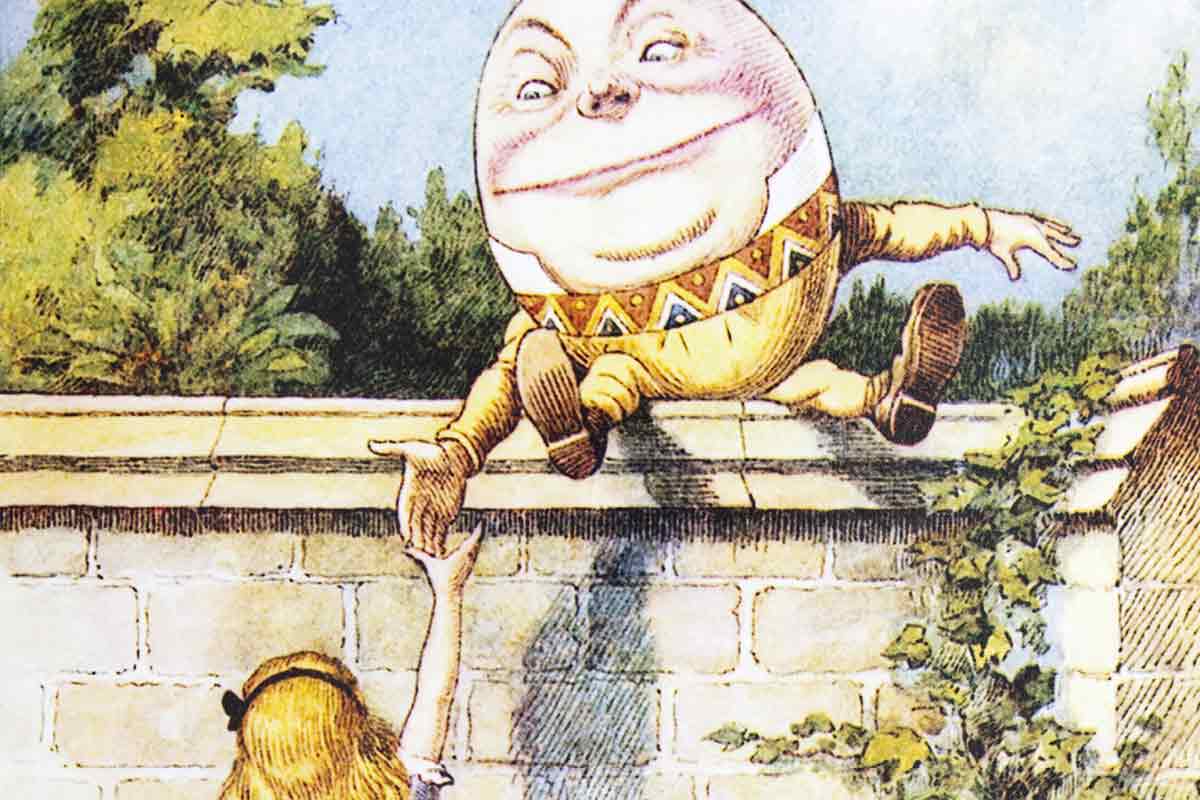
"When I use a word," Phil Case said, in rather a scornful tone, "it means just what I choose it to mean—neither more nor less."

I have played for 60 years 45 of those as a pro, and I have always used that method without problem, you say tomato and I say Tomatoe etc. Plus although many have read the thread you are the only one who read it the way you did (Obviously due to what you are used to) nothing wrong with that. I rest my case Take care
We're going in circles here. I've played bass for 52 years and worked as a professional musician for several years as well, even if not for as many years as you apparently have. So I think I may have at least some minor qualifications to speak on the subject of bass playing.
If you want to continue calling the E the "top string," and define "going up" as heading toward the nut rather than the bridge, be my guest. It deviates from the standard used in every single music school and instructional book on bass technique you'll find anywhere. But if it makes you happy to go against the standard definitions, that's fine by me too. However, I doubt I'm the only one here who would take issue with your usage even though I'm sure they (like I) understood what you meant regardless. I was simply trying to be helpful. My mistake for assuming my earlier comments would be taken in the spirit they were given. So I'll bow out and leave you to it.
Onward!



My thoughts about this thread exactly.You are right that has always been true. Not a new thought.

I think the OP in a Jeff Berlin thread would be interesting 
So was all the different types of music that came on the scene over the years not valid as they didn't follow convention.?It's the convention followed by everyone and every resource. So, going with your convention is simply counter to the rest of the music community.
- John
I didn't write this comment about myself, although you would probably think I "apparently" did Incidentally, I could have been playing for 90 years it doesn't follow that I am better than you or anyone else. Just trying to show I am not a newbie at it that's allWe're going in circles here. I've played bass for 52 years and worked as a professional musician for several years as well, even if not for as many years as you apparently have. So I think I may have at least some minor qualifications to speak on the subject of bass playing.
If you want to continue calling the E the "top string," and define "going up" as heading toward the nut rather than the bridge, be my guest. It deviates from the standard used in every single music school and instructional book on bass technique you'll find anywhere. But if it makes you happy to go against the standard definitions, that's fine by me too. However, I doubt I'm the only one here who would take issue with your usage even though I'm sure they (like I) understood what you meant regardless. I was simply trying to be helpful. My mistake for assuming my earlier comments would be taken in the spirit they were given. So I'll bow out and leave you to it.
Onward!
and for good measure in case you think this is someone masquerading as me here is a bit of proof
Last edited:
Doesn't even warrant a reply"When I use a word," Phil Case said, in rather a scornful tone, "it means just what I choose it to mean—neither more nor less."
View attachment 3203118

32 posts in and no one has chimed in to agree with the OP's view on high vs low on a bass....
What was the original purpose of this thread anyways? For a guitarist to enlighten bassists on what a power chord is?
What was the original purpose of this thread anyways? For a guitarist to enlighten bassists on what a power chord is?

Was great seeing them in the parade. Was glad to see itSooooo How about those Red Sox?
NO I play several instruments, bass being one of them, Beethoven, Mozart etc etc all used the "Same" notes we use today. For the harpsichord, lute and so on. they are just found at different positions on different instruments at different pitches.32 posts in and no one has chimed in to agree with the OP's view on high vs low on a bass....
What was the original purpose of this thread anyways? For a guitarist to enlighten bassists on what a power chord is?
I made a successful living at music so comments like yours do not fizz me.32 posts in and no one has chimed in to agree with the OP's view on high vs low on a bass....
What was the original purpose of this thread anyways? For a guitarist to enlighten bassists on what a power chord is?
Congrats! Was trying to deflect the arguments but that worked as well ss my Yankees game plan did this season!Was great seeing them in the parade. Was glad to see it
Its was never a question of right or wrong to me just that's how "I" have always viewed it. if that's o.k. with youIn that case, as in high vs low, you would be wrong. I'm sure you'll still insist you're right, though, and mention yet again how long you've been playing lead guitar.
How long have you been playing bass?
In total I played bass in a successful band for about 4 years, however, I don't know what that has to do with me having a particular preference on something, your the one insisting I should do it (your) way. Or anyone else's way.
Well they made it to the playoffs which is a challenge these days. Sox jumped to a good start and were lucky to stay mostly healthyCongrats! Was trying to deflect the arguments but that worked as well ss my Yankees game plan did this season!


