Chiming in every once in a while for insightful info for the community:
Spent the last month with Pyramid Gold 640/a (105 85 65 45). I’m a string addict constantly on the search for something cool for my main bass. I consider myself an expert in set-up and have a pretty good producers ear for pop/indie/r&b/soul/experimental sounds.
Sound: 10
Feel: 9
Intonation: 9
Customer Service: 10
Reliability: 0 (zero)
Value: 3
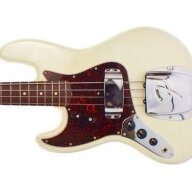
I’m pretty much convinced that, for me, these are the best sounding and, pretty much, best feeling strings i’ve ever had on my 73 jazz bass. No overt bottom, plenty of mids (very present around 250 to 2k hz), and shy highs that you can pull out with a pick or a pop. Set-up and intonate perfectly for me. I’ve heard them be called “supple” but that is probably referring to the lighter gauges that they sell as a standard set - these are stiff for a 105/45 set but very playable.
They sound like a recording through my amp... Insane. Thick and they sound like the lows mids and highs are coming from the same place; married very well. A unique but extremely usable voice.
The Comically Bad:
My review is based on the E A and D strings because I never got to play a G string with this set... I snapped one putting them on (i was pulling in it to stretch it but not like crazy). I received another free string from Pyramid in Germany. I was very careful and it snapped while I was adjusting the intonation screw at the bridge while the string was at pitch...
Last night my A string snapped/unwound at the 7th fret while it was sitting on my guitar rack!! Heard a pop from across the room and, to my astonishment, looked to find my A was laying there floppy.
Customer service (Max at Pyramid) has been awesome and apologetic. I even have two other G replacements from my second snapping on the way but I am moving on after the A snapped.
I will revisit Pyramid golds if I get to famous level where I can afford multiple sets / back-up basses / etc. Yes, they sounded and felt that good to me. But there’s no way I can give them another shot now. I’m moving on.
Spent the last month with Pyramid Gold 640/a (105 85 65 45). I’m a string addict constantly on the search for something cool for my main bass. I consider myself an expert in set-up and have a pretty good producers ear for pop/indie/r&b/soul/experimental sounds.
Sound: 10
Feel: 9
Intonation: 9
Customer Service: 10
Reliability: 0 (zero)
Value: 3
I’m pretty much convinced that, for me, these are the best sounding and, pretty much, best feeling strings i’ve ever had on my 73 jazz bass. No overt bottom, plenty of mids (very present around 250 to 2k hz), and shy highs that you can pull out with a pick or a pop. Set-up and intonate perfectly for me. I’ve heard them be called “supple” but that is probably referring to the lighter gauges that they sell as a standard set - these are stiff for a 105/45 set but very playable.
They sound like a recording through my amp... Insane. Thick and they sound like the lows mids and highs are coming from the same place; married very well. A unique but extremely usable voice.
The Comically Bad:
My review is based on the E A and D strings because I never got to play a G string with this set... I snapped one putting them on (i was pulling in it to stretch it but not like crazy). I received another free string from Pyramid in Germany. I was very careful and it snapped while I was adjusting the intonation screw at the bridge while the string was at pitch...
Last night my A string snapped/unwound at the 7th fret while it was sitting on my guitar rack!! Heard a pop from across the room and, to my astonishment, looked to find my A was laying there floppy.
Customer service (Max at Pyramid) has been awesome and apologetic. I even have two other G replacements from my second snapping on the way but I am moving on after the A snapped.
I will revisit Pyramid golds if I get to famous level where I can afford multiple sets / back-up basses / etc. Yes, they sounded and felt that good to me. But there’s no way I can give them another shot now. I’m moving on.