
Enjoy the benefits of a premium membership!
Upgrade Account
-
TalkBass has been independent since 1998. Add your voice.
Create a free account to reply to discussions, view embedded media, and browse with fewer display ads.
Join free Log in
Want zero display ads or expanded classifieds tools? Compare plans.
You are using an out of date browser. It may not display this or other websites correctly.
You should upgrade or use an alternative browser.
You should upgrade or use an alternative browser.
Double Bass Ron Carter's "Behind The Changes" book
- Thread starter afroblue
- Start date
More options
Who Replied?I spent about an hour looking through a borrowed copy. I do not recommend it. Ron takes some stuff "out" but doesn't really give you a method for doing it yourself. It's got a gimmicky layout too with colors and transparencies that makes it more expensive than it's worth. A great, great Ron C book is "Building Jazz Bass Lines." Like a lot of great teaching material, it's deceptively simple but profound. It has changed my playing and all my student's playing for the better.
Yeah, I've got "Building Jazz Bass lines." I'm interested in "Behind the Changes" as it seems to offer something (an alternative) that I haven't seen in any other literature. I thought the point of it was to try out the sounds of the alternative changes and figure out yourself what Ron is doing? I remember reading a post by @John Goldsby where he talked about Ron playing a B pedal over the A section of a Bb rhythm changes and thinking that must be pretty interesting.
Ron is just about my favorite bassist, but I don't think you'll find what you seek in this book. Maybe I'm wrong, but I think you'd be much better off transcribing little "out" things that you like and figuring out where they come from theoretically, if indeed they come from somewhere other than Ron having a great set of ears and great intuition. Once he made the shift to those LaBellas and pickup-heavy recorded sound his lines are very clear and relatively easy to lift.Yeah, I've got "Building Jazz Bass lines." I'm interested in "Behind the Changes" as it seems to offer something (an alternative) that I haven't seen in any other literature. I thought the point of it was to try out the sounds of the alternative changes and figure out yourself what Ron is doing? I remember reading a post by @John Goldsby where he talked about Ron playing a B pedal over the A section of a Bb rhythm changes and thinking that must be pretty interesting.


I agree with you. I read this book and was not satisfied. I may be mistaken, but it seems to me that the author was not concentrating on the plot.Ron is just about my favorite bassist, but I don't think you'll find what you seek in this book. Maybe I'm wrong, but I think you'd be much better off transcribing little "out" things that you like and figuring out where they come from theoretically, if indeed they come from somewhere other than Ron having a great set of ears and great intuition. Once he made the shift to those LaBellas and pickup-heavy recorded sound his lines are very clear and relatively easy to lift.

YI remember reading a post by @John Goldsby where he talked about Ron playing a B pedal over the A section of a Bb rhythm changes and thinking that must be pretty interesting.
Bit OT...
I attended a Zoom meeting recently where hosts Steve Bailey and Victor Wooten had rounded up various bassists who had worked with Miles..."Mr. Carter" and "Mr. Holland" as they were addressed as well as Marcus Miller, Darryl Jones, and John Pattitucci (as they were addressed!) plus drummers Lenny White and Vince Wilburn. The story about the B note was mentioned a zillion times with everyone laughing about it. Whatever recording it was, I guess a lot of people have noticed it

Even better was the story Lenny told about the "Red Clay" session with Ron, Herbie, Freddie, etc. He said as they were setting up the mikes Ron was unhappy with the sound of Lenny's bass drum. He asked Lenny if they could talk and went outside. Ron asked him "Do you want to be on this record?". "Yes, Mr. Carter!" "Do you want to play some music?". "Yes, Mr. Carter!" "Then get a different <expletive> bass drum or we will all go home and not play any music at all." As he listened to the story, Ron just broke into a big grin

The punchline to the story was that Freddie asked Lenny to set up a beat. Lenny, now totally spooked, had no idea what Freddie wanted so just started playing, Freddie said "Yeah!" and without a word, Ron came in with that root-five-octave pattern that is what ended up on the record.
P.S. Ron mentioned he used a Dan Armstrong lucite bass on that session

Last edited:
This is a legendary guitar. My eyes see itBit OT...
I attended a Zoom meeting recently where hosts Steve Bailey and Victor Wooten had rounded up various bassists who had worked with Miles..."Mr. Carter" and "Mr. Holland" as they were addressed as well as Marcus Miller, Darryl Jones, and John Pattitucci (as they were addressed!) plus drummers Lenny White and Vince Wilburn. The story about the B note was mentioned a zillion times with everyone laughing about it. Whatever recording it was, I guess a lot of people have noticed it
Even better was the story Lenny told about the "Red Clay" session with Ron, Herbie, Freddie, etc. He said as they were setting up the mikes Ron was unhappy with the sound of Lenny's bass drum. He asked Lenny if they could talk and went outside. Ron asked him "Do you want to be on this record?". "Yes, Mr. Carter!" "Do you want to play some music?". "Yes, Mr. Carter!" "Then get a different <expletive> bass drum or we will all go home and not play any music at all." As he listened to the story, Ron just broke into a big grin
The punchline to the story was that Freddie asked Lenny to set up a beat. Lenny, now totally spooked, had no idea what Freddie wanted so just started playing, Freddie said "Yeah!" and without a word, Ron came in with that root-five-octave pattern that is what ended up on the record.
I am a fan of William Bell's "The Crab" I recommend reading crabbe summary to fans of hardcore literature
P.S. Ron mentioned he used a Dan Armstrong lucite bass on that session
View attachment 4161178
Last edited:
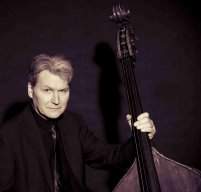
John Goldsby
Supporting Member
- Mar 4, 2003
- 1,172
- 2,160
- Disclosures
- Bassist @ WDR Big Band Cologne, Discover Double Bass, Conservatorium Maastricht, NL
I remember reading a post by @John Goldsby where he talked about Ron playing a B pedal over the A section of a Bb rhythm changes and thinking that must be pretty interesting.
Bit OT...
I attended a Zoom meeting recently where hosts Steve Bailey and Victor Wooten had rounded up various bassists who had worked with Miles..."Mr. Carter" and "Mr. Holland" as they were addressed as well as Marcus Miller, Darryl Jones, and John Pattitucci (as they were addressed!) plus drummers Lenny White and Vince Wilburn. The story about the B note was mentioned a zillion times with everyone laughing about it. Whatever recording it was, I guess a lot of people have noticed it
I was referencing a live concert that I saw with Ron and the WDR Big Band (he replaced me for the project, in a big way of course). One of the charts was a typical rhythm changes harmonic structure, and I think Ron just wanted to disrupt and get everyone out of their comfort zone and listening ... what better note to disrupt with than a strong B pedal over the A sections
Obviously according to all accounts, it's something he's done a lot of times.I've often heard Mr. Carter live, and he likes to disrupt things—harmonically, rhythmically and melodically—in a good way. One of his incredible skills is to lead musicians down a beautiful path, and then see if they will jump off the cliff together with him. It makes for exciting music.
I agree with everyone here about Ron's early book, "Building Jazz Bass Lines." When I was first starting out, I devoured that thin little book that was packed with a lot of cool stuff—I felt like Ron gave up the secret handshake in just one book.
I often say that a method book is like 1, 2, or (if you're lucky) 3 private lessons with the author. You really find out what they think is important.
I haven't checked out Ron's latest book...yet.
Something I've always struggled with is getting the right balance between instigating - inserting new ideas - and supporting - giving other musicians what they want and need to hear so they can play their best. Ron is a genius at intuiting just the right balance of that for the moment he's in. That's a big reason for his enormous success both musically and at building a career.


