
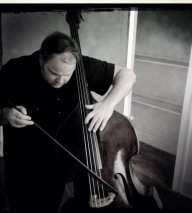
I tend to really put off taking my bass in to the shop. I recently broke down and took mine in for some minor set up issues (lower action, filling in the nut on the G, regluing a neck repair, etc.) and a new endpin.
Being 6'2" I realize now that my bass had been just a bit too low for well over a decade!! Not only that my old endpin was a little janky and now the bass is way more stable.
I am pretty good at staying on my students about these things and I send them to my Luthier, but I could have been better on myself!
I think I may have overdone the "practice over gear" thing!
I'd like to hear others thoughts on it, but here are some of my basic suggestions:
1. A SOLID endpin that has a few options for the students exact height. Of course there is the big debate over straight or bent/angled, personally I suggest straight and consider the bent/angled ones an artistic choice to be made at a more advanced stage - I understand there are other veiws on it!
2. Strings the student doesn't have to fight right off, I tend to suggest Spiro weichs, solos or Corellis.
3. An adjustable bridge that is able to start low and be raised based on the musical needs.
4. A wood or carbon bow with good (real) hair.
I always suggest a carved bass. A plywood is better than nothing, though. More advanced set up advice depends on the students needs and finances.
It would be interesting to hear others thoughts.
Being 6'2" I realize now that my bass had been just a bit too low for well over a decade!! Not only that my old endpin was a little janky and now the bass is way more stable.
I am pretty good at staying on my students about these things and I send them to my Luthier, but I could have been better on myself!
I think I may have overdone the "practice over gear" thing!
I'd like to hear others thoughts on it, but here are some of my basic suggestions:
1. A SOLID endpin that has a few options for the students exact height. Of course there is the big debate over straight or bent/angled, personally I suggest straight and consider the bent/angled ones an artistic choice to be made at a more advanced stage - I understand there are other veiws on it!
2. Strings the student doesn't have to fight right off, I tend to suggest Spiro weichs, solos or Corellis.
3. An adjustable bridge that is able to start low and be raised based on the musical needs.
4. A wood or carbon bow with good (real) hair.
I always suggest a carved bass. A plywood is better than nothing, though. More advanced set up advice depends on the students needs and finances.
It would be interesting to hear others thoughts.


