Hi all,
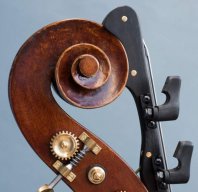
Been lurking for a couple of weeks. Been dying to tackle the upright for quite some time - got ahold of a czech carved top that I'm renting til I decide if I like it enough to go ahead and buy this one, or keep looking for something else.
So far so good - I love the way it sounds - almost bought a chinese Hofner from another shop around here, and I'm glad I didn't. That was an alright bass, but the Schoenbach is Much Livelier sounding..
There is one small problem - I had asked the sales guy at Long & Mcquade if they had set it up and was told it already had been (usually they're pretty good for being honest about that stuff, and they know me - heck I spend enough there After a day of noodling around on it, I started to really noticed what I thought was a setup issue: really high G string, and the E was way too low to pluck reasonably hard - I figure now the bridge probably just shifted treble-ward.
I really don't want to haul the thing down and lose it for a few days while they look at it if I can get away with it - so whats the best way to reposition the bridge? I mean I know *where* it should go (f-hole notches and dead center) but can I just loosen the strings and give it a tap with a rubber mallet? Do I need to loosen the strings right to slack and get a helper to hold it in place while I re-tension them?
Seems like a pretty simple job - just don't want to blow it - I've done just about everything you can think of over the years to my EB's, and I'm wary of getting cocky with my repair skills..
Thanks all.
Miles
Been lurking for a couple of weeks. Been dying to tackle the upright for quite some time - got ahold of a czech carved top that I'm renting til I decide if I like it enough to go ahead and buy this one, or keep looking for something else.
So far so good - I love the way it sounds - almost bought a chinese Hofner from another shop around here, and I'm glad I didn't. That was an alright bass, but the Schoenbach is Much Livelier sounding..
There is one small problem - I had asked the sales guy at Long & Mcquade if they had set it up and was told it already had been (usually they're pretty good for being honest about that stuff, and they know me - heck I spend enough there
After a day of noodling around on it, I started to really noticed what I thought was a setup issue: really high G string, and the E was way too low to pluck reasonably hard - I figure now the bridge probably just shifted treble-ward.I really don't want to haul the thing down and lose it for a few days while they look at it if I can get away with it - so whats the best way to reposition the bridge? I mean I know *where* it should go (f-hole notches and dead center) but can I just loosen the strings and give it a tap with a rubber mallet? Do I need to loosen the strings right to slack and get a helper to hold it in place while I re-tension them?
Seems like a pretty simple job - just don't want to blow it - I've done just about everything you can think of over the years to my EB's, and I'm wary of getting cocky with my repair skills..
Thanks all.
Miles