I'm not a luthier and as noted below I'm not an unbiased poster.
Precisely.
When we first saw this FB post, we had a good laugh thinking that the poster actually sat up rubbing his hands together adding background audio and so on to make this video. Who does business like this?
So here's the answer that the video deserves, hopefully our friends at TB allow me a fair reply.
Reinforcing necks is done by many, and perhaps the majority, of makers today, including the top dollar makers. Most use carbon fiber rods, we choose not to. The choice has to do with the fact that our basses are heavily used, in every locale from schools to universities to clubs to symphony hall. They fall over, and players brake necks off on everything from cab doors, stage floors, and everywhere else. Children drag them down hallways by their scrolls, you know they do. When the neck gets blasted, the channel is easily removed/reversed during repair, and since it conducts heat it even facilitates an easier fingerboard removal. An epoxied CF rod is brutal to remove during a repair, if you've had to dig one out of a neck you know just what I mean. The most important thing is that our method has been incredibly successful, and recommend it to any maker looking for reversible reinforcement and reduced neck movement.
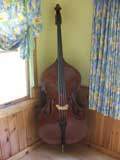
Now back to that video, for a teachable moment, and all truth. That is a Shen SB150 3/4 hybrid bass, one of our flagship products. Had the poster thought in more positive terms about why we sell so many, he could have learned two things just from the picture that might actually help him improve his business:
1. This is how an oil varnish should look.
2. Hybrid bass means carved tops, not pressed planks.
Nothing but the truth.
Best,
John
Proudly Sam Shen's US Distributor.