Is there a box that allows me to connect my cabinet speakers to 2 bass amp heads and switch back and forth between them?

TalkBass has been independent since 1998. Add your voice.
Create a free account to reply to discussions, view embedded media, and browse with fewer display ads.
Join free Log in
Want zero display ads or expanded classifieds tools? Compare plans.

Not safely, not for modern bass heads.Is there a box that allows me to connect my cabinet speakers to 2 bass amp heads and switch back and forth between them?

To the OP...I don't know the reason why you want to do that.Not safely, not for modern bass heads.

Definitely not.To the OP...I don't know the reason why you want to do that.
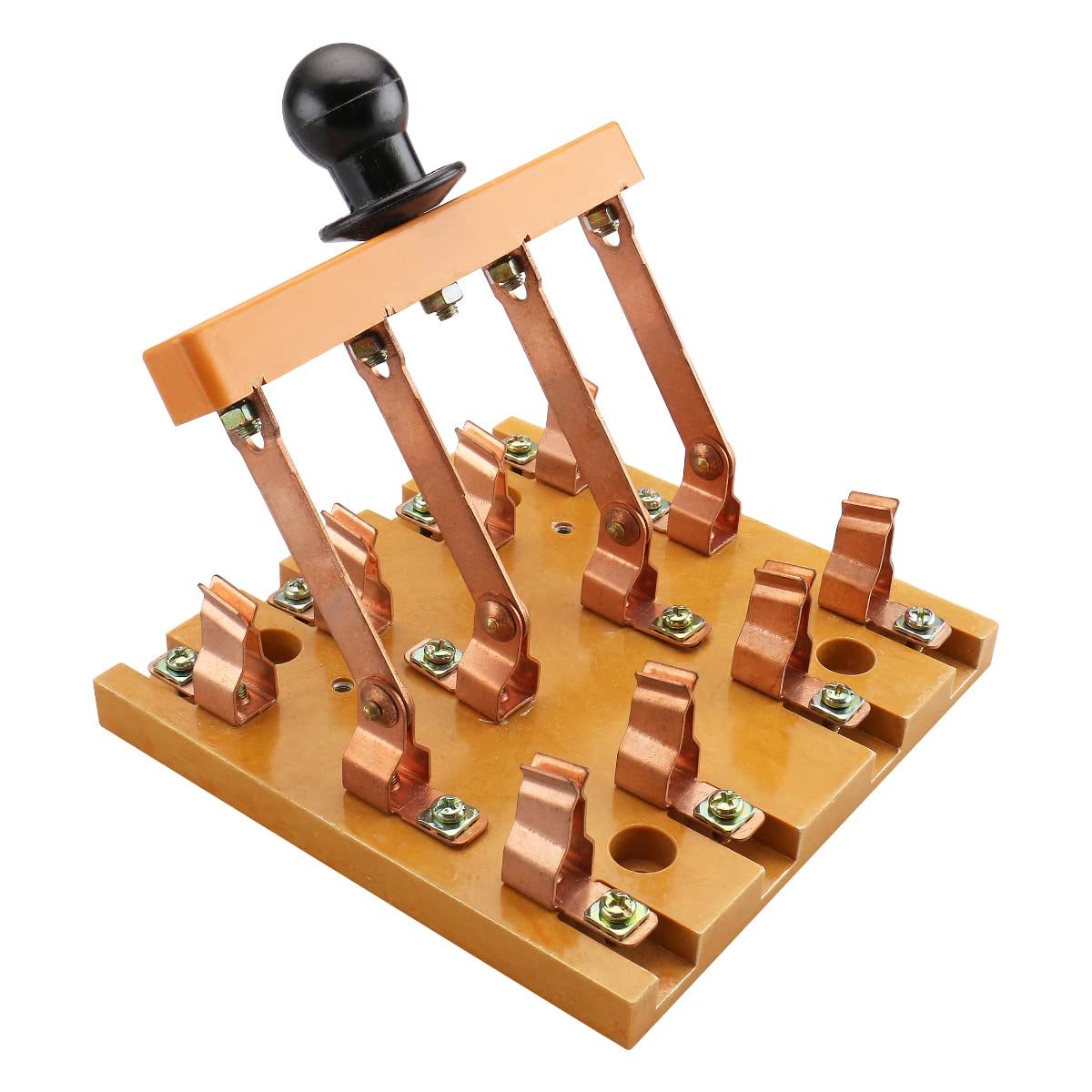
To agedhorse...Couldn't a simple two way switch at the input jack allow for the jack to accept the input from either one or the other?
Label the switch Amp 1/Amp 2. Wouldn't it just be the same as unplugging the cab from one amp and plugging it into the other? Provided it actually disconnected the unused amp when the other is used.
Did you mean "break before make"?Definitely not.
There needs to be 100% isolation between both terminals of both amps and the switch must be make before break or expensive damage will be the result.
Ummm, yup. UghDid you mean "break before make"?

Don't worry, I've got your backUmmm, yup. Ugh



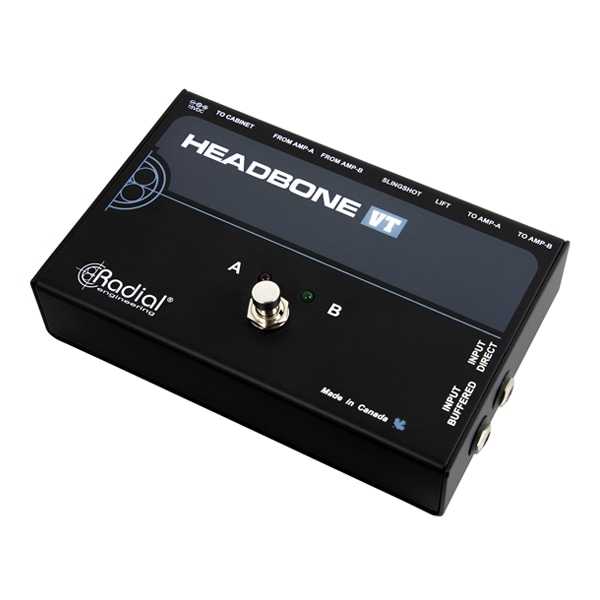


Almost all modern bass heads are fine unloaded, the issue is an internal connection between amp 1 and amp 2 (usually on the sleeve side). This is for sure the case with the 1/4" jacks while plugging in, but also when switching there can be momentary cross-conduction which is fine for tube amps, but not good for solid state amps.I suspect the problem is a head that has no load on it is what the problem might be. What 2 specific amp heads are we talking about here ? Perhaps there is something in the owner's manual that indicates a false/ghost impedance load for a protective circuit that the manufacturer of the amp head could confirm/verify would protect the amp head without a load for an AB box of a switch for the cab ? Would be a different situation if both amp heads didn't share the same cab and the ABY box ahead of the amp input was selecting which amp head was active for receiving the signal. I wouldn't even try it with tube amps for a single shared cab, but solid state amp heads ? I'd ask that question, with the manufacturer thru their support contact. Better is just have 2 rigs separate & ABY the bass guitar for input. The loads are there for the speaker end of it, inputs for each amp aren't a requirement, it's each amps outputs that may need impedance loads.

Maybe, but no guarantees.How about this thread with the cab switcher but connected in reverse, assuming both heads are solid state?
https://www.talkbass.com/threads/diy-cab-switcher.1666016/