I don't think there's anything wrong with playing bass like a guitarist... just as long as you also know how to play bass like a bassist. Technique, methods, and philosophies like this are tools. If you don't need them, you don't need them, but if you might want them, then you should know them. Most of the time I play bass like a bassist, but sometimes I play bass like a guitarist.So, if you are like me and have been playing guitar for a LOT of years (40+ for me playing live, paying gigs) and then decided that the bass guitar was calling you, I have a couple questions.
1. First how did you overcome (or have you yet) the natural inclination to play bass LIKE a guitarist? 2. Do you practice a certain way or follow instruction from a teacher or online video?
3. What skill sets did you bring with you as a guitarist that you still find applicable to bass?
4. If, like me, you have been playing guitar a long time, do you balance playing guitar in one project and bass in another or possibly in the same project?
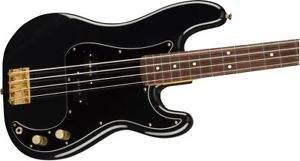
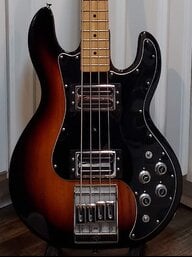
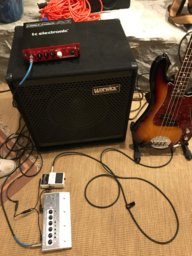
I have made the move, have been investing in gear, and I truly believe that bass is my calling for the second half of my life. I want to try and break old bad habits and become a sought after bassist in my area.
My most applicable guitar skill on bass is my picking style. I've heard it said you can't play funk/jazz/blues/etc/whatever with a pick... and I suppose that's true, if the extent of your picking skills are driving 8th note roots. My pick style on bass became a lot more enriched and defined when I started getting better at picking different rhythms on guitar, like funk rhythm guitar stuff. As well, being aware of where I'm picking (neck, middle position, near the bridge, etc) and the dynamics of the notes-- wide open ringing, palm muting, fretting hand muting, etc.
I suppose the other skill is harder to qualify, because it's not so much guitar-specific, but I think it's lost on a lot of bass players. A lot of bass players I see/hear/listen to play very... let's say, statically. They hold down the fort and keep the groove going, for sure. But what they don't seem to have is a sense of letting their instrument/playing breath with the music. They don't react to the other music going on around them, and they don't have a sense of development in the notes they play. This could be in the context of change within a musical phrase, or from one section of a song to another, or across the whole song/piece. You could call this a difference in skill, or you could call it an intentional difference in aesthetic. Either way, I'm not a fan. Music exists in the time domain, and to me it's no different from film or storytelling. If you have something that stays the same throughout the piece... it can work, but to me, it needs to be a calculated musical decision, not the default for an entire instrument. Otherwise it might just feel lazy, or like a "plot hole".
Last edited: