Totally agree with the above post. I have my gear insure through Heritage Insurance. They specialize in musical instrument insurance. The policy pretty much covers every kind of loss or damage, whether caused by theft or accident. it even covers loss or damage during shipping from seller to me, or from me to a buyer. It's very inexpensive for what it covers.
if you can't afford to replace your gear if it's lost or damaged, you need to have it insured.
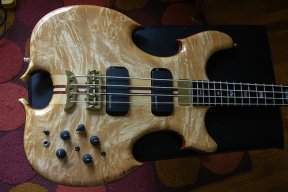
i did the same when i purchased a bass from the UK. i made sure that the instrument was covered prior to the seller shipping it. the company i went with needed lots of pics of what type of case it would be in transit with, type of box, etc. also clear pictures identifying the serial number. different insurance companies has different policies, in my case, i picked a policy that would cover the instrument exact replacement if it were to be custom built again.....
Here is the breakdown on the coverage types that i read about from the company i went with...
Actual Cash Value:
Actual cash value coverage (”ACV”) is something that you want to avoid wherever possible. This valuation clause,
typically found on most homeowners and commercial property policies, subjects you to a potential for a depreciated settlement at claim time if you are insured at less than 80%, 90% or in some cases, even 100% of the “replacement” cost of the insured property. The typical insurance industry’s definition for ACV is the:
Cost to replace your instrument with a new instrument of similar like kind and quality, less depreciation.
What does this mean? If you do not keep the value up to date on your instrument to 80% to 100% of “replacement cost” and have an ACV clause on your policy and experience a coverage loss, you may well receive less, and possibly significantly less, for the repair or replacement of your instrument. The good news is that most musical instrument policies, including Anderson Group's, DO NOT place an ACV valuation clause on their policies.
Replacement Cost:
If you have a Replacement Cost valuation clause, the deduction for depreciation is removed from your policy, otherwise the definition noted above for ACV remains. What you actually end up receiving at claim time is still unclear as you and the insurance company will have to sort out the “replacement cost” for a replacement instrument of like kind and quality.
Agreed Value:
With “agreed value” coverage, both you and the insurance company have agreed up front on how much your instrument(s) and accessories are worth! Should you experience a covered loss, the insurance company will pay up to the “agreed value” in the case of repair or the “agreed value” if your instrument has been lost, stolen or damaged beyond repair. How do we come up to a mutually agreeable “agreed value”? For instruments currently being produced, we will typically accept the current year replacement cost to replace your instrument(s). In other cases, we may request an appraisal. In all cases, we will let you know whether we will require an appraisal or not.99% of the policies issued .
Diminished Value:
Includes additional coverage should your instrument suffer a reduction in value due to a covered loss, up to the maximum “agreed value” limit for the instrument in question.







 Everyone who has the need should do this.