
Enjoy the benefits of a premium membership!
Upgrade Account
-
TalkBass has been independent since 1998. Add your voice.
Create a free account to reply to discussions, view embedded media, and browse with fewer display ads.
Join free Log in
Want zero display ads or expanded classifieds tools? Compare plans.
You are using an out of date browser. It may not display this or other websites correctly.
You should upgrade or use an alternative browser.
You should upgrade or use an alternative browser.
Things You Don't See Anymore Part 3
- Thread starter Richland123
- Start date
More options
Who Replied?




Tom Terrific with Manfred The Wonder Dog and Crabby Appleton
[Invalid or Expired Link Removed]
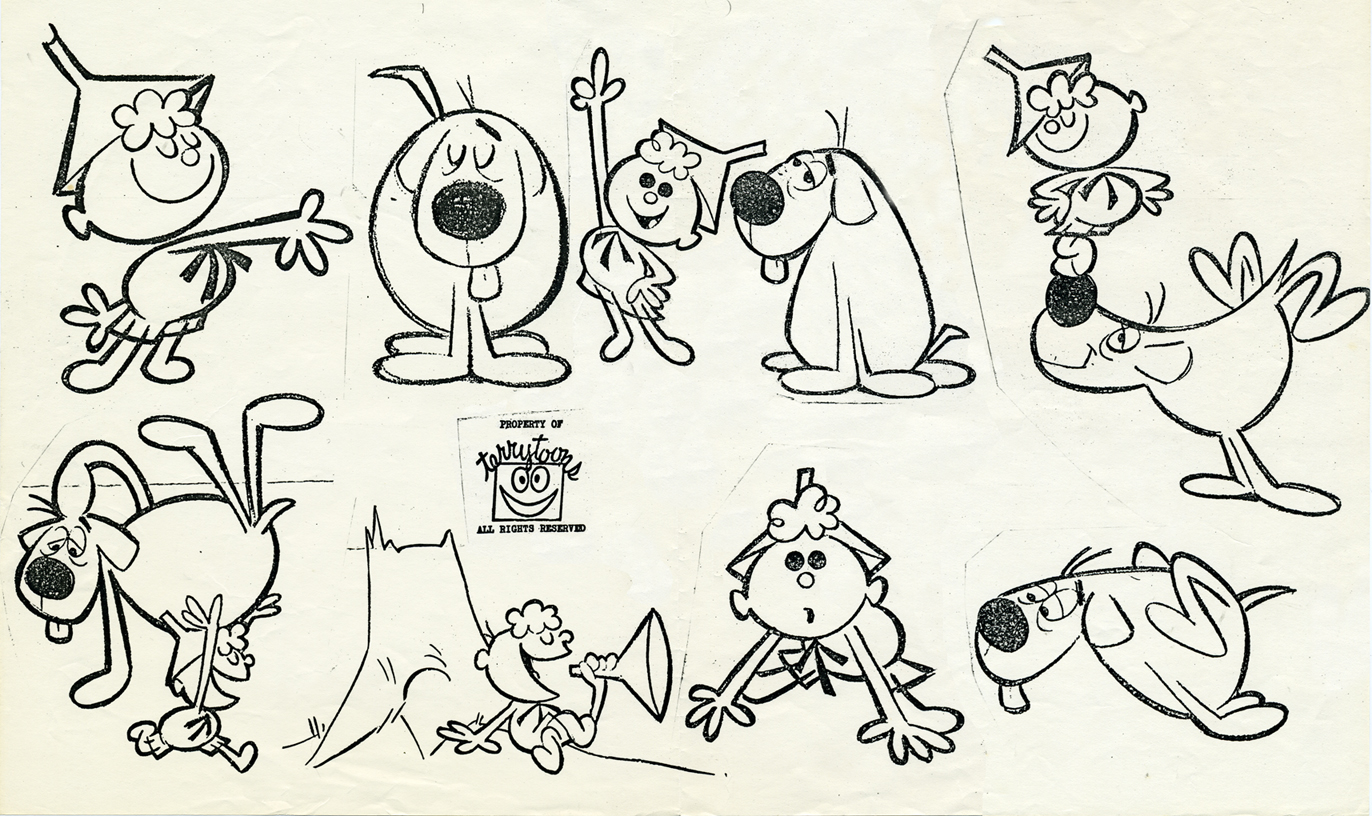

Crabby Appleton

[Invalid or Expired Link Removed]
Crabby Appleton
[Invalid or Expired Link Removed]
The Dictaphone Telecord and Edison Telediphone
The first machine to have any success in the U.S. market was the Dictaphone Telecord, an electronic telephone recorder (though still using wax cylinders) first offered in 1926. Dictaphones were made by a division of the Columbia phonograph company, but the Dictaphone division would soon become an independent company. The technology of electronics, which was still new in 1926, was the key to linking the phonograph and the telephone, because it allowed the incoming signal to be amplified if necessary.
However, by this time, the American Telephone and Telegraph Company (AT&T) and its subsidiaries were creating a monopoly on telephone service. In order for a telephone-related invention to succeed, it had to be adopted by the Bell System. AT&T evaluated the Telecord, but then decided not to allow consumers to use the it on the public network. Nonetheless, customers who had private lines (such as railroads, which had private lines from station to station along the tracks) began using the Telecord for record-keeping purposes.
1930 AT&T modified its rules allowing the use of a Telecord in conjunction with a PBX (private branch exchange, the type of switchboard used in large offices). But this had little impact on the success of the Telecord, because few customers wanted to use the technology in this way.
Some time in the 1930s, the Edison company introduced the Telediphone to compete with the Telecord. Both were modified dictation machines.
The Dictaphone Telecord and Edison Telediphone
The first machine to have any success in the U.S. market was the Dictaphone Telecord, an electronic telephone recorder (though still using wax cylinders) first offered in 1926. Dictaphones were made by a division of the Columbia phonograph company, but the Dictaphone division would soon become an independent company. The technology of electronics, which was still new in 1926, was the key to linking the phonograph and the telephone, because it allowed the incoming signal to be amplified if necessary.
However, by this time, the American Telephone and Telegraph Company (AT&T) and its subsidiaries were creating a monopoly on telephone service. In order for a telephone-related invention to succeed, it had to be adopted by the Bell System. AT&T evaluated the Telecord, but then decided not to allow consumers to use the it on the public network. Nonetheless, customers who had private lines (such as railroads, which had private lines from station to station along the tracks) began using the Telecord for record-keeping purposes.
1930 AT&T modified its rules allowing the use of a Telecord in conjunction with a PBX (private branch exchange, the type of switchboard used in large offices). But this had little impact on the success of the Telecord, because few customers wanted to use the technology in this way.
Some time in the 1930s, the Edison company introduced the Telediphone to compete with the Telecord. Both were modified dictation machines.

Tom Terrific with Manfred The Wonder Dog and Crabby Appleton
[Invalid or Expired Link Removed]
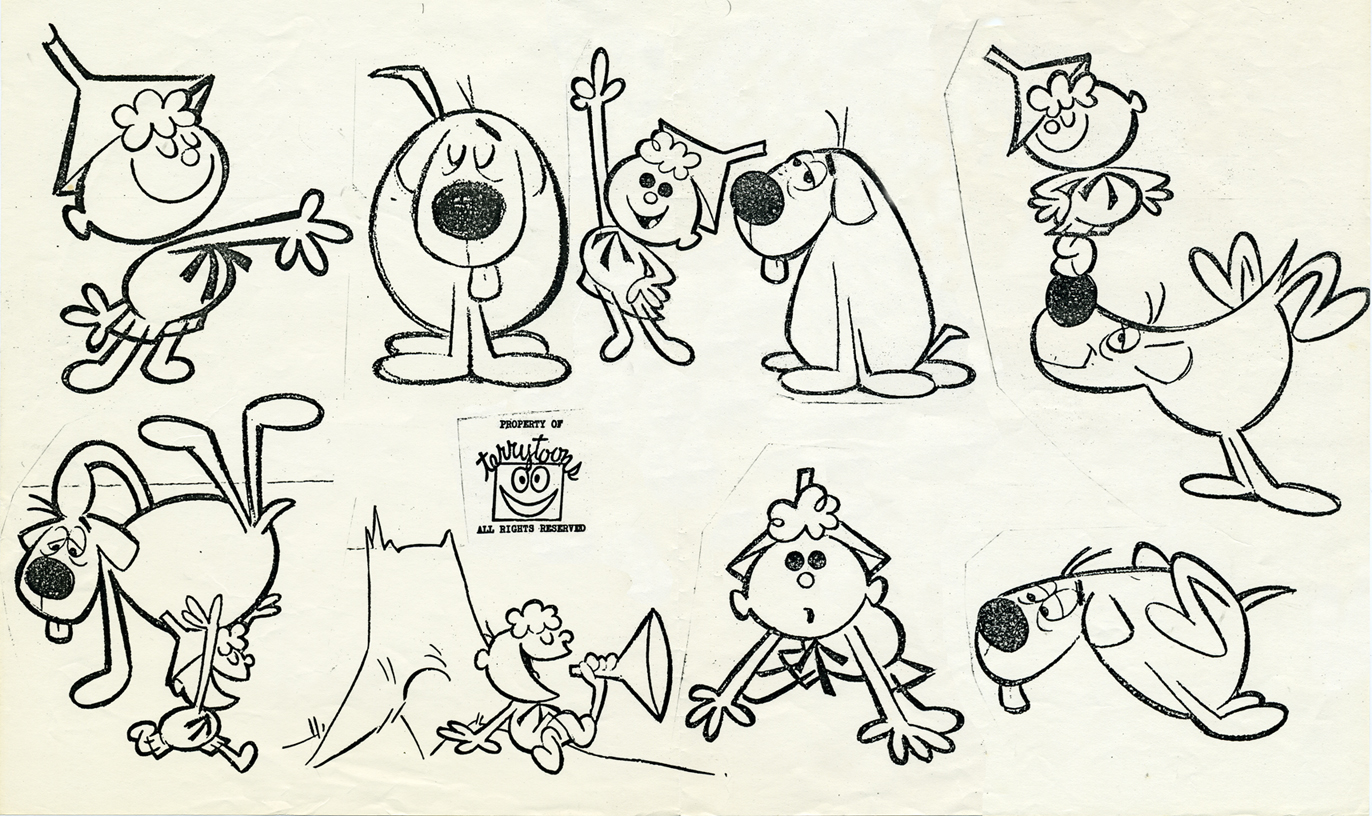

Crabby Appleton

Wow Tom Terrific how I remember the beating I got for writing on the tv screen with a indelible marker since they wouldn't buy me the special plastic transparent so you could help him draw objects to get out of situation.
I don't think kids today do anything like that? We spent most of our young life's outside figuring out ways to have fun. When I was a kid I went out of the house in the morning jumped on my bike and didn't show up till dinner time. We played every sport that was in season and unless you were sick you were outside!
You have described my childhood but I spent more time fishing and hunting than playing sports. I was only inside on rainy days, and on those days my parents had made sure that there were plenty of books for us to read. I know that in every age there is a longing for the "good old days" but I do honestly believe that my childhood was happier and more wholesome than the experience most kids have today. I recently told my mother, who is now in her 70's, that I feel I have much more in common with her generation than to the youth of today. Perhaps this is the inevitable consequence of growing old ... but it is how I really feel.
You have described my childhood but I spent more time fishing and hunting than playing sports. I was only inside on rainy days, and on those days my parents had made sure that there were plenty of books for us to read. I know that in every age there is a longing for the "good old days" but I do honestly believe that my childhood was happier and more wholesome than the experience most kids have today. I recently told my mother, who is now in her 70's, that I feel I have much more in common with her generation than to the youth of today. Perhaps this is the inevitable consequence of growing old ... but it is how I really feel.
Oh I too went fishing all the time even on school trips to Stokes Forest when I was a kid my handy Southbend fishing pole with the Zebco spinner reel came along
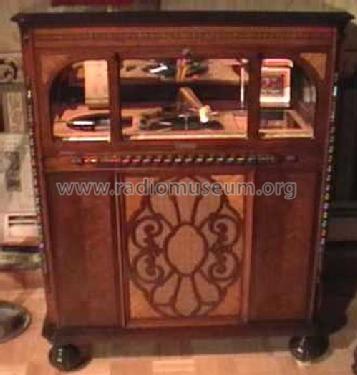
Capehart Orchestrope This machine was slick.
[Invalid or Expired Link Removed]

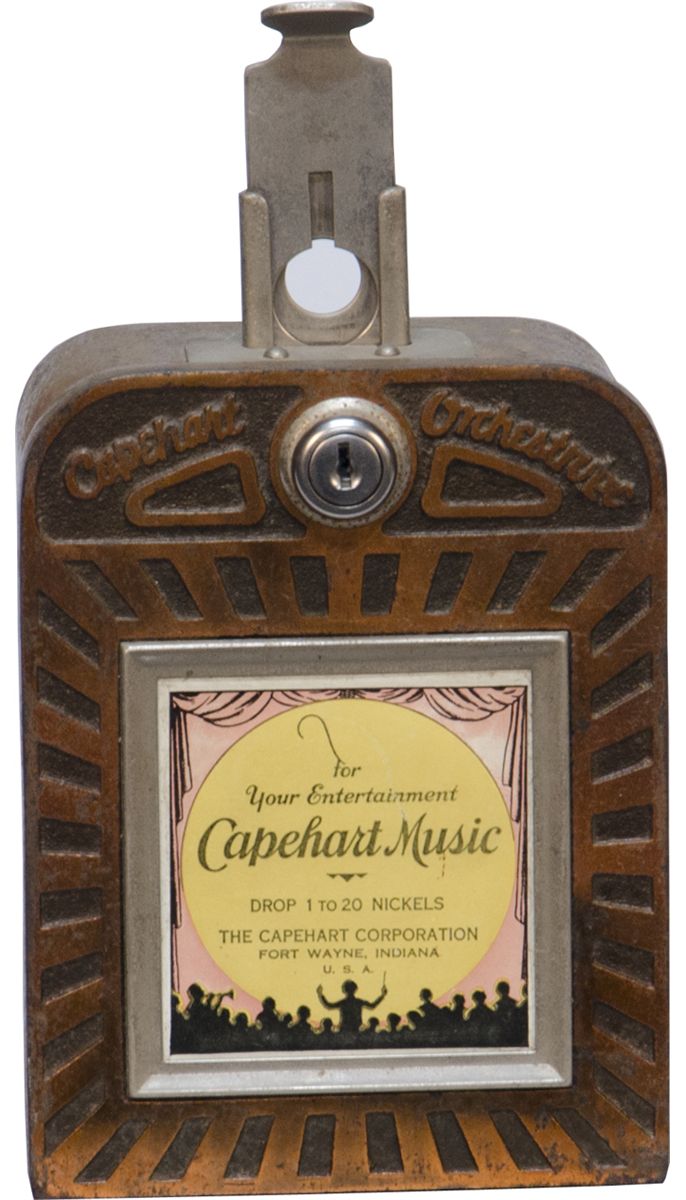
[Invalid or Expired Link Removed]
you know I just thought about something my Dad used to bring home from his friends old Italian deli. Potato, Peppers and Eggs on an Italian roll haven't seen that on a menu in a while in my area.good stuff
you know I just thought about something my Dad used to bring home from his friends old Italian deli. Potato, Peppers and Eggs on an Italian roll haven't seen that on a menu in a while in my area.good stuff
My grandmother used to make potatoes, scrambled eggs, and onions. She also made scrambled eggs and noodles and I still make that.

Do kids use cardboard to slide down dry grassy hills anymore?
At the Little League World Series they do!
Kids are still kids, they just have more options and require more guidance.
Yeah I am sure my grandmother made this for my Dad if he hunted it out as an adult. I haven't personally seen it on any menu in years. I know make my own but it won't be the same I'm sure.My grandmother used to make potatoes, scrambled eggs, and onions. She also made scrambled eggs and noodles and I still make that.
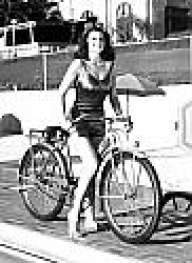

Link Removed
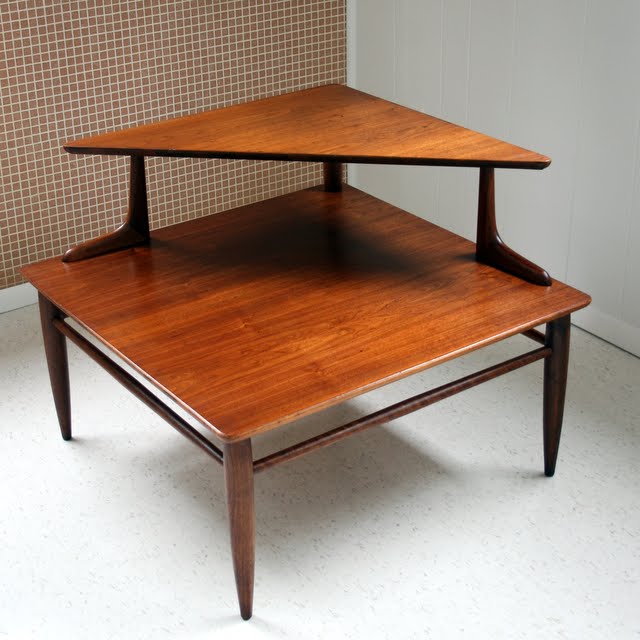

MCM furniture is still extremely popular. We have like 4 or 5 stores in town dedicated to it.
Lum's
This chain of hot dog stands was founded in Miami Beach in 1956 by the Pearlman family, and at its peak there were more than 400 locations nationwide. The South Florida fixture, whose trademark was hot dogs steamed in beer, was so successful, in fact, that the company went public and bought Caesars Palace in Las Vegas in 1969. The chain was purchased by Wienerwald in 1978, but overextended itself and filed for bankruptcy a few years later. Today there’s only one Lum’s left, in Bellevue, Neb.

What good is a toy if there's no danger of putting out an eye while playing with it?

