I've worn out several over the course of the last 30 years of using them. They usually fail if you overheat them from doing work beyond for which they are capable and are also susceptible to front bearing housing failure from the same type of demands.
They have their uses, such as routing inlay cavities and such. The only thing that makes them usable for that purpose is a GOOD aftermarket router base like the StuMac version.
For inlay work I use the solid carbide 1/8" and 3/32" bits as sold by StuMac and the Dremel 1/4" carbide tipped router bit for actual light duty routing. The "router bits" that folks say "wear out" are actually rotary burrs and are not made for routing work. If you are using a proper router bit such as these I do not advise that you ise them without a router base. Using the tool with an actual router bit is very dangerous if you want to hold them by hand. (That's actually what the rotary burrs are made for, but they wear out quickly and tend to burn your work instead of actually shaping it.)
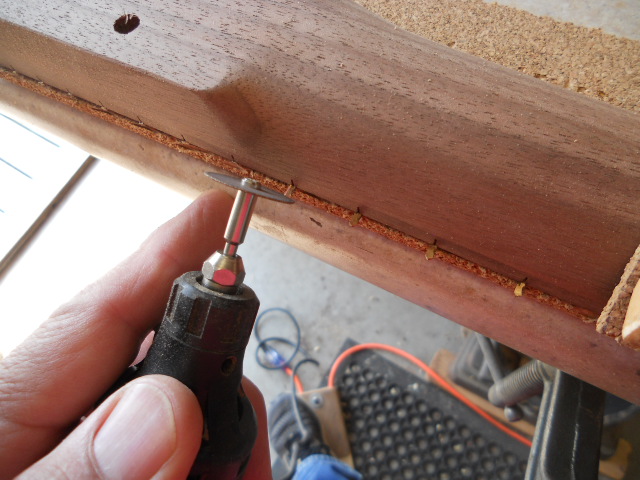
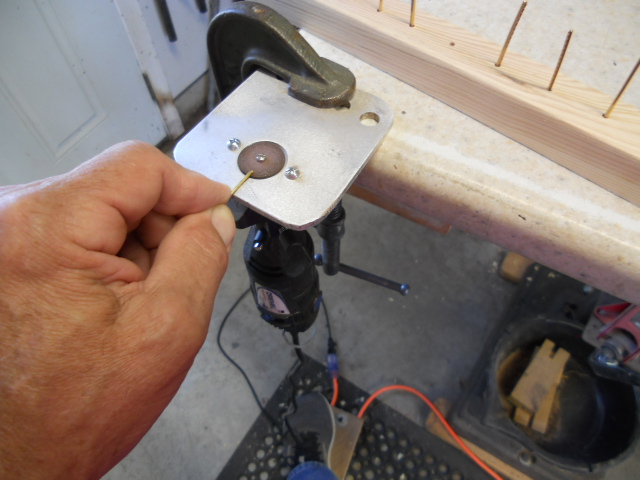
Outside of inlay pocket routing I use mine most often with the cutoff arbor and thin disks for tasks such as trimming off fret ends and trimming fret tangs with the tool held in a proper jig.
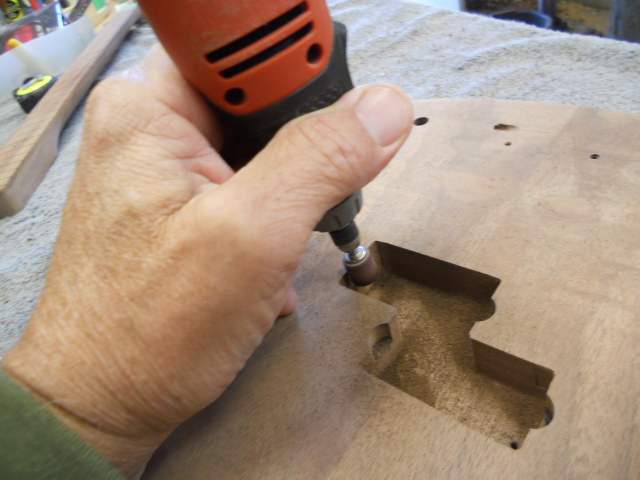
I also have a Black and Decker RTX version that's next to the bench and always fitted with a 80 grit 1/2" sanding drum. That gets used a bunch for all kinds of light sanding and contouring, such as shaping the small curves around a neck volute. That's so useful that I buy the 80 grit 1/2" drums in bulk off the internet.
Hopefully that helps you make a decision. The Dremel brand is overpriced for what it is, but they are available pretty much everywhere. The B&D RTX is a better value if you can find them.