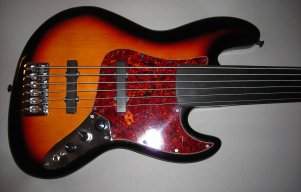
Some of the best sounding basses didnt
I didn't say ALL...just some.


TalkBass has been independent since 1998. Add your voice.
Create a free account to reply to discussions, view embedded media, and browse with fewer display ads.
Join free Log in
Want zero display ads or expanded classifieds tools? Compare plans.
Some of the best sounding basses didnt
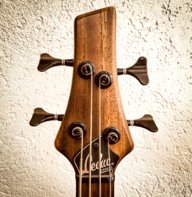
The simple answer is Leo knew that adding shiny bits of metal to guitars makes em damn sexy.

First time i saw them on a bass was when i saw this pic in a book just after i got my first bass.
Link Removed


I have that exact poster in my room




Some of the best sounding basses didnt



I have that exact poster in my room
The first pickup for an electric guitar or bass was the Rickenbacker horseshoe pickup. The covers or shoes were actually magnetized steel and an integral part of the pickup. This original pickup was designed in the 1930s I think. It was used on guitars, steel guitars, and basses. Rickenbacker switched to the high gain pickup about november 1968.
The modern day pickup covers can shield the pickup underneath from electric interference. Some manufacturers claim the steel pickup covers change the sound by containing the magnetic field. Most of us find covers to be in the way and remove them.


This is exactly correct. The Rickenbacker "cover" is actually not a cover at all but part of the magnetic structure. It is there to shape the magnetic field. (it does affect the tone). The Fender-style covers are for looks and to a degree to shield the pickups from interference. (if the covers are grounded). They DO NOT work like the Rick structures even when made out of steel because the metal is not thick enough to really modify the magnetic fields.
A pickup cavity can be shielded on the bottom and sides with paint or foil, but the top of the pickup is always open and thus can pick up noise. The covers can reduce that effect providing a shield over the top where the pickup has no shielding. And they also look very cool.
Personally I leave the Bridge "ash tray" on for looks (does next to nothing reducing noise) and I take the strap cover off over the neck pickup because it just plain gets in the way. If you change strings a lot, then the bridge cover gets in the way as you have to remove it to change them.

The simple answer is Leo knew that adding shiny bits of metal to guitars makes em damn sexy.

Don't tell it to Lloyd Loar, he'd get angry.The first pickup for an electric guitar or bass was the Rickenbacker horseshoe pickup.