

Enjoy the benefits of a premium membership!
Upgrade Account
-
TalkBass has been independent since 1998. Add your voice.
Create a free account to reply to discussions, view embedded media, and browse with fewer display ads.
Join free Log in
Want zero display ads or expanded classifieds tools? Compare plans.
You are using an out of date browser. It may not display this or other websites correctly.
You should upgrade or use an alternative browser.
You should upgrade or use an alternative browser.
What Are Your Reasons For Not Singing While Playing?
- Thread starter mrjim123
- Start date
-
- Tags
- singing and playing
More options
Who Replied?
Sometimes the singers are so all over the place that any additional vocals are a negative. I have been to a few gigs where the person running sound said, "I don't have any extra line for you vocals. Is that OK?" And I say, "Yes, why it is no problem at all."
Times that I prefer to sing backups etc are usually because the song is easy enough that it gives me something eles to try out to enhance the sound.
Times that I prefer to sing backups etc are usually because the song is easy enough that it gives me something eles to try out to enhance the sound.
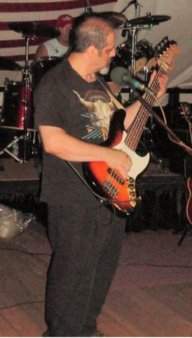
Two of the guys sing pretty well (one really well), and they LIKE to sing.
Now they both have harmonizers, used very occasionally and tastefully, typically to add a very-high part I couldn't do anyways,
so 'cept for a couple leads, I'm free from the mic...
which I kinda enjoy, as I can go wander a bit.
Now they both have harmonizers, used very occasionally and tastefully, typically to add a very-high part I couldn't do anyways,
so 'cept for a couple leads, I'm free from the mic...
which I kinda enjoy, as I can go wander a bit.
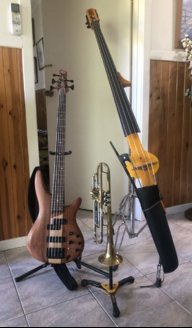
I had to be the singer in a band a few years ago despite having a poor voice and as so many people have said, I had to change a lot of bass lines to fit in doing two things at once. However, working out how to do both forces me to really think about what was important to the bass line and that made me a better player. That said, as soon as I didn’t have to I stopped.
I have just been invited to join a new band which will involve 3 part harmonies and to be honest I’m really quite excited with the prospect of going in that direction. It’ll require my EUB too and like my voice my fingers are woefully unprepared.
I have just been invited to join a new band which will involve 3 part harmonies and to be honest I’m really quite excited with the prospect of going in that direction. It’ll require my EUB too and like my voice my fingers are woefully unprepared.

I regard the voice as the first instrument. I’ve always done harmonies even with syncopated bass lines. Sometimes I have to work at it and sometimes it’s just too hard - one part or the other can suffer from the struggle so one has to go and that’s always the backup vocal.
Personally I wish more musicians would sing backups. There was a time that ‘serious’ musicians (read aspiring jazz musicians) here in Australia, regarded singers with condescension - as not real musicians. To them I would say put down your instrument and make music beautiful without it. Singers do that without a mechanical device.
I don’t do lead vocals but I’ll always do harmonies. If I could never play an instrument again, I’d be ok as long as I could sing with other people. It’s my favourite thing in music.
Personally I wish more musicians would sing backups. There was a time that ‘serious’ musicians (read aspiring jazz musicians) here in Australia, regarded singers with condescension - as not real musicians. To them I would say put down your instrument and make music beautiful without it. Singers do that without a mechanical device.
I don’t do lead vocals but I’ll always do harmonies. If I could never play an instrument again, I’d be ok as long as I could sing with other people. It’s my favourite thing in music.
Last edited:
I can sing a bit, but I'm not great. I've taken lead maybe three or four times in my life (57, started around 13-14). That said, I have done a lot of backing vocals/harmonies. I'm not great at that either.
So, if I can get away with not singing, I will.
Playing and singing at the same time doesn't bother me.
So, if I can get away with not singing, I will.
Playing and singing at the same time doesn't bother me.
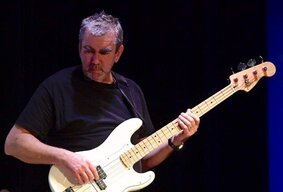
I used to do some singing while playing bass in different rock bands in the 1970's, then I retired from gigging for 28 years. When I returned to gigging in 2008 I made a decision to do no singing, and I've had no problem finding jobs in bands that already have enough vocal firepower. My reasons for not singing are:
1. I consider myself to be a better bassist than singer, and I choose to not dilute my brand by singing.
2. I find some songs difficult to play and sing simultaneously, and I'm not about to dumb down my playing just so I can sing.
3. I don't have to tote a mic stand.
I know that good vocals are hard to come by, but, honestly, I hear a lot of instrumentalists who also sing who I wish would simply stop singing, even if it means that the band does more instrumentals.
So, if you play but don't sing, what is your reason for doing so?
Your reasons and mine are the same!
When I was in my 20s, I was a genuine jazz geek musician. A "muso" who wanted to be one of "the cats." Would you ever see Ron Carter or Eddie Gomez singing? No, because they completely earned their positions by playing bass. Asking them to sing would be an insult. That's the crowd I saw myself belonging to (in orientation, not talent level).
Then I started to notice simple, solid country and folk bassists getting lots of good gigs because they were real singers.
For a lot of my playing years, I've worked with *really* good singers ("recording artists") who would call on me to sing harmony, or sometimes just say, "Ok, I want everyone to join in on this!" These were clearly people who had been singing since they were joyously running around the house as toddlers, using a hairbrush as a microphone. They weren't dour, introverted perfectionists like me.
A well-known singer-songwriter once told the leader of a band I was in, "Don't make your bass player sing [background vocals]."
But finally, I decided to stop running away from it and meet the challenge. The first time I sang lead on a couple of blues tunes at an open mic, I was scared to death. I was terrified. But it does get easier the more you do it. I wouldn't say that I'm a good lead singer, but I do stay on pitch, and I'm slowly getting better at "selling" songs and actually injecting some personality and emotion. In my current covers/originals band, I usually sing lead on only three or four songs per night.
My tips for brave beginners:
1) For each song you want to attempt, find a good key for your range.
2) Find songs which have bass parts which can easily work on autopilot, because you *are* going to be using 90% of your consciousness on singing. It's actually kind of exhilarating to be totally caught up in the singing, hear "someone" backing you on bass, and realize that the someone is you! Let go of the "but... as the bassist, I'm the captain of this ship" self image. You're going to have to trust the others not to let everything fall apart.
3) Stand up straight and keep your lungs filled with air.
4) I like to use earplugs to protect my hearing, but they also help you hear the notes you are singing (like putting your fingers in your ears). This *really* got me past the worry of getting close to the mic, opening my mouth, and having some awful, off-key stuff come out. You can hum your first notes off-mic, to get situated, and actually hear them. It's like a little trick which gives you an edge. It also helps when the front people are hogging the monitors.
If you're lucky (sort of) to be in a band with average singers, you won't be afraid of bringing down the level of the entire project when you sing. They might even encourage you through the embarrassing stages.
If you are contemplating taking the plunge, good luck! It can be fun, and you might get more work!
Then I started to notice simple, solid country and folk bassists getting lots of good gigs because they were real singers.
For a lot of my playing years, I've worked with *really* good singers ("recording artists") who would call on me to sing harmony, or sometimes just say, "Ok, I want everyone to join in on this!" These were clearly people who had been singing since they were joyously running around the house as toddlers, using a hairbrush as a microphone. They weren't dour, introverted perfectionists like me.
A well-known singer-songwriter once told the leader of a band I was in, "Don't make your bass player sing [background vocals]."
But finally, I decided to stop running away from it and meet the challenge. The first time I sang lead on a couple of blues tunes at an open mic, I was scared to death. I was terrified. But it does get easier the more you do it. I wouldn't say that I'm a good lead singer, but I do stay on pitch, and I'm slowly getting better at "selling" songs and actually injecting some personality and emotion. In my current covers/originals band, I usually sing lead on only three or four songs per night.
My tips for brave beginners:
1) For each song you want to attempt, find a good key for your range.
2) Find songs which have bass parts which can easily work on autopilot, because you *are* going to be using 90% of your consciousness on singing. It's actually kind of exhilarating to be totally caught up in the singing, hear "someone" backing you on bass, and realize that the someone is you! Let go of the "but... as the bassist, I'm the captain of this ship" self image. You're going to have to trust the others not to let everything fall apart.
3) Stand up straight and keep your lungs filled with air.
4) I like to use earplugs to protect my hearing, but they also help you hear the notes you are singing (like putting your fingers in your ears). This *really* got me past the worry of getting close to the mic, opening my mouth, and having some awful, off-key stuff come out. You can hum your first notes off-mic, to get situated, and actually hear them. It's like a little trick which gives you an edge. It also helps when the front people are hogging the monitors.
If you're lucky (sort of) to be in a band with average singers, you won't be afraid of bringing down the level of the entire project when you sing. They might even encourage you through the embarrassing stages.
If you are contemplating taking the plunge, good luck! It can be fun, and you might get more work!
Last edited:

I couldn't be happier with the vocals in my current band - three ladies that can SING and a guitar player who also sings. I'm happy to just play. It was a black tie event, hence the formal attire.
(135) You Shook Me - YouTube
(135) Waiting For The Bus -Jesus Just Left Chicago - YouTube
(135) You Shook Me - YouTube
(135) Waiting For The Bus -Jesus Just Left Chicago - YouTube
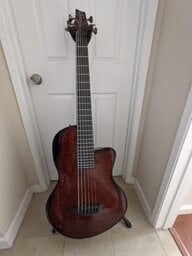
So Anyway, I played in a church band for about 15 years. We had plenty of singers who had studied voice and harmony. They sure didn't need to hear me sing.
I was reading some pretty complicated charts, so all my attention was on playing.
I was reading some pretty complicated charts, so all my attention was on playing.


