
Enjoy the benefits of a premium membership!
Upgrade Account
-
TalkBass has been independent since 1998. Add your voice.
Create a free account to reply to discussions, view embedded media, and browse with fewer display ads.
Join free Log in
Want zero display ads or expanded classifieds tools? Compare plans.
You are using an out of date browser. It may not display this or other websites correctly.
You should upgrade or use an alternative browser.
You should upgrade or use an alternative browser.
What bass lesson or tip changed your life.
- Thread starter IamGroot
- Start date
More options
Who Replied?
This is the real message that all of us need to hear.Bands aren't looking for the greatest musicians. They're looking for people who can do the job, are easy to get along with, and who they never have to worry or think about.
I will contribute a tiny other thing though. At age 19, I learned to play walking basslines. I sounded totally square. The jazz combo director, who was actually a drummer, leaned over and said "approach the root by half step, not whole step."
Although it doesn't work 100% of the time, it was a great one-liner and stuck with me 30 years later.


Definitely the Gary Willis right hand approach & his advice on playing with a really light touch- how that gives you a bigger dynamic range- really changed my playing & my technique forever.Too many to count, but looking at the right hand technique of Gary Willis has had a lasting impression on me.
And not so much a tip or a lesson, but the need to learn how to sightread music has propelled my playing and understanding of music in ways I couldn't possibly imagine beforehand.

Easy.
1. Don't practice bad habits.
2. Don't practice the same stuff over and over
1. Don't practice bad habits.
2. Don't practice the same stuff over and over

I worked a horticulture job with Leslie Langston the year or 2 after she left Throwing Muses. One day she visited my apt and she played my bass for a few minutes, showed me some lines... The way she just lay'd the beat down changed my playing forever. Her story about the financial stresses of the band, which sold some units in it's day, world tours etc.,... moderated my expectations too. She's playing her new fancy bass here
I was in a big band and we had a guest conductor who was a viola principal in The BSO. That guy heard everything.
I was in a big band and we had a guest conductor who was a viola principal in The BSO. That guy heard everything.
Last edited:
"If you ever want to do what you want to do in a band, start singing and become the lead vocalist" - popular local musician to me when I was still in my teens
In this context, to be in a great band, you must BE a great band member. Chops is only part of that.
I love this!
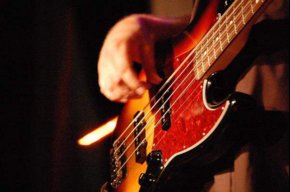
Practice doesn't make perfect. Perfect practice makes perfect.
Alternately,
Practice doesn't make perfect. Practice makes habit.
Figure out your own balance between perfect and progress, and the sky is the limit.
Alternately,
Practice doesn't make perfect. Practice makes habit.
Figure out your own balance between perfect and progress, and the sky is the limit.
"Start playing with other people as soon as possible." This was the advice I got from a friend (a great guitar player) when I was first starting out. I did, and within a few months I was in my first "hobby" band and learning much more and much faster than I ever could practicing alone.
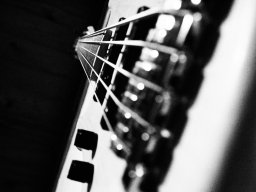
Ed Friedland's book Building Walking Bass Lines got me on the track to play jazz. I had always found jazz very intimidating before but this book made it possible.
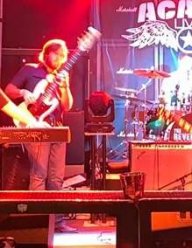
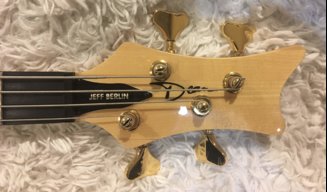
My best lesson was while I was studying with Jeff Berlin at the Players School of Music. Jeff wrote out a nice little bebop line, 8 measures or so. His instructions were "go to the practice room and don't come back until you can play it in all 12 keys." It was a tough line, and I spent the better part of 5 hours in the practice room learning it in all 12 keys because I didn't want to show up the next day for my lesson and have him tell me to leave because I was unprepared. This forced me to tap into a level of discipline I had not known before, and it also introduced a level of accountability I'd never experienced. You don't pay several thousand dollars for tuition, travel, hotel, etc., and then show up unprepared for Jeff Berlin . . . you just don't! This transformed my playing!
I went to one of victor wooten's bass nature weekends. We all chuckle when vic says there are no wrong notes...well, he's right.
There are no.wrong notes, some may be a bit sour but the resolution is one fret away in either direction.
The big take away I got was that I should do me even if that isnt what the steroetype is for a bassist. Forge your own path do whats right for you...or dont if thats more you.
There are no.wrong notes, some may be a bit sour but the resolution is one fret away in either direction.
The big take away I got was that I should do me even if that isnt what the steroetype is for a bassist. Forge your own path do whats right for you...or dont if thats more you.
I have a long music background in other instruments and theory, but what helped me the most playing bass was watching a video by Billy Sheehan.........and listening to the way he described building strength in your fingers. Really working them hard, getting real independance with your fretting hand. Breaking down your playing into really small movements that you work over and over.
It's easily misunderstood as playing with a hard touch. It's not that, it's about a time in your practice that is more like a workout. Opened up possibilities that I didn't know about.
It's easily misunderstood as playing with a hard touch. It's not that, it's about a time in your practice that is more like a workout. Opened up possibilities that I didn't know about.
Setting my EQ (more or less) flat.
14 year old me thought that a BASS guitar needed the BASS knob cranked. Once I learned to go easy on the EQ, the sound in my head started coming out of my amp.
Also along those lines - Learning the difference between a "bedroom" sound and a "live" sound. These days, one of the first indicators I have that another musician isn't up to snuff is if he/she insists on not eq'ing for the room/situation.
14 year old me thought that a BASS guitar needed the BASS knob cranked. Once I learned to go easy on the EQ, the sound in my head started coming out of my amp.
Also along those lines - Learning the difference between a "bedroom" sound and a "live" sound. These days, one of the first indicators I have that another musician isn't up to snuff is if he/she insists on not eq'ing for the room/situation.

About 10 years ago, I was hired by a band of ex-professionals who were operating a funky bluesy cover band, including a drummer who'd worked several years for Bo Diddley. (The guitarist had backed up B.B. King; the keyboardist had played with Steve Morse, etc.) Within two weeks after passing the audition, I was out gigging with them. As the guy in the band who did not have a heavy resumé, I was kinda hoping for some feedback on how I was doing, but nobody said anything. Finally, at rehearsal one night, I couldn't stand it any more. I got up my courage and said "Everybody cool with what I'm doing?" Silence for a few seconds. Felt like an eternity! Then the drummer looked up at me from his kit and said "Just keep doing that boom-boom-boom." I've been scrupulously following his advice ever since.
If you date the lead vocal, and then fire her... she won't go out with you again.
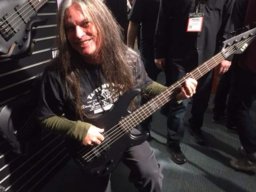
"Bands aren't looking for the greatest musicians. They're looking for people who can do the job, are easy to get along with, and who they never have to worry or think about."
This is great advice. Also, I learned that "The audience does not care how good you are, just that you don't suck. If you make the people watching you smile, then you have accomplished your goal. They don't care about how busy or talented you are. They want to dance and have fun."
This is great advice. Also, I learned that "The audience does not care how good you are, just that you don't suck. If you make the people watching you smile, then you have accomplished your goal. They don't care about how busy or talented you are. They want to dance and have fun."
I purchased a Steve Bailey practice video back in the 90s after switching from guitar to bass.
I couldn’t play fingerstyle at all, and he recommended practicing right hand patterns while in the car, using the seam of the car seat, to memorize the patterns.
Well, it worked like a charm. A few long car trips later, and all of a sudden (well 12 hours or so of a sudden) and I had a decent ability to play fingerstyle bass, where previously I had none. It was a game changing little tip for me!
I couldn’t play fingerstyle at all, and he recommended practicing right hand patterns while in the car, using the seam of the car seat, to memorize the patterns.
Well, it worked like a charm. A few long car trips later, and all of a sudden (well 12 hours or so of a sudden) and I had a decent ability to play fingerstyle bass, where previously I had none. It was a game changing little tip for me!
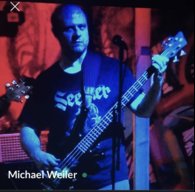
Oddly enough, how/where to hang/wear my bass. To put it in a comfortable position that you can keep consistent standing or sitting. Sometimes it's the little things that make the biggest impact.


