I'm in the Lithium (non rechargeable) camp!
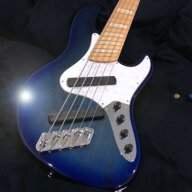
All my active basses (& smoke detectors) - Energizer's seem to be the easiest to find recently & the cost has come down somewhat as well.
They have a few benefits over alkaline:
last longer (maybe about 20%)
more consistent power output
nominally lighter in weight
internal short circuit protection (although they might get pretty hot before it kicks in)
work in lower/higher temps (not too critical in musical instrument applications)
a few drawbacks
More Expensive
When the power level does drop it happens quickly & they're done (measuring the voltage at any time during it's life will not indicate the remaining battery life)
dimensionally larger than alkaline - sometimes a tight squeeze
Here's an OLD link.... I started using Lithiums when I found one of these (POWER BUG) in a pre-owned bass that I purchased way back around 2009...
Review: PowerBug Lithium 9 Volt Battery
POWERBUG's weren't around too long, but I continued to buy ULTRALIFE 9V & now mostly Energizer
PS - disregard any of the article's hype - but they do last longer & I like em...
All my active basses (& smoke detectors) - Energizer's seem to be the easiest to find recently & the cost has come down somewhat as well.
They have a few benefits over alkaline:
last longer (maybe about 20%)
more consistent power output
nominally lighter in weight
internal short circuit protection (although they might get pretty hot before it kicks in)
work in lower/higher temps (not too critical in musical instrument applications)
a few drawbacks
More Expensive
When the power level does drop it happens quickly & they're done (measuring the voltage at any time during it's life will not indicate the remaining battery life)
dimensionally larger than alkaline - sometimes a tight squeeze
Here's an OLD link.... I started using Lithiums when I found one of these (POWER BUG) in a pre-owned bass that I purchased way back around 2009...
Review: PowerBug Lithium 9 Volt Battery
POWERBUG's weren't around too long, but I continued to buy ULTRALIFE 9V & now mostly Energizer
PS - disregard any of the article's hype - but they do last longer & I like em...