
Enjoy the benefits of a premium membership!
Upgrade Account
-
TalkBass has been independent since 1998. Add your voice.
Create a free account to reply to discussions, view embedded media, and browse with fewer display ads.
Join free Log in
Want zero display ads or expanded classifieds tools? Compare plans.
You are using an out of date browser. It may not display this or other websites correctly.
You should upgrade or use an alternative browser.
You should upgrade or use an alternative browser.
More options
Who Replied?
If a banjo accidentally falls down the stairs and no one is there, does it still play Yankee Doodle Dandy until it lands at the bottom?
If you forgot to unmute your amp and played for half the song before turning the mute off, would anybody notice.
If tone is in the fingers, can Vulcans finger meld and instantly become great players after melding with a pro?
View attachment 3410735 View attachment 3410736
I think we're getting closer to a definitive answer here.

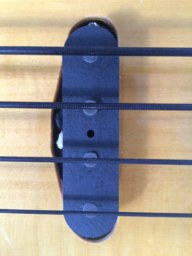
I put Pickups, strings, and overall quality of build.
Sorry "tone is in your fingers" people. You are wrong. Your technique will never make a P sound like a J, or a fretted sound like a fretless.
Each player has a style but that is completely different from tone.
Sorry "tone is in your fingers" people. You are wrong. Your technique will never make a P sound like a J, or a fretted sound like a fretless.
Each player has a style but that is completely different from tone.





But I would know it was Jaco, instantly.I would have voted pickup location. Give Jaco a Precision and you don’t get Jaco tone.

Strings, pickups & player. Wasn't surprised to see those options leading the poll once I'd voted, either.
Yeah, I would have been very surprised to see a different result.

I first voted like almost everyone else (player, strings, pickups), but then realized how pointless this is and voted for weight, because it had the least votes 
It's really a system, a system of interacting components, and has to be considered as such. If any component fails, the sound will suffer (if there will be a sound at all).
It's really a system, a system of interacting components, and has to be considered as such. If any component fails, the sound will suffer (if there will be a sound at all).

Where Does Tone Come From?
Petaluma, baby. Home of Tone!

Petaluma, baby. Home of Tone!

I checked off strings, controls (because of the Passive vs Active part) and technique. Because that's all I know.
tone comes from neurons fired at the beholdence of a fine rear end,
and from the direction of moments,
tone is all around us, envelops us, resonates with us, and through us.
tone is sonic connectedness, auditory sacrament, and yet nothing more than the blowing of bubbles by monkey-alien-children on a planet with an atmosphere
tone enthralls us; it even terrorizes us
tone and the Way are closely related
I don't know it's name

and from the direction of moments,
tone is all around us, envelops us, resonates with us, and through us.
tone is sonic connectedness, auditory sacrament, and yet nothing more than the blowing of bubbles by monkey-alien-children on a planet with an atmosphere
tone enthralls us; it even terrorizes us
tone and the Way are closely related
I don't know it's name

Brillianttone comes from neurons fired at the beholdence of a fine rear end,
and from the direction of moments,
tone is all around us, envelops us, resonates with us, and through us.
tone is sonic connectedness, auditory sacrament, and yet nothing more than the blowing of bubbles by monkey-alien-children on a planet with an atmosphere
tone enthralls us; it even terrorizes us
tone and the Way are closely related
I don't know it's name

Lmao!If a banjo accidentally falls down the stairs and no one is there, does it still play Yankee Doodle Dandy until it lands at the bottom?
If you forgot to unmute your amp and played for half the song before turning the mute off, would anybody notice.
If tone is in the fingers, can Vulcans finger meld and instantly become great players after melding with a pro?
View attachment 3410735 View attachment 3410736

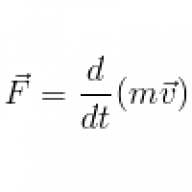

What about tone concrete?It has "tone" right in the name duh.
Nobody's ever heard of "tone strings". Case closed.


Totally not trying to be obtuse but please define “tone”?Please read this before making your poll choices:
First and foremost, this poll is to be 100% based on opinions. Let's not let facts get in the way of our fun.
The details: So, what do you believe are the top three contributors to a bass's overall tone? Sure, it could be hard, if not impossible to prioritize, but let's have a good time with it anyway. Let's assume that amplification, room acoustics, and any other factors outside of the instrument itself are to be considered outside of this exercise. Let's see how the poll unfolds....

Sorry "tone is in your fingers" people. You are wrong. Your technique will never make a P sound like a J, or a fretted sound like a fretless.
Each player has a style but that is completely different from tone.
Tone is my style.
Last edited:


