• TalkBass has been independent since 1998. Add your voice.
    Create a free account to reply to discussions, view embedded media, and browse with fewer display ads.
    Join freeLog in
    Want zero display ads or expanded classifieds tools? Compare plans.

Which Contoured Heel Design Out Do You Find Better

Hi guys,

I'm frustrated by the lack of upper fret access on my Warmoth (it has a jazz body) so I decided that I'm going to contour the neck heel.

However there seems to be (at least) 2 possibilities of how to contour the heel and I wanted to ask you which do you think would work better or if it would be smart to combine both of them.

#1 is what Fender does with their new models:
Fender-American-Elite-Jazz-Bass-V-Back-1000x667.jpg


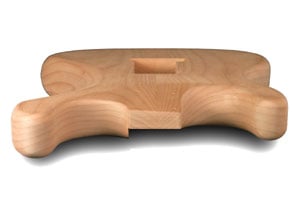
#2 would be the Warmoth:
contoured_heel2.jpg


Option #1 would require to either buy a new neck plate like this one
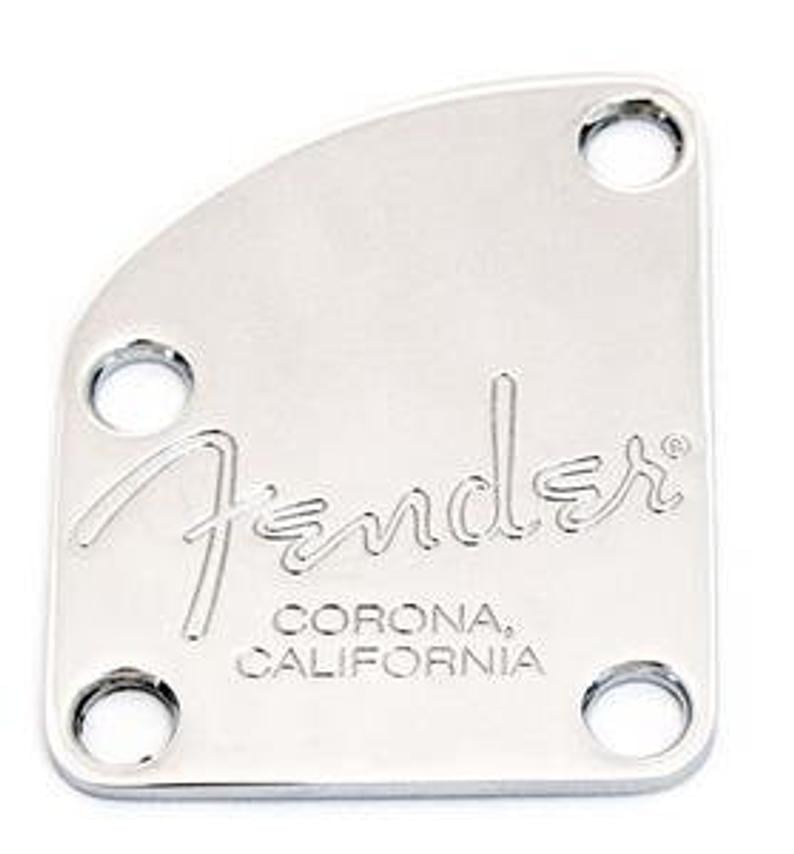
il_794xN.2017715651_kdgu.jpg
or cut the old one down to size and reshape the body like this guy here did (skip to 5:40 to see the result):


However I'm a bit considered about stability of the neck; does this still offer enough support? The Fender bass in my first photo seem to have a different neck plate which has 3 screws on top so maybe.

As for #2 I'm worried about the fact that the screw goes vertical but the top surface is not perpendicular to the direction of the screw. Could this be a problem, does one need special screws? I know they have to be shorter, but is this the only thing on should be careful about?

Would it be wise to combine both option? Cut the neck heel like in the video above and also reshape it like Warmoth does?
 
I would assume the Warmoth version uses normal screws and they somehow countersink or otherwise "index" into "something", whether that something be a plate or semi-countersunk holes in the body with ferrules of some sort. I haven't seen one finished, so just basing this off what I would do if I was designing it (keeping in mind I'm not an engineering major, just a guy who tends to fabricate things on his racecar). I'm not aware of the existance of any sort of screw with a tilted head, because how would you assure the tilt is at the same angle of the slope in the wood when the head spins as the screw goes in? My advice, don't over-complicate it, because I'm sure they didn't either.

Now, setting all that aside, given my choice of options on contouring this area, I like what Warmoth did better. Because in my mind (again, drawing on my fabricating experience with the racecar) what Fender did requires that third hole in the one "side" of that plate. Because they are trying to make up for stability lost in shortening the other side by adding the 5th screw. My experience also tell me that you'll probably find that the plate is actually longer than the old 4 hole plates too, to allow extra spacing between the added screw and the other 2, again for stability lost in shortening the other side. So I would think you will not be able to simply drill a 5th hole in your existing plate, you're gonna have to fabricate a whole new plate or buy a Fender plate and use that (which would be the easier option if you go this route).

Luckily, my playing skills are such that I never need that part of the neck anyways. So I have that going for me. :roflmao: :laugh: :roflmao:
 
  • Like
Reactions: doran.dragic
To expand on this a bit, the Warmoth website has the correct screws for that contoured heel -
Invalid Link Removed
I'd go that route and just find the right length screws, or spend $3 and order them straight from them. Looks like they did the work for you!

I also think that shape is better looking than what Fender did too, but that's just me.
 
  • Like
Reactions: doran.dragic
There are many ways to shape the back of the neck/body joint to make it smaller and more comfortable. Here's another one, from the ill-fated SWR bass project in 1994. We made the neck plate long and tilted the front down. The plate is 1/4" thick and recessed flush with the body. The screws (10-32 flat head machine screws) are perpendicular to the neck. The countersinks in the plate were drilled at the correct angle. This was a nice design, comfortable and strong and not too hard to build. Mike Lipe and I came up with it and worked it out.

IMG_6242B.jpg


If you are curious about the SWR bass project, I wrote a quick story about it here, page 85, starting at post #1699:

love of Ampeg and other Scroll Basses, Part 2
 
This has been an interesting challenge for me as well. My current builds use a rounded heel (rather than square) along with a deep lower horn cutaway and contoured thickness. It works but I'm still thinking of ways to improve it while still maintaining the aesthetic I'm looking for.

Here is a look at a single cut bolt on:
20191221_124633.jpg


Similar concept on some normal double cut bodies prior to paint:
20191125_131002.jpg


This is the earlier revision with a rounded heel but no sculpted cutaway
20190927_094005crop.jpg
 
Last edited:
Hi guys,

I'm frustrated by the lack of upper fret access on my Warmoth (it has a jazz body) so I decided that I'm going to contour the neck heel.

However there seems to be (at least) 2 possibilities of how to contour the heel and I wanted to ask you which do you think would work better or if it would be smart to combine both of them.

#1 is what Fender does with their new models:
View attachment 3637619

#2 would be the Warmoth:
View attachment 3637620

Option #1 would require to either buy a new neck plate like this oneView attachment 3637621 or cut the old one down to size and reshape the body like this guy here did (skip to 5:40 to see the result):


However I'm a bit considered about stability of the neck; does this still offer enough support? The Fender bass in my first photo seem to have a different neck plate which has 3 screws on top so maybe.

As for #2 I'm worried about the fact that the screw goes vertical but the top surface is not perpendicular to the direction of the screw. Could this be a problem, does one need special screws? I know they have to be shorter, but is this the only thing on should be careful about?

Would it be wise to combine both option? Cut the neck heel like in the video above and also reshape it like Warmoth does?

Fenders version has a stronger neck pocket. I’ve lost track of how many neck pocket cracks I’ve repaired on the angled/shaved/beveled style neck pockets, but those have almost all been basswood bodies of Ibanez guitars.

The shaved neck joint is a lot nicer feeling though. Just also gotta make sure to always use the right length screws so you don’t pop thru the fretboard in the shaved area of the pocket