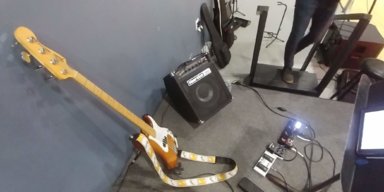
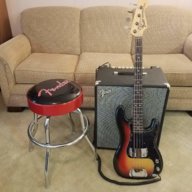
At the risk of hijacking the thread let me just say that these two objectives tend to be mutually exclusive in the typical live gig setting. The reality is the bass is always in competition with the drums, guitars, keys and other instruments for frequency bands. If you have your bass putting out sound that is taking up all the frequency bands from the ultra low through the mids and into the high end, then there isn't much room for anybody else. Unless your name is Les Claypool, this isn't going to sit well with your bandmates.
The way to get every instrument to "cut through the mix" and be heard clearly and cleanly as individual voices compromises need to be made. Usually this means that the kick drum get the lowest frequencies (40-60 Hz) while the electric bass gets the space just above it (70-140 Hz). This means the bass doesn't get the "huge boom" you might want but the overall band sound is a higher priority.
There are exceptions, depending on the music genre. Some types of jazz or reggae and even country in some cases, might give the electric bass a lot more low end and tone down the low end of the drums.
But the overall rule is: you can't get something for nothing. If you try to make every instrument sound as huge as possible, all by itself, then when they're all put together in the mix, the entire sound will turn to garbage.