Depends.

Necks: Stability FIRST. Maple is reliable, affordable, works well, and if you select it carefully and use it correctly it will be very stable. Purpleheart is heavy but VERY stable and strong, good for part of a neck to add stability. Wenge is similar to purpleheart, a bit harder to work with (splinters a LOT), but is beautiful when finished, and very stable. Sonically, maple has a quick, snappy response; purpleheart is a bit less dry/snappy, but similar to maple; and wenge is a bit midrangy/punchy sounding to my ear. Each is visually appealing in it's own way, in my opinion.
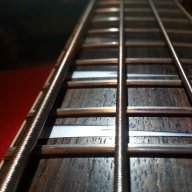
Fingerboards: Again, stability FIRST. Lots of good choices here, mainly they need to be strong enough to support fretting and not splinter or collapse, if fretless, take a lot of abuse from strings. They can affect tone noticeably, but typically on a fretted bass it's a smaller affect, fretless moreso. Funny that everyone thinks of ebony as being this impervious, never moves kind of wood - my experience is exactly the opposite, it's a PITA, shrinks and wobbles all over the place. My favorites are pau ferro, maple, purpleheart, and African tulipwood for fretted; diamondwood (aka pakkawood or phenowood) for fretless.
Body woods: Here, I start thinking about TONE and appearance a bit more (but stability is also a major concern). Again, lots of good choices, and YES, it DOES affect tone - of the wood choices you make this is the major component, in my experience. Primary choices here are:
Alder - works well; usually non-descript appearance, but takes finish nicely; sonically warm but neutral.
Swamp ash - bit more difficult to work with because of the strong graining and a lot of soft/hard areas right next to each other; I find it visually appealing, as it has CHARACTER; sonically it has a very good "punch" and a bit of edge.
Mahogany - nice to work with; can range from incredibly beautiful to non-descript; sonically warm but slightly compressed sounding to my ears.
Spanish cedar - easy to work with, but can be a bit "sappy" if it's not aged a bit; visually, like mahogany, can range between "oh wow" and "meh"; sonically also similar to mahogany, but less compressed sounding.
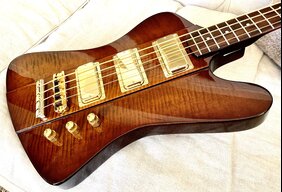
Tops: More appearance than anything else, can range from having literally no effect (i.e. Buckeye Burl) to being a bit overwhelming (i.e. Boxelder Burl), depending on the woods and application. Most tops are too thin to have any noticeable effect in my opinion, if they are less than 1/4". There are so many different tops that a discussion of any specific one is pointless.
As for the woods having an effect on tone argument, it's like religion, there are those that are convinced on all sides. I am only able to speak from my direct personal experience with literally hundreds of basses a year over the course of 6+ years with the identical electronics being played through the exact same amplifier, in the same room. I definitely HEAR a difference, and can pick out different body woods and fingerboards based on it. Yes, there can be significant variation between two basses with identical woods, however, you can draw a "circle" and say that it will be within that circle based on species of woods - it won't necessarily be the same POINT within that circle, but it WILL be within the circle.