DR recommends it for their round core strings. A hex core will kind of grip the windings with the edges of the hexagon and has less of a chance of the windings slipping up, round core does not have this ability. By kinking the string at 90 degrees, that locks the windings in place for the round cores.Is there any truth to the oft stated notion that one should make a 90 degree bend in the string just before the actual cut point? I have read that this can prevent an unintentional loosening of the wraps around the inner wire. That’s been my practice lately. I keep just enough string after the bend to go into the hole on the tuner from the post’s lowest point. Before I switched to this method I had noticed that individual strings would suddenly go dead from time to time.

Enjoy the benefits of a premium membership!
Upgrade Account
-
TalkBass has been independent since 1998. Add your voice.
Create a free account to reply to discussions, view embedded media, and browse with fewer display ads.
Join free Log in
Want zero display ads or expanded classifieds tools? Compare plans.
You are using an out of date browser. It may not display this or other websites correctly.
You should upgrade or use an alternative browser.
You should upgrade or use an alternative browser.
Why do folks cut strings?
- Thread starter anightintunisia
- Start date
More options
Who Replied?

I had to think about this.Too many windings will cause string slippage........
This is true.
If one is stacking windings,the outer winds will squeeze down in between the lower winds and slip.
Last edited:

Too many wraps on a tuner post will lessen how accurate the tuning will be.

Some of you guys must not spend much time in the classifieds section, specifically :^ )
For Sale: Parts, Strings, and Accessories
I see it but who actually buys someone else’s fingered up greasy oxidized strings?
Extra charge for chicken grease a la Jaco.I see it but who actually buys someone else’s fingered up greasy oxidized strings?
Too many wraps on a tuner post will lessen how accurate the tuning will be.
That's what I was thinking but said intonation.

i don't think it makes any difference except in the minds of those who peddle the practice as "must do" and then 'shame'/mock those who don't follow suit...
Last edited:

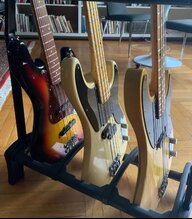
I get the idea of swapping strings with friends, but why does swapping the strings necessitate not cutting them? Assuming most people play 34” or 35” basses, I would think that any string that would fit would be swappable/sellable. Or do people specifically want uncut strings? I’m not familiar with using someone else’s used strings, so I’m not sure how the market works.Those La Bella silks came fresh out of a new package when I got that P bass and took that photo right after stringing it. Absolutely how it was from the factory.
As far as my Moollon, you may think it looks terrible, but the 15 thousand people I played for on that stage later that evening didn’t seem to mind. And neither do I.
And what band are you in that you get to play in front of 15,000 people?! That’s awesome. And a waaaay larger show than I’ve ever had!

Why do I trim my strings? It’s all part of my OCD. 
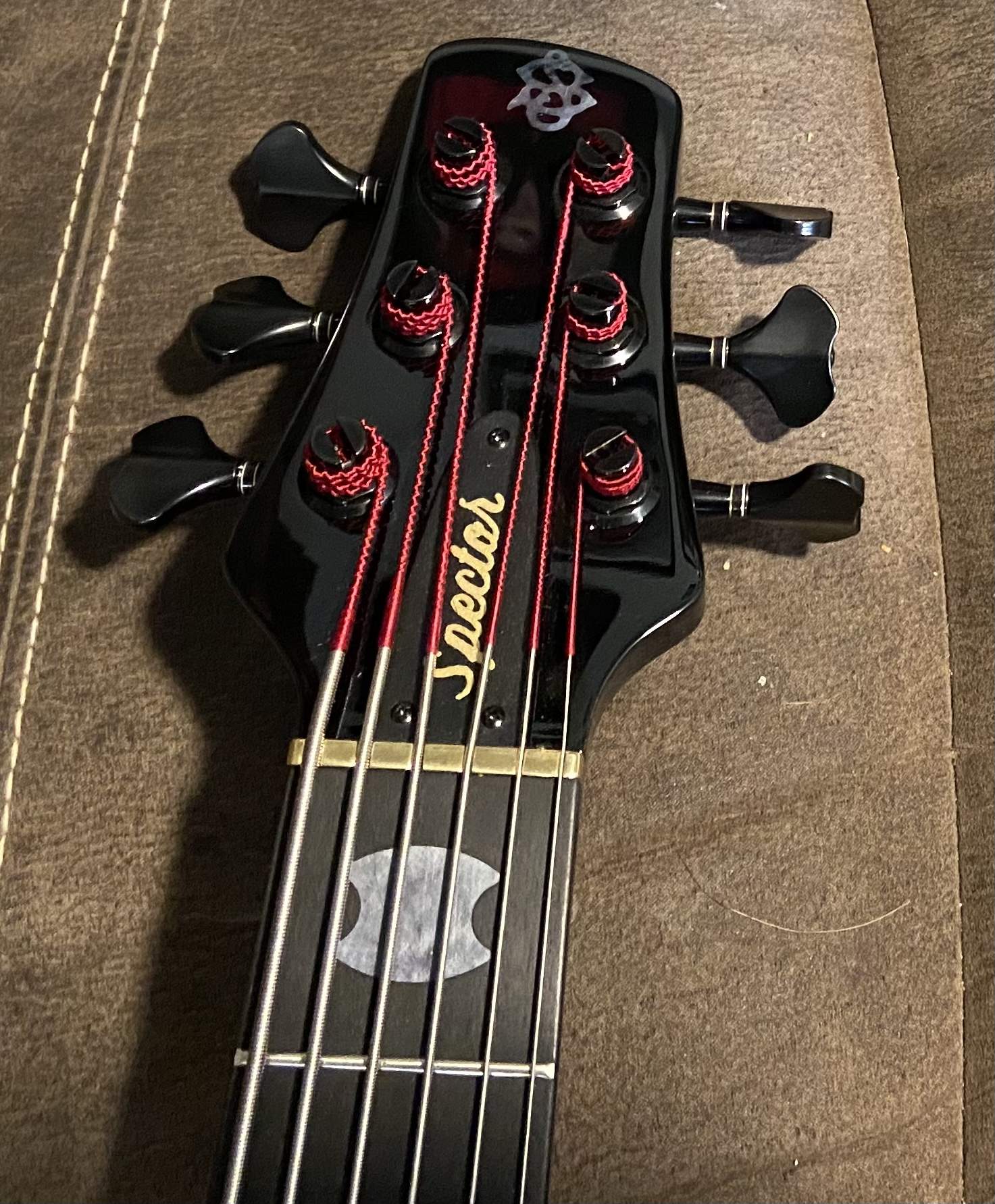

For me the perfect cut length seems to be the length of the combo string winder + cutter I own from the top of each post I'm about to use. That's enough for 3+ solid wraps with no overlaps, ever.
Edit: This Planet Waves string winder.
Edit: This Planet Waves string winder.

I think this is just another example of “whatever works for you” in your situation.
If time is “of the essence” and you’re “on the clock”, your priority is to minimize string change time – and fewer wraps leaves less chance of binding or slack that could cause some intonation issues when putting the bass into immediate service.
Or if you have a string endorsement deal / get free strings or can just afford to change your strings every gig…
Or maybe that’s just what you’ve always done, and it works for you.
These days, especially on a vintage style fender tuning post, I prefer as many wraps as possible – especially on the A & E. (non-overlapping of course)
If I have to cut, I trim as little as necessary, putting 180 degree bend in the string before I cut, and leaving about ½” double over and stick it down the hole. (never used to do that last part, and not possible on the “newer/hour glass” posts).
I’ve never had problems with intonation, but have always followed one rule; don’t change strings “day of show”. (if at all possible).
For years, back when I was gigging the most – I pretty much used one type of roundwound string and never had a problem when I did cut a string. But, I honestly don’t really don’t remember what I did back then. (other than boil strings frequently - another TB taboo). I just wasn’t much of a technician in those days, and we didn’t have TB to tell us what all the things we were doing wrong.
But about 6 years ago, I started experimenting with different strings, and currently have basses strung with probably 10 or more different kinds.
In that time, I’ve also had strings break and/or unravel, or just "DOA" , for the 1st time ever. So now, I’m skittish, and avoid cutting them, and when I have to, I’m careful about how I cut them.
If time is “of the essence” and you’re “on the clock”, your priority is to minimize string change time – and fewer wraps leaves less chance of binding or slack that could cause some intonation issues when putting the bass into immediate service.
Or if you have a string endorsement deal / get free strings or can just afford to change your strings every gig…
Or maybe that’s just what you’ve always done, and it works for you.
These days, especially on a vintage style fender tuning post, I prefer as many wraps as possible – especially on the A & E. (non-overlapping of course)
If I have to cut, I trim as little as necessary, putting 180 degree bend in the string before I cut, and leaving about ½” double over and stick it down the hole. (never used to do that last part, and not possible on the “newer/hour glass” posts).
I’ve never had problems with intonation, but have always followed one rule; don’t change strings “day of show”. (if at all possible).
For years, back when I was gigging the most – I pretty much used one type of roundwound string and never had a problem when I did cut a string. But, I honestly don’t really don’t remember what I did back then. (other than boil strings frequently - another TB taboo). I just wasn’t much of a technician in those days, and we didn’t have TB to tell us what all the things we were doing wrong.
But about 6 years ago, I started experimenting with different strings, and currently have basses strung with probably 10 or more different kinds.
In that time, I’ve also had strings break and/or unravel, or just "DOA" , for the 1st time ever. So now, I’m skittish, and avoid cutting them, and when I have to, I’m careful about how I cut them.


No sense in having more metal on a bass than is necessary.
How much metal onna bass is best for metal?
I had to think about this.
This is true.
If one is stacking windings,the outer winds will squeeze down in between the lower winds and slip.
View attachment 4711915
Do they slip forever or do they settle eventually?
Why do I trim my strings? It’s all part of my OCD.
With kindness my friend, OCD is different from being anal!

I see it but who actually buys someone else’s fingered up greasy oxidized strings?
ya got any medium gauge pressurewounds? maybe some ken smith compressors? asking for a friend

Does your house settle once and then never again?Do they slip forever or do they settle eventually?

Prove it!but the 15 thousand people I played for on that stage later that evening didn’t seem to mind

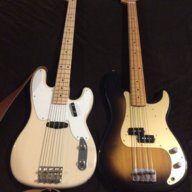
I always cut the strings. In fact I’ve had the winding starting to come back up the tuning post when I haven’t cut it short enough. I’ve never been hard up to the point of considering dealing with used strings either selling or buying.


