
What i've seen a lot of bassists do, while walking, or soloing, is stay withing the first few positions of the upright, and then go up the G string.
Why is that?
Why is that?

TalkBass has been independent since 1998. Add your voice.
Create a free account to reply to discussions, view embedded media, and browse with fewer display ads.
Join free Log in
Want zero display ads or expanded classifieds tools? Compare plans.
What i've seen a lot of bassists do, while walking, or soloing, is stay withing the first few positions of the upright, and then go up the G string.
Why is that?
What i've seen a lot of bassists do, while walking, or soloing, is stay withing the first few positions of the upright, and then go up the G string.
Why is that?


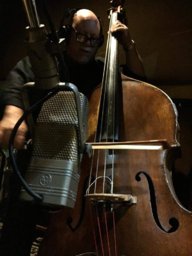
What i've seen a lot of bassists do, while walking, or soloing, is stay withing the first few positions of the upright, and then go up the G string.
Why is that?

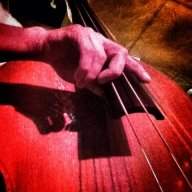
For me it's a sound thing....the same notes sound more clear playing up the G string than they do playing across the A and D strings.
So I hope that since you've started to ask "why not" you've already starting putting this mentality into practice.

There aren't entire orchestra sections playing up and down one string because it's a crutch. I realize this is the jazz forum so most of you are automatically thinking about pizz. The differences are greater when playing arco.
I say it's a crutch. Most of us first learn our 2/3 octave scales by playing them in the lowest positions and going up the G for the last octave or so. This is the easiest way for a beginner to add this range to their playing since they only have to work on new positions for one string, and while you're getting the hang of that you're not getting hung up on string crossings etc.


