

Enjoy the benefits of a premium membership!
Upgrade Account
-
TalkBass has been independent since 1998. Add your voice.
Create a free account to reply to discussions, view embedded media, and browse with fewer display ads.
Join free Log in
Want zero display ads or expanded classifieds tools? Compare plans.
You are using an out of date browser. It may not display this or other websites correctly.
You should upgrade or use an alternative browser.
You should upgrade or use an alternative browser.
Zero fret: what's the big deal?
- Thread starter Mahcks
- Start date
More options
Who Replied?
Would positioning and dressing a zero fret be any more difficult than any other fret?
Very simply, no...it is exactly the same as any other fret.


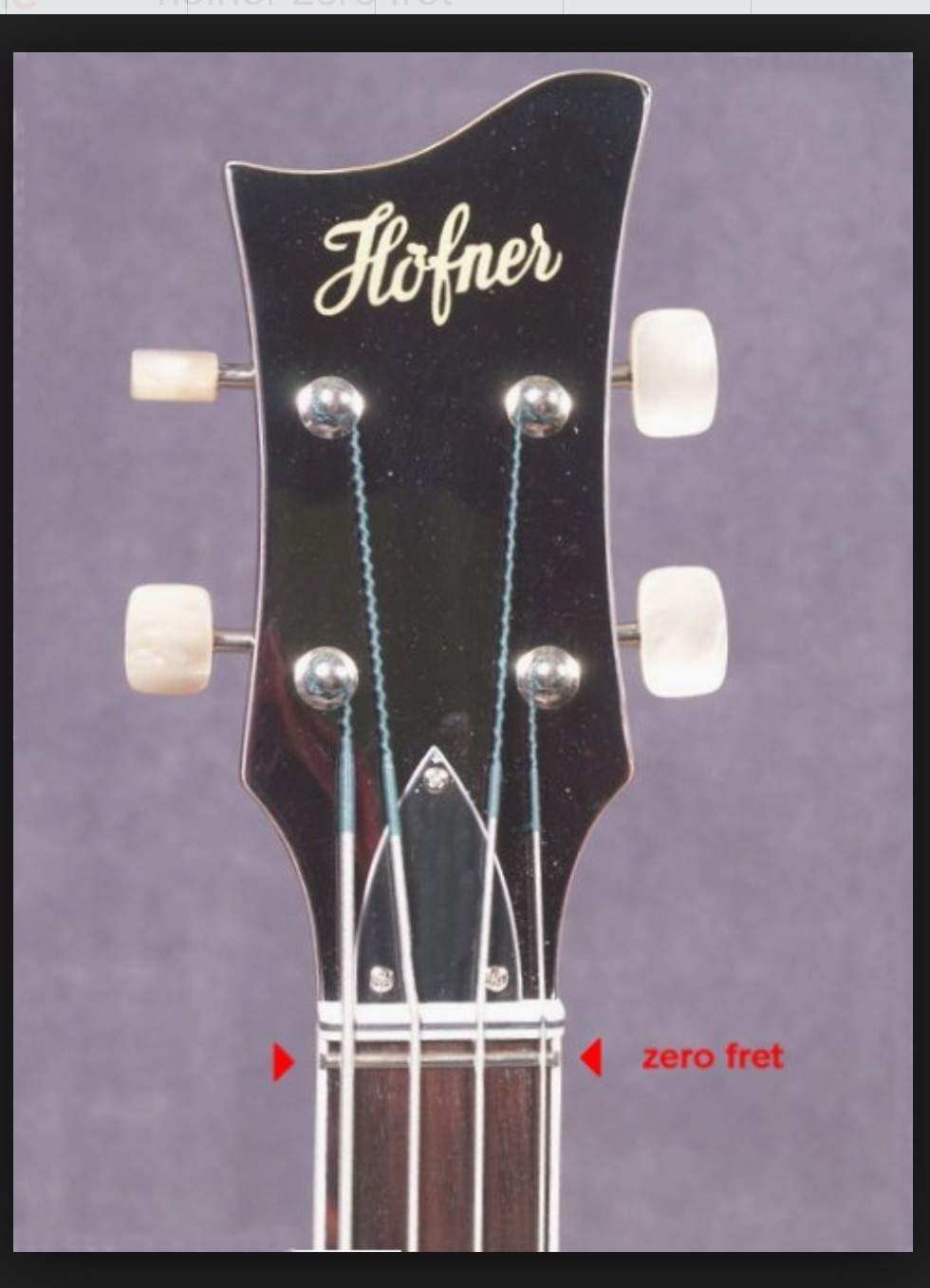
The zero fret makes open notes sound consistent with fretted notes, and eliminates the problem of a poorly cut nut. Unfortunately, they became associated with cheaper instruments during the 60s and most major American manufacturers avoided using them.

wmhill
Inactive
- Aug 20, 2012
- 4,054
- 17,210
- Disclosures
- MTD basses endorsed artist Bartolini pickups emerging artist TECAMP bass players gear endorsed
i have 4 of the MTD kingstons, and LOVE the zero fret on em!Are there any basses in production that use them?

If a manufacturer can't get a nut right what makes you think they'd get a zero fret right? And if they're wrong they're much more difficult to fix.
This is my thinking as well.


They make open strings on my Viola sound much more consistent with fretted notes. It's a noticeable difference to basses without a zero fret.

I think he was kidding. A zero fret on a fretless instrument has the potential to make open notes sound really out of place. Far worse than with a softer nut material.That really makes sense. Like most mid-grade fretless players, I use open strings for drones and reference tones and they LEAP out in the mix!!!
LISTEN TO ME I'M AN OPEN STRING!!!
Very simply, no...it is exactly the same as any other fret.
True to an extent and I asked Michael Tobias about this. His zero frets are actually ~0.010" taller than than the balance of the fretboard. That's before dressing, of course.
Riis

MTD also uses the zero fret for the buzz feiten (spelling?) tuning system. Fret is on a slight angle for better tuning. Or so I read.

My Hofner Club and Epi Viola both have zero frets, and to me there's a positive difference in both open string response and height relative to the first fret. And -- not sure how -- they're more comfortable to play.
Gretsch also used to install zero frets on all their guitars and basses, as did Mosrite.
Gretsch also used to install zero frets on all their guitars and basses, as did Mosrite.

I think he was kidding. A zero fret on a fretless instrument has the potential to make open notes sound really out of place. Far worse than with a softer nut material.
That also makes actual sense - vs. me thinking it makes sense without actually thinking....
I could, however, swear that I once played a 36" scale fretless Elrick with a zero fret. It sounded amazing.
Of course this was over ten years ago...
I need a snack

Yep. I use zero frets in all the fretted basses that I build, for the reasons mentioned above. They even out the tone between open and fretted notes, and it's a little easier to get the string height just right. I use a taller size fretwire for the zero fret, and then trim it down to 0.010" higher than the other frets. The reasons why it needs to be taller than the others have been argued out ad nauseum on some other threads.
On my fretless basses, I use an ebony "zero block". It's a block of cross-grain ebony that's also cut to 0.010" higher than the surface of the fingerboard. Same reasons.
Why don't the big manufacturers use zero frets? Because 1.) Leo didn't use them, so they can't be any good; 2.) It would cost more; and 3.) Most customers wouldn't notice the difference unless you pointed it out to them.
On my fretless basses, I use an ebony "zero block". It's a block of cross-grain ebony that's also cut to 0.010" higher than the surface of the fingerboard. Same reasons.
Why don't the big manufacturers use zero frets? Because 1.) Leo didn't use them, so they can't be any good; 2.) It would cost more; and 3.) Most customers wouldn't notice the difference unless you pointed it out to them.

My Hayman fretless has a zero fret, go figure?A zero fret makes the biggest impact on a fretless bass.
M. M.

Elrick.
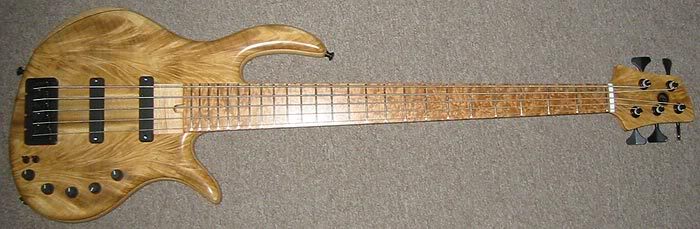
M. M.
I was a fretless 6 (lined) w a string thru ebony bridge, piezos, and a huge Bart in the sweet spot. Easily the mwah machine of all time

I assume it is not as common because if you need to readjust it, you most likely need to refret it and that would result in more deformation on the fretboard everytime you do it, whereas if you replace a regular nut, you don't deform the fretboard. That's being said, I understand the logic behind it and it makes sense to me.

Am I the only person who *uses* open notes explicitly because the do sound different? They can be used on purpose and actually add variety in the right places. I'm weird. So a zero fret eliminates some options from my perspective.
LISTEN TO ME I'M AN OPEN STRING!!!
This is the greatest thing I've read all day!

Yes, I was kidding about having a zero fret on a fretless. That was posted just before 9:00 AM and just after my third cup of coffee kicked in. Currently, my only bass with a zero fret is my MTD Kingston, as was mentioned by other folks. I really don't notice much if any sonic difference between that bass and my basses without the zero fret when comparing open notes versus fretted ones. 
M. M.
M. M.


