• TalkBass has been independent since 1998. Add your voice.
    Create a free account to reply to discussions, view embedded media, and browse with fewer display ads.
    Join freeLog in
    Want zero display ads or expanded classifieds tools? Compare plans.

1980's Crate CR-285B Bass Amplifier information thread

Feb 15, 2006
6,117
1
15,064
Troy, MO
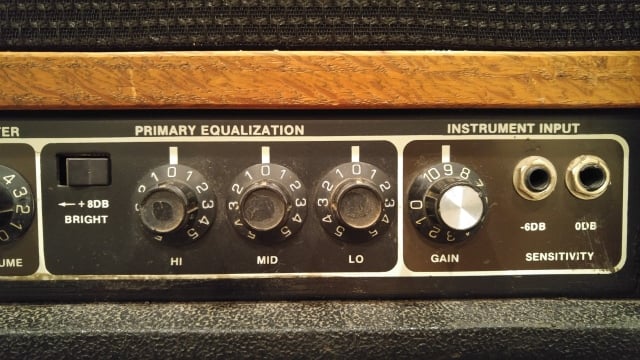
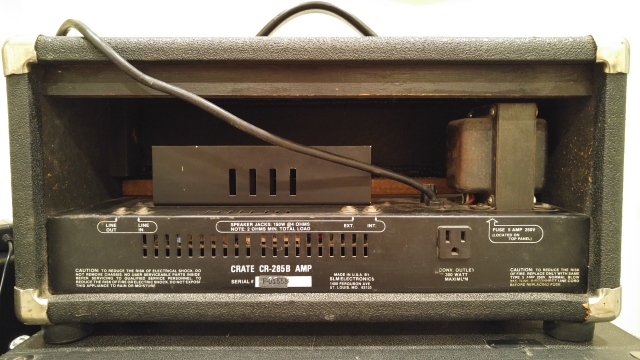
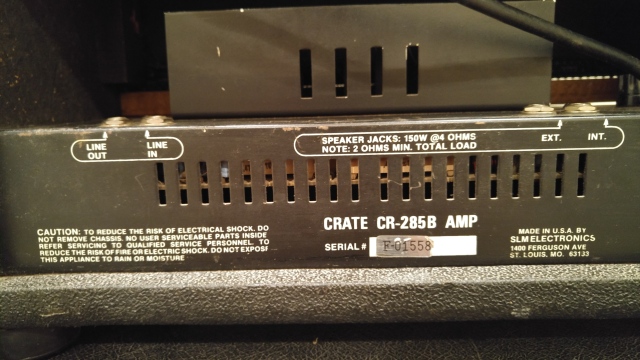
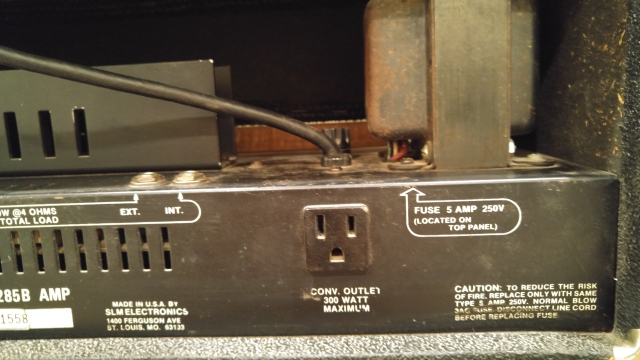
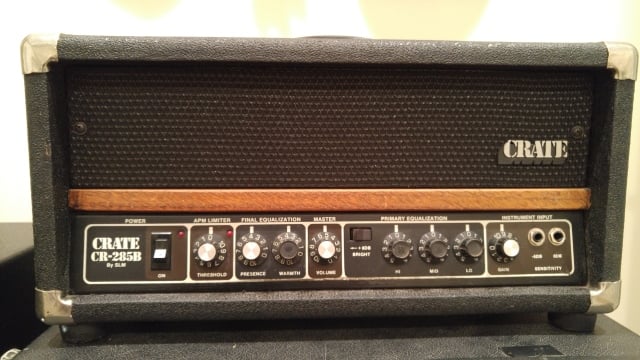
Just making this thread as a resource for (the few) people who search and are interested. I found little information online regarding this amplifier but feel its solid enough and unique enough to post in case others want a resource. If anyone reads and has anything to contribute, please do. I use forums constantly for my used gear purchases.

It is a mid to late 1980's model Crate solid state bass amplifier. Internal and External speaker outputs that say 2ohm stable. 150 watts at 4 ohms. Made in the USA at the SLM factory in St. Louis Missouri.
ek3wn4.jpg

11mdorc.jpg

33oilnc.jpg

2qci70k.jpg

qqriiq.jpg

2mwwj9j.jpg


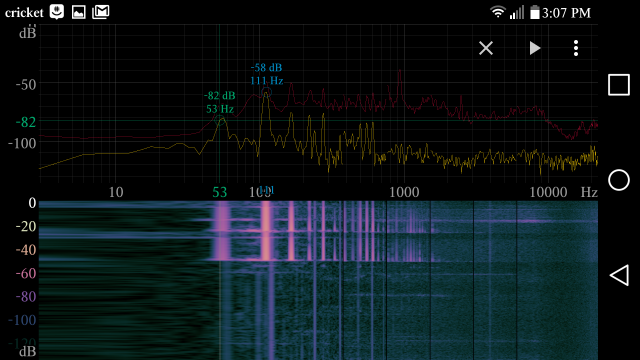
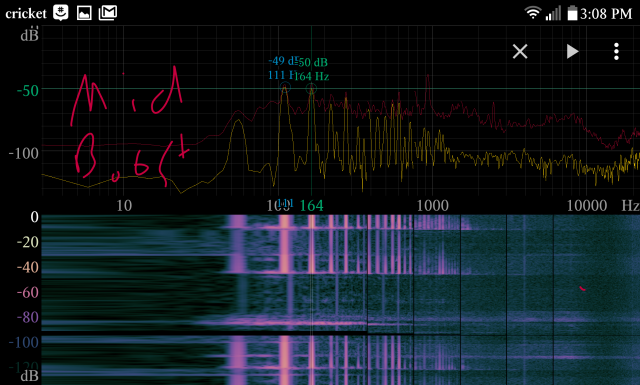
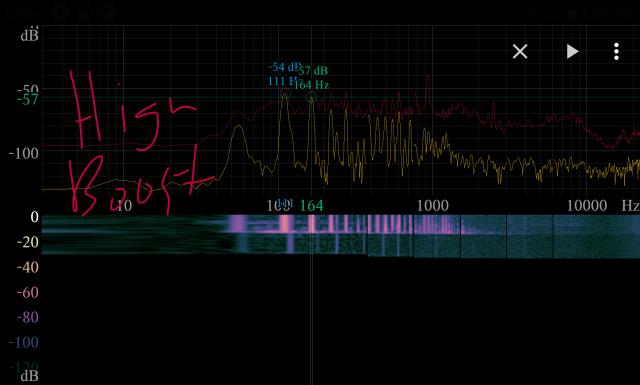
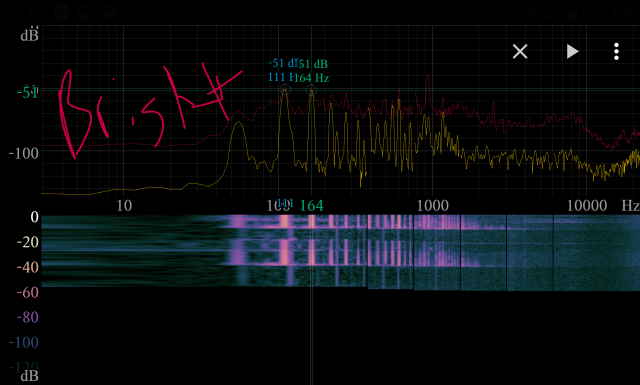
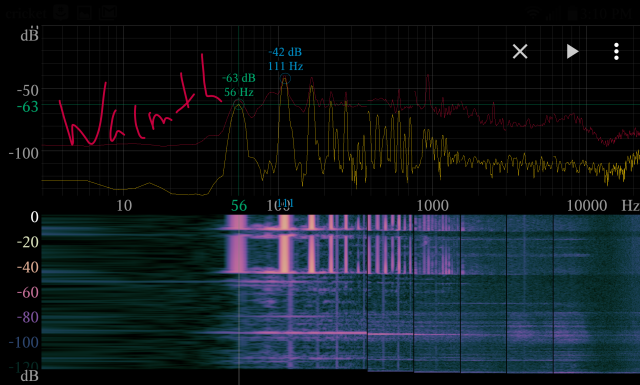
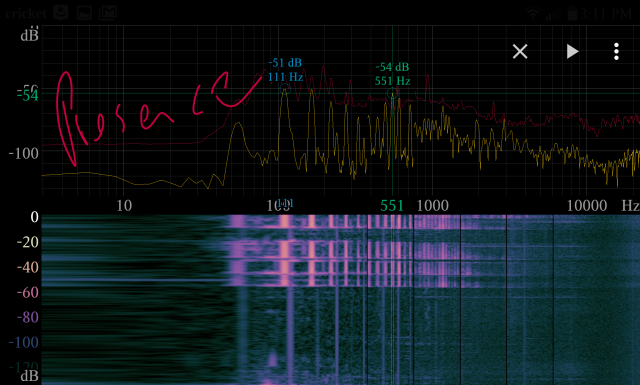
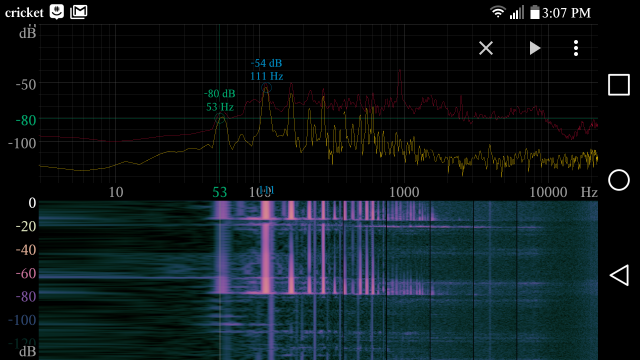
I did some EQ plotting on my cell phone. Started flat with my DP custom scroll. Just plucked the A string and paused the graph. I did one with the amp flat and one for each control manipulation. The findings are as follows.

FLAT
6ppa8l.png


LOW MAXED
25jxobt.png


MID MAXED
s47x4m.png


HIGH MAXED
dhe721.png


BRIGHT SWITCH ON
2rdx07s.png


WARMTH MAXED
211v20x.png


PRESENCE MAXED
23igx1f.png
 
So, after playing on this amp through my B15 cab, it just sounds amazing. I want to take it up to the church I play at instead of my other rig, but we run DI out of an RBI head, and this old crate only has a line out. We don't have a sufficient mic for a bass cab. Any thoughts? How different is a line out from a modern DI?
 
Cool old head; I used to have a CR-160 1 x 12 guitar combo from the same era, with similar cosmetics. As I recall it had a pretty low-to-medium gain dirty channel with a nice warm sound. Of course that was in the early 90s and I wanted something that sounded like a Soldano then. Wish I still had it.

Looks like it's got some nice features for bass.
 
  • Like
Reactions: BelmontBiker
How different is a line out from a modern DI?
Line outs are "unbalanced" signals, just a "hot" and "ground". A balanced output, by contrast has a "+" , a "-" and a ground. Having the + and - line helps cancel hum, similar to a humbucking pickup. Just connect the line out to an standard (passive or active) DI box using an instrument cable. The DI converts the unbalanced signal to a balanced signal which is best for feeding a PA system, and also provide electrical isolation to prevent ground loops.
 
nice! i think i searched, and i think i couldn't find it. so a heart-felt thank you.

and now i gotta find the matching 2x15" cab. thanks.

The schematic is on the ampeg site. Never hurts to grab a copy in case a repair is required. It isn’t something that I can post but you can get it. Just enter the model number in the search window.

Link Removed
 
  • Like
Reactions: scuzzy
i know crate can be a bad word in the instrument world, but this amp truly has a great sound. even my brother in law, who is a good guitarist and a very good audio engineer said it sounded great on guitar, for a nice clean tone. handles pedals great as well. the ampeg b15 cab probably has a bit to do with it all as well. it's a nice package.
 
  • Like
Reactions: beans-on-toast
Hey I really need some help. Recently I found a capacitor dislodged in the chassis of my CR and I'm hoping someone can take a few pictures of the inside of their head. Specifically I think it broke off from the eq pcb but I'm not sure. Posted are pics of what I'm dealing with. Thank you !

IMG_20180630_193214.jpg IMG_20180630_193227.jpg IMG_20180630_193151.jpg IMG_20180630_193146.jpg
 
Yeah I thought maybe it was a resistor cause it's like holding a construction brick. Very chalky. Never seen one like this before.


There are two of those resistors in the amp. R44 and R45. They are 0.22 ohms +/- 5% tolerance, 10 watts. They are connected in parallel, one end to ground, the other to the speaker output jack sleeves and R42.

The resistors are in the power amp, not the preamp as you suspect. Look for a second resistor just like the one that fell out. Then again, if one came out perhaps both did. You may have to trace the circuit using the schematic to find them. Probably on the board that we are seeing the back of in your images

Download the schematic here:
Link Removed
 
Last edited: