• TalkBass has been independent since 1998. Add your voice.
    Create a free account to reply to discussions, view embedded media, and browse with fewer display ads.
    Join freeLog in
    Want zero display ads or expanded classifieds tools? Compare plans.

70s Peavey 6x10 speaker retrofit.

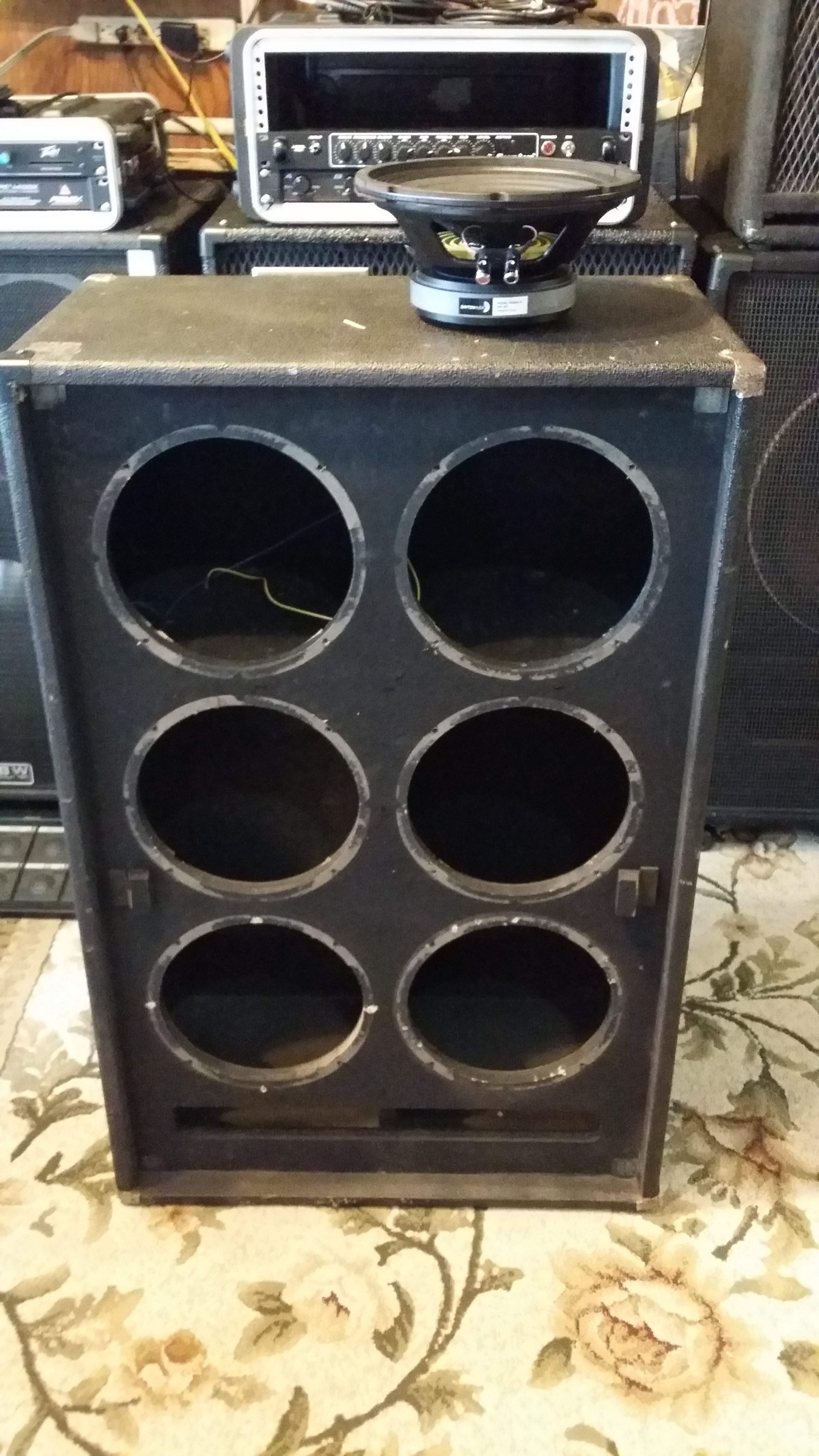
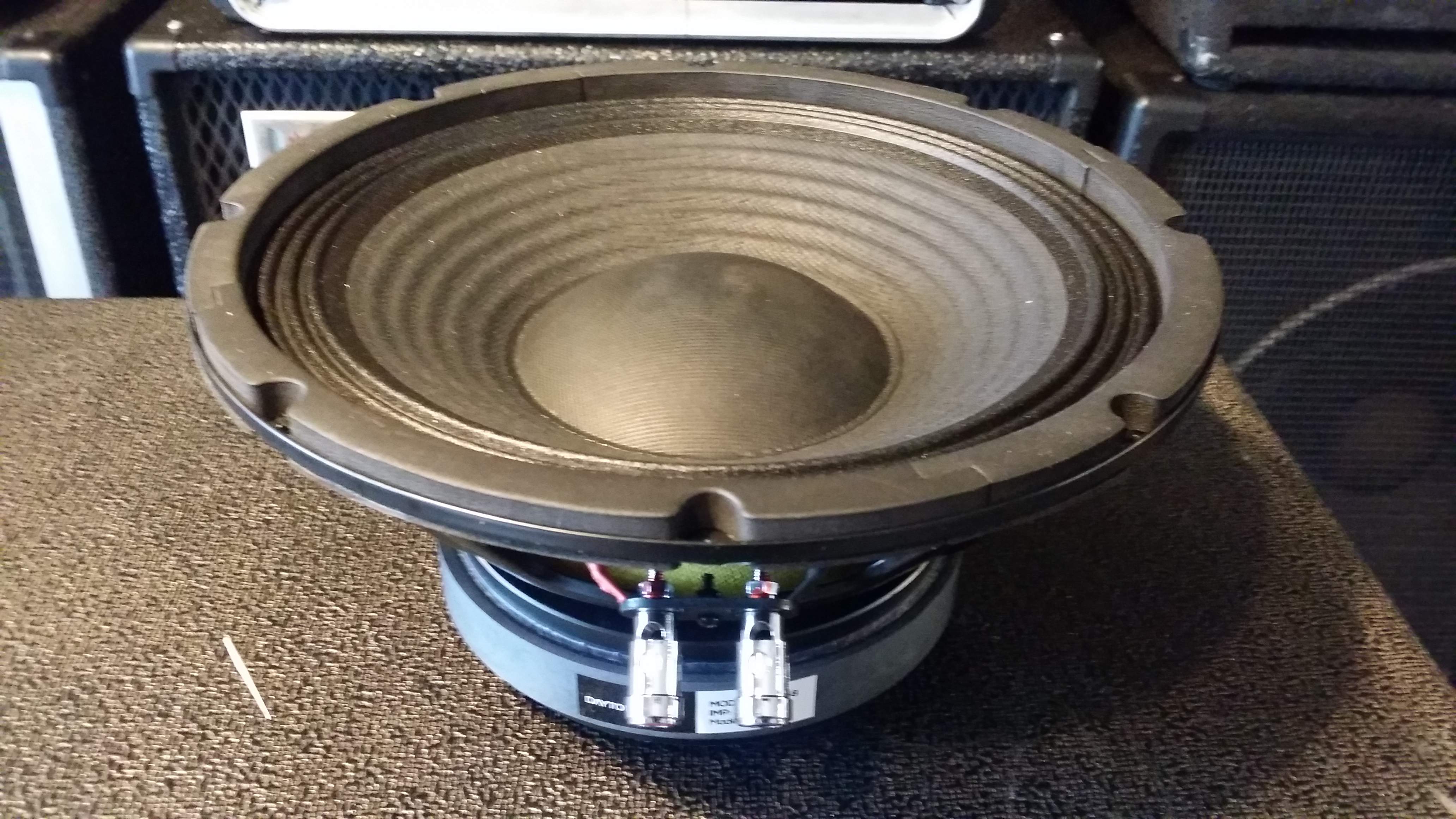
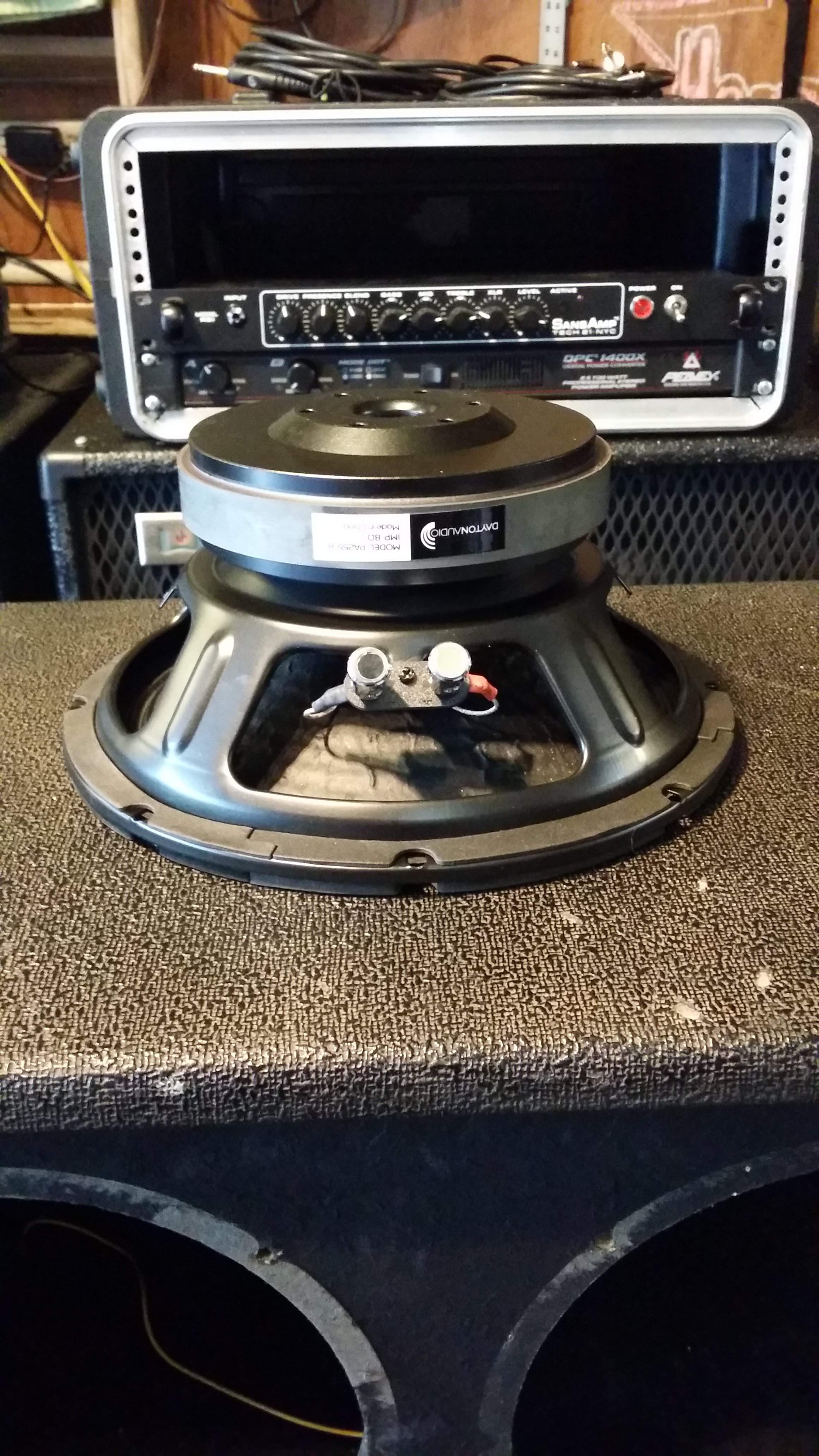
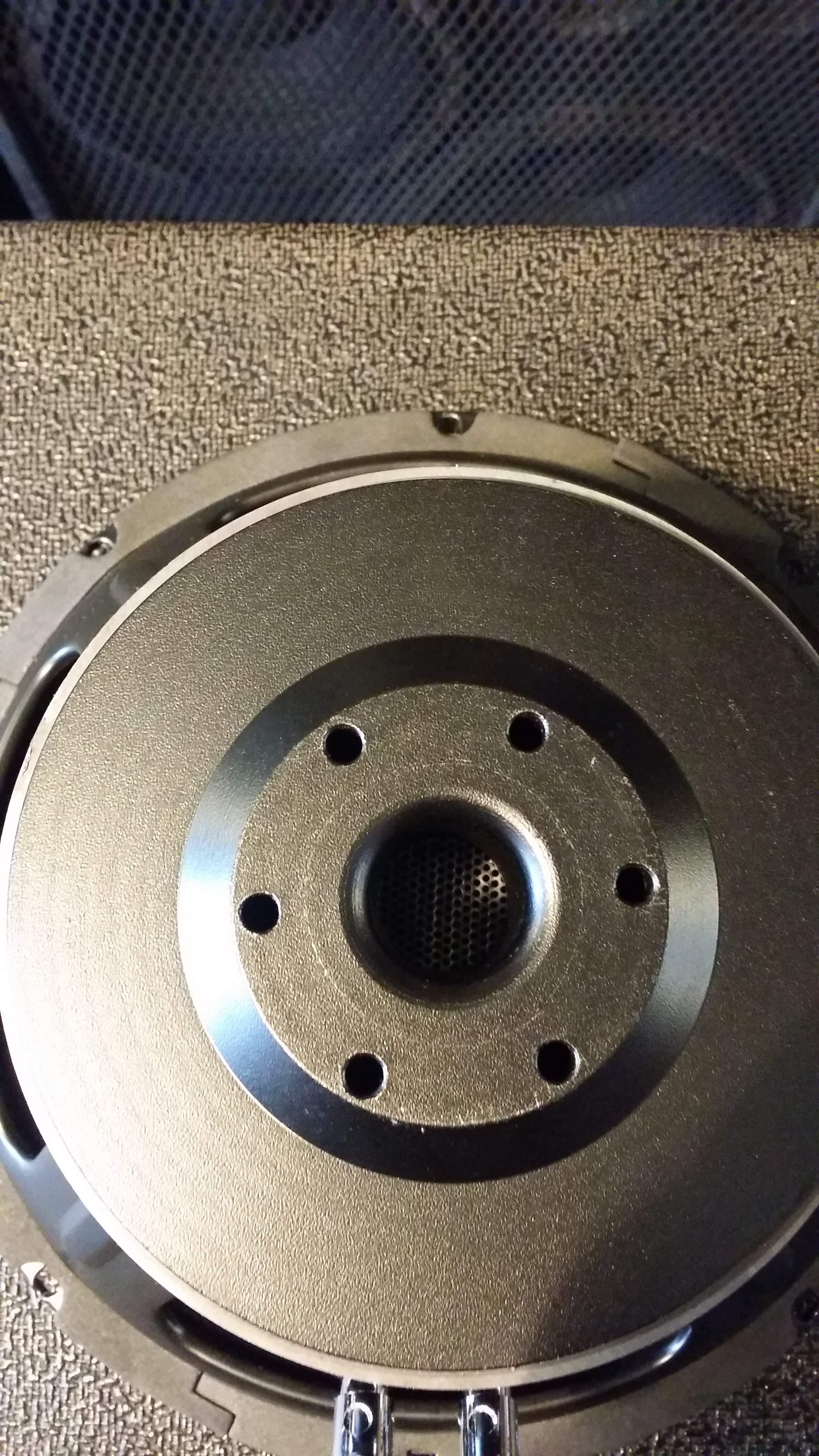
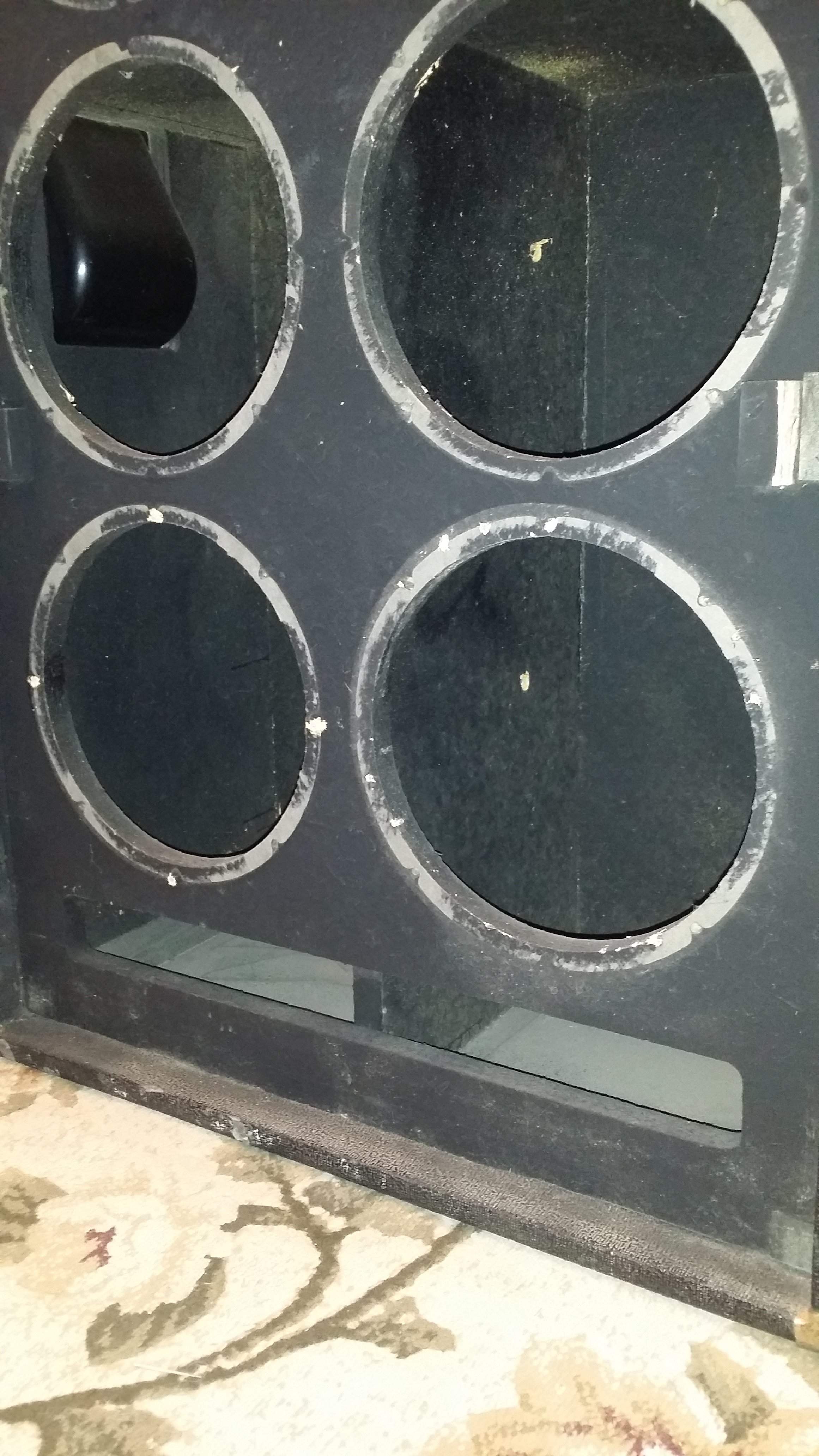
So, after measuring the internal volume of this 1970s Peavey 6x10 cabinet and searching through tons of speakers that may fit the bill I finally settled on Dayton PA series 10" pro woofers. The recommended volume for ported and sealed cabinets fit the bill almost perfectly for this old school Peavey cabinet. The top two are sealed cabinet the bottom four are two separate ported cabinets as you will see in the pictures.
I'm going to clean it up and mount/wire the speakers and let you all know how everything sounds!
20180510_160929.jpg
20180510_160908.jpg
20180510_161902.jpg
20180510_160952.jpg

Bottom 4 ported cabinets.
20180510_162348.jpg
 
Cool project.

Looks like each speaker weighs about 11lbs. So cab should weigh about 80-90lbs when done?

I suggest installing casters or tilt-back since you have the cab open. Also, seems to me having a nice cover made for it will keep it good for another 40 years.

Low efficiency at 92.6 db. What amp will you be running with it?

An HPF would also be helpful to keep the low end tight.

From the Dayton website:
  • pa255-8_photo_1_2.jpg
  • pa255-8_photo_3_2.jpg
PrevNext
PA255-8 10" Pro Woofer 8 Ohm

Product Highlights
• Strong, low-mass carbon fiber impregnated paper cone
• I-beam rolled edge 1.2 mm steel frame
• Low distortion motor system w/copper cap
• Powerful 50 oz. ceramic ferrite magnet
• Vented pole piece/vented voice coil gap improve thermal management
• Black motor parts and black polyimide voice coil former dissipate heat
• Bumped back plate for unrestricted excursion

Product Manuals / Spec Sheets / Downloads
Product Description
Dayton Audio PA Series Pro Woofers are a great upgrade for musical instrument or sound reinforcement cabinets, and also excel in custom-built speaker systems. High power handling, smooth response, low distortion, deep punchy bass, and rugged reliability are the features that set PA Series woofers apart from other drivers – premium performance, but value priced.


OPTIMUM CABINET SIZE *

Sealed Volume 0.89 ft.³
Sealed F3 83 Hz
Vented Volume 2.94 ft.³
Vented F3 42 Hz
* Enclosure volume/F3s based on BassBox "optimum" calculations

Product Details
Speaker Series Pro Audio Series
Model Number PA255-8
List Price $56.99
Color Black
Unit of Measure Each
UPC 844632084225
Warranty - Parts 5 Years
Warranty - Labor 5 Years
Product Shipping Weight (lbs.) 11.8000
Speaker Type Woofer
Nominal Diameter 10"
Power Handling (RMS) 300 watts
Power Handling (max) 600 watts
Continuous Program Power --
Impedance 8 ohms
Sensitivity 92.6 dB @ 2.83V/1m
Frequency Response 46 - 3,500 Hz
Voice Coil Diameter 51 mm
Magnet Weight 50 oz.
DC Resistance (Re) 5.5 ohms
Voice Coil Inductance (Le) 1.49 mH
Resonant Frequency (Fs) 50.5 Hz
Mechanical Q (Qms) 8.49
Electromagnetic Q (Qes) 0.66
Total Q (Qts) 0.61
Diaphragm Mass Inc. Airload (Mms) 42.3g
Moving Mass Of Diaphragm (Mmd) --
Mechanical Compliance of Suspension (Cms) 0.24 mm/N
Surface Area Of Cone (Sd) 346.4 cm²
Volume of Displacement (Vd) 173.2 cm³
BL Product (BL) 10.6 Tm
Compliance Equivalent Volume (Vas) 41.2 liters
Maximum Linear Excursion (Xmax) 5 mm
Driver's Mechanical Losses (Rms) --
Cone / Diaphragm Material Paper / Carbon Fiber Cone
Entry / Exit Diameter --
Surround Material Cloth
Voice Coil Wire Material Copper
Voice Coil Former Kapton® / Polyimide
Basket/Frame Material Steel
Magnet Material Ferrite
Overall Outside Diameter 254 mm
Overall Depth 125 mm
Baffle Cutout Diameter 232 mm
# Mounting Holes 8
Mounting Hole Diameter --
Bolt Circle Diameter --
Product Weight --
 
Cool project.

Looks like each speaker weighs about 11lbs. So cab should weigh about 80-90lbs when done?

I suggest installing casters or tilt-back since you have the cab open. Also, seems to me having a nice cover made for it will keep it good for another 40 years.

Low efficiency at 92.6 db. What amp will you be running with it?

An HPF would also be helpful to keep the low end tight.

I have a few rigs I use mostly old school rackmount rigs, none of the dedicated amps are under 700 watts per ch, 1400 watts bridged. I also use a Quilter BB800 (rated 800 watts 4 ohms and 450 into 8 ohms).
I plan on running the top 2 speakers, the bottom left 2 speakers and the bottom right 2 speakers in 3 series groups. (That'll be 3 groups of 16 ohms each), then run those 3 groups in parallel, that'll be 5.33 ohms total for the cabinet.
At that resistance it should easily draw around 550 or 650 watts from Quilter at full tilt (which I'm sure I'll never do).
The Peavey DPC1400x isnt recommended to drive 4 ohms in bridged mode. But the QSC PLX3002 is and is capable of delivering 3000 watts into 4 ohms and at 5.33 ohms I'm sure it could drive that cabinet into flames if I got cold..
The Peavey DPC1400X is rated 700 Watts a side into 4 ohms so it should be able to drive 5.33 ohms at around 500~600 watts.
I don't think I'll ever have to drive the cabinet that hard.
The QSC power amp has HPF filters built in also btw.
That is a rather low efficiency rating but I don't think power will be an issue, and I won't be playing huge shows with this cabinet lol.
I got the cabinet for free, it's in pretty decent shape and hated seeing it sit empty. Figured I'd breath some life back into it.
 
  • Like
Reactions: Stumbo
I would be VERY careful, 300 watts RMS per driver might not be as accurate as it appear (at least for long).
 
I'm totally a neophyte when it comes to this stuff, but is it common to have ported and sealed enclosures in the same box? Seems like an odd bird especially using the same drivers in both applications.

Any pearls of wisdom?
Good question/comment. Does anyone know if the original drivers were the same throughout the the cab, or if they had something different in ported vs sealed? Or OP... do you know?
On the surface it seems like a way to get the advantages of both sealed and ported cabs, but I'd be surprised if there weren't some underlying gotchas. It's almost like a built in mixed cab. A 2x sitting on a 4x. Would the original speakers have had different impedances in the 2x vs the 4 so that the power got split up evenly between all six?

It is a cool looking project though.
 
Good question/comment. Does anyone know if the original drivers were the same throughout the the cab, or if they had something different in ported vs sealed? Or OP... do you know?
On the surface it seems like a way to get the advantages of both sealed and ported cabs, but I'd be surprised if there weren't some underlying gotchas. It almost like a built in mixed cab. A 2x sitting on a 4x. Would the original speakers have had different impedances in the 2x vs the 4 so that the power got split up evenly between all six?

It is a cool looking project though.

All 6 of the old speakers were the old square magnet Peaveys, the cab was never really intended for bass, it was more of a guitar cab/keyboard cab, at least according to the old Peavey adds. When I got the cabinet it had 4 left in it (2 on top and 2 on bottom with a couple of crap replacments) they were all the same impedance, one had a ripped and repaired cone the other 3 were in decent shape and I boxed them up for storage. They measure out to 23 ohms a piece! Here's some pictures.
20180512_121116.jpg
20180512_121126.jpg
20180512_121234.jpg
 
  • Like
Reactions: Old Garage-Bander