I was going through Gary Willis' old book, "Fingerboard Harmony for Bass".
It's about harmony, chord tones, etc... (Nothing technical - it's all about the correct notes), but...
In the chapter, "Second Finger Position" (your second finger on G on the E String), Gary Willis explains how to organize all diatonic triads (plus octaves) in the key of G major in this "Second Finger Position".
Suddenly, I had a question about his D major triad (first inversion) starting on the second fret of the E string - F#. Many years ago, I did not have any questions about the left/fretting hand's fingering.
It was very clear to me how to play it:
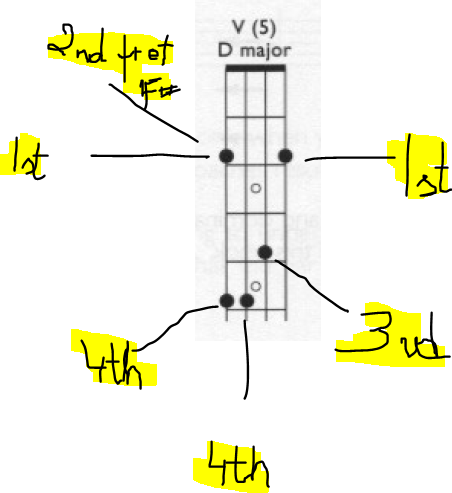
But after reading some comments here about the "correct" fingering - a separate finger for each note/pitch, I decided to try some other fingering combinations.
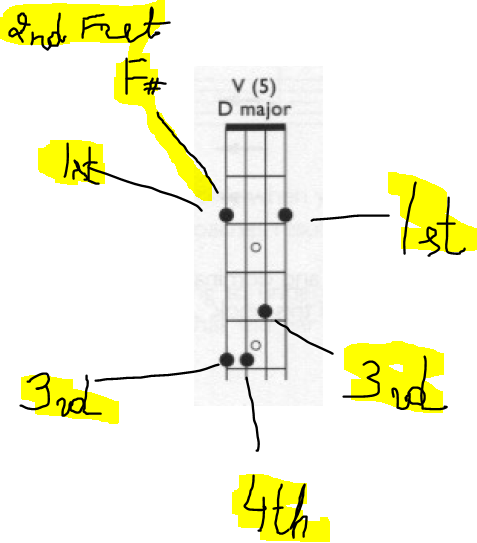
Or maybe, this way:
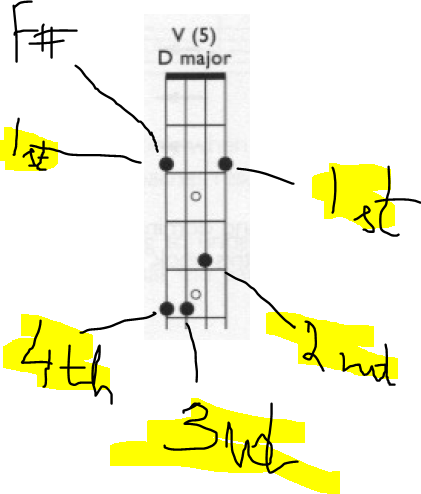
Any ideas?
It's about harmony, chord tones, etc... (Nothing technical - it's all about the correct notes), but...
In the chapter, "Second Finger Position" (your second finger on G on the E String), Gary Willis explains how to organize all diatonic triads (plus octaves) in the key of G major in this "Second Finger Position".
Suddenly, I had a question about his D major triad (first inversion) starting on the second fret of the E string - F#. Many years ago, I did not have any questions about the left/fretting hand's fingering.
It was very clear to me how to play it:
But after reading some comments here about the "correct" fingering - a separate finger for each note/pitch, I decided to try some other fingering combinations.
Or maybe, this way:
Any ideas?
Last edited: