
Enjoy the benefits of a premium membership!
Upgrade Account
-
TalkBass has been independent since 1998. Add your voice.
Create a free account to reply to discussions, view embedded media, and browse with fewer display ads.
Join free Log in
Want zero display ads or expanded classifieds tools? Compare plans.
You are using an out of date browser. It may not display this or other websites correctly.
You should upgrade or use an alternative browser.
You should upgrade or use an alternative browser.
Amazing Photos
- Thread starter Richland123
- Start date
More options
Who Replied?



Hawksbill sea turtle swimming near Akajima, Okinawa, Japan
Happy World Sea Turtle Day! Today people around the world gather to clean beaches and help animals like this hawksbill sea turtle thrive. The largest populations of hawksbill sea turtles are found in the Caribbean, Indian, and Indo-Pacific Oceans but you'll find sea turtles in every ocean, except the Arctic and Antarctic.
But these ancient creatures' existence is under threat, with six of the seven recognized species on the cusp of extinction. Climate change, poaching, coastal development and pollution are among threats, along with plastic waste, which can be mistaken for food. From abandoned fishing nets and microplastics to disposable bottles left on hatching grounds, plastics play a prominent part in turtles' present plight. Reducing our plastic waste is one way we can help these magnificent creatures survive.

Happy World Sea Turtle Day! Today people around the world gather to clean beaches and help animals like this hawksbill sea turtle thrive. The largest populations of hawksbill sea turtles are found in the Caribbean, Indian, and Indo-Pacific Oceans but you'll find sea turtles in every ocean, except the Arctic and Antarctic.
But these ancient creatures' existence is under threat, with six of the seven recognized species on the cusp of extinction. Climate change, poaching, coastal development and pollution are among threats, along with plastic waste, which can be mistaken for food. From abandoned fishing nets and microplastics to disposable bottles left on hatching grounds, plastics play a prominent part in turtles' present plight. Reducing our plastic waste is one way we can help these magnificent creatures survive.


Hawksbill sea turtle swimming near Akajima, Okinawa, Japan
Happy World Sea Turtle Day! Today people around the world gather to clean beaches and help animals like this hawksbill sea turtle thrive. The largest populations of hawksbill sea turtles are found in the Caribbean, Indian, and Indo-Pacific Oceans but you'll find sea turtles in every ocean, except the Arctic and Antarctic.
But these ancient creatures' existence is under threat, with six of the seven recognized species on the cusp of extinction. Climate change, poaching, coastal development and pollution are among threats, along with plastic waste, which can be mistaken for food. From abandoned fishing nets and microplastics to disposable bottles left on hatching grounds, plastics play a prominent part in turtles' present plight. Reducing our plastic waste is one way we can help these magnificent creatures survive.
Great post! These amazing animals deserve protection.
The ancient monument of Stonehenge has fascinated people for centuries. Estimated to have been built between 3000 and 2000 BCE in the English county of Wiltshire, its large standing stones remain an enigma. Exactly why and how this massive stone circle was built are still debated. What we do know, is that it was done without metal tools or the use of wheels—and some of those stones were moved more than 150 miles.
On the summer solstice, the longest day of the year, the sun rises directly over the largest stone, the Heel Stone, creating a captivating spectacle. On the winter solstice, the shortest day, the sunset aligns with the stones, casting an enchanting glow upon the ancient site. Stonehenge's precise alignment with astronomical events suggests its importance in ancient ceremonial practices, making it an iconic symbol of human ingenuity and our connection to the cosmos.

On the summer solstice, the longest day of the year, the sun rises directly over the largest stone, the Heel Stone, creating a captivating spectacle. On the winter solstice, the shortest day, the sunset aligns with the stones, casting an enchanting glow upon the ancient site. Stonehenge's precise alignment with astronomical events suggests its importance in ancient ceremonial practices, making it an iconic symbol of human ingenuity and our connection to the cosmos.

I was staying with my father-in-law one Solstice. He lives near Cathedral Rock…the sound of drumming from there went on practically all night.
Happy Solstice!
New…where is that Bonfire???
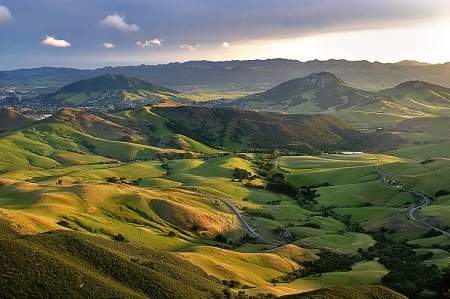
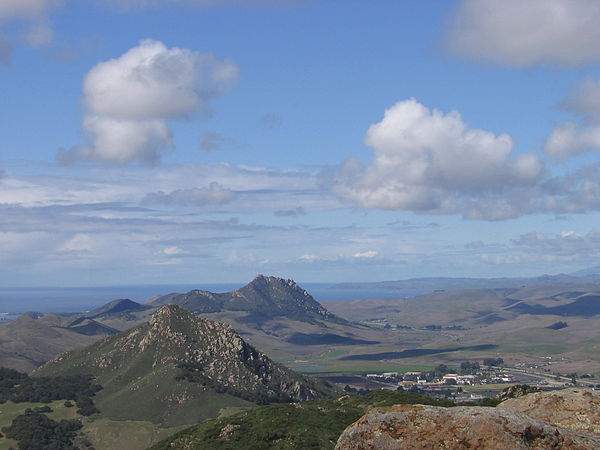
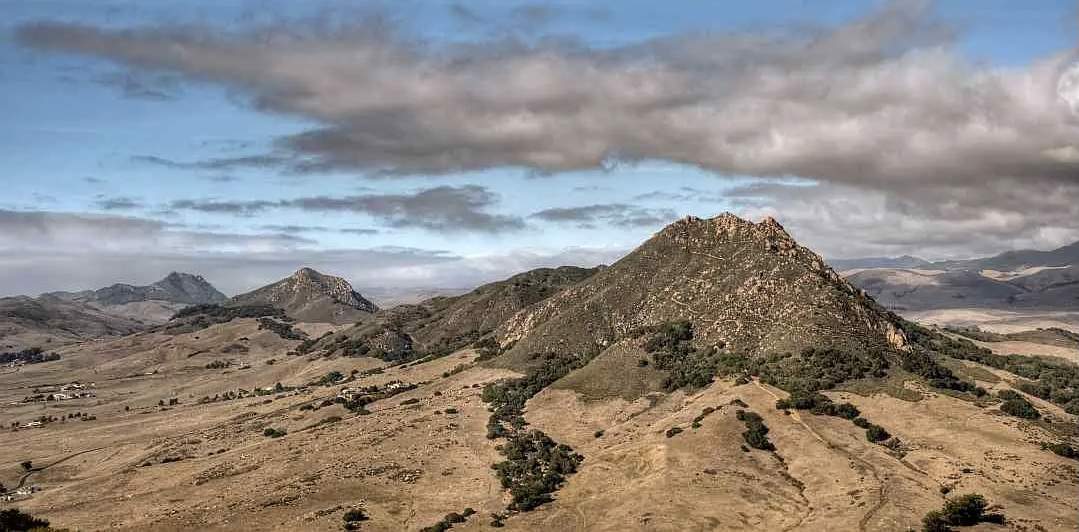
The Nine Sisters or the Morros are a chain of twenty-three, although typically only nine are included, volcanic mountains and hills in western San Luis Obispo County, Southern California.
Not really an amazing photo but a good picture of a Holy Grail of pinball, Pinball Circus:

Wupatki National Monument nearby Flagstaff, Az.
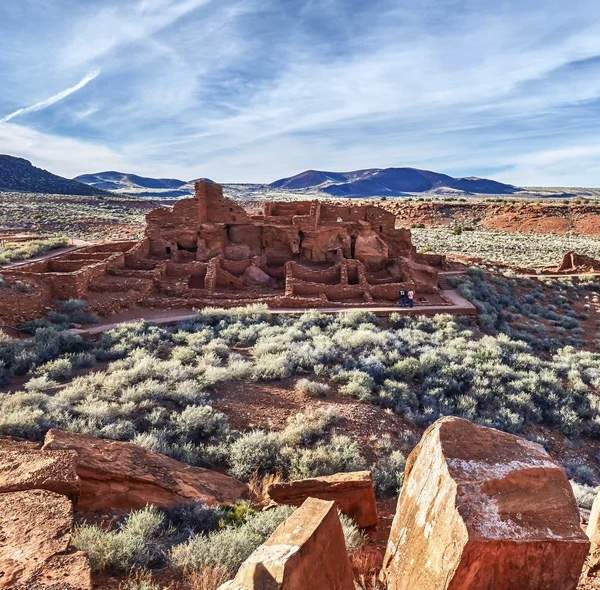
Wupatki National Monument nearby Flagstaff, Az.
View attachment 5104002
Nearby Flagstaff (but a higher elevation, thus, cooler) is a wonderful place called Walnut Canyon:
Walnut Canyon National Monument (U.S. National Park Service)
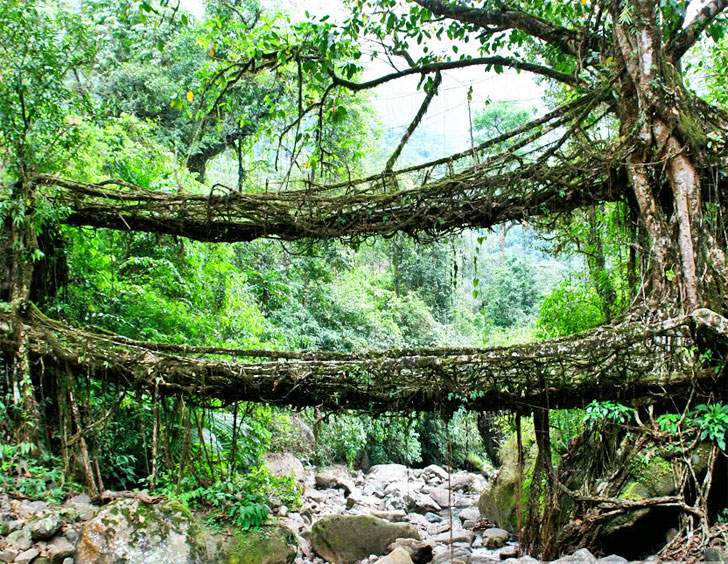
The town of Cherrapunji in the Khasi Hills is credited with the world record for annual rainfall of over 75 ft! And in this rainy, wet climate, the rubber fig tree grows with abandon. The tree has a secondary root system that grows up above the ground floor and lets the tree easily grow on top of boulders and even out in the middle of streams. Long ago, the war-Khasis, a tribe in Meghalaya region, realized they could tap into the power of these roots and use them to their own advantage. By manipulating and directing the secondary roots, they could create ultra strong living bridges with which to cross streams and rivers.