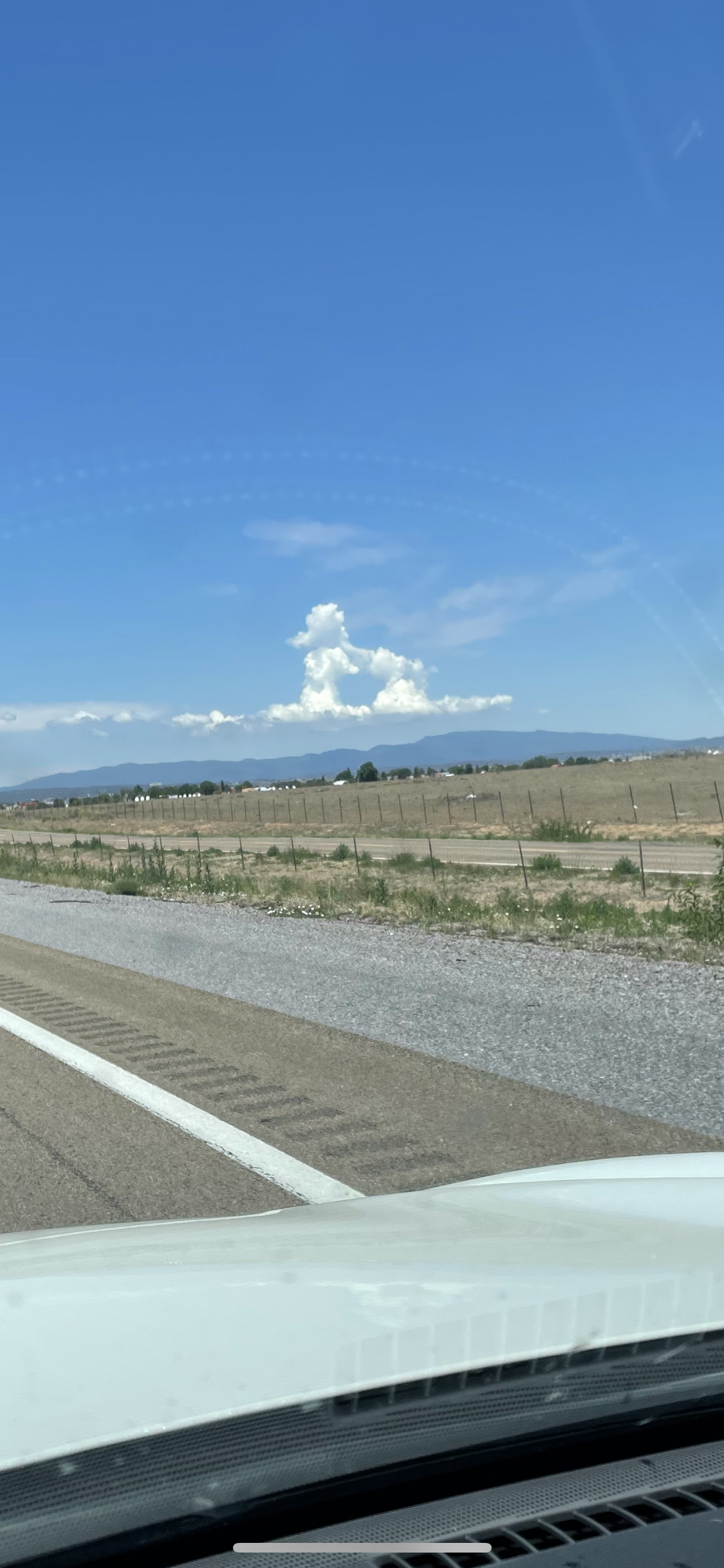
Dog with a duck’s head? Or a portal to the land of the lost? Or both? Or a duck on a surfboard?

TalkBass has been independent since 1998. Add your voice.
Create a free account to reply to discussions, view embedded media, and browse with fewer display ads.
Join free Log in
Want zero display ads or expanded classifieds tools? Compare plans.

To me, it looks like a poodle resting its head on the head of a duck-billed cocker spaniel that's laying down.Dog with a duck’s head? Or a portal to the land of the lost? Or both? Or a duck on a surfboard?
View attachment 5135047



To me, it looks like a poodle resting its head on the head of a duck-billed cocker spaniel that's laying down.
Don't look at me like I'm crazy!


I thought you seemed a little Gnarls-y today!To me, it looks like a poodle resting its head on the head of a duck-billed cocker spaniel that's laying down.
Don't look at me like I'm crazy!

Dog with a duck’s head? Or a portal to the land of the lost? Or both? Or a duck on a surfboard?
View attachment 5135047




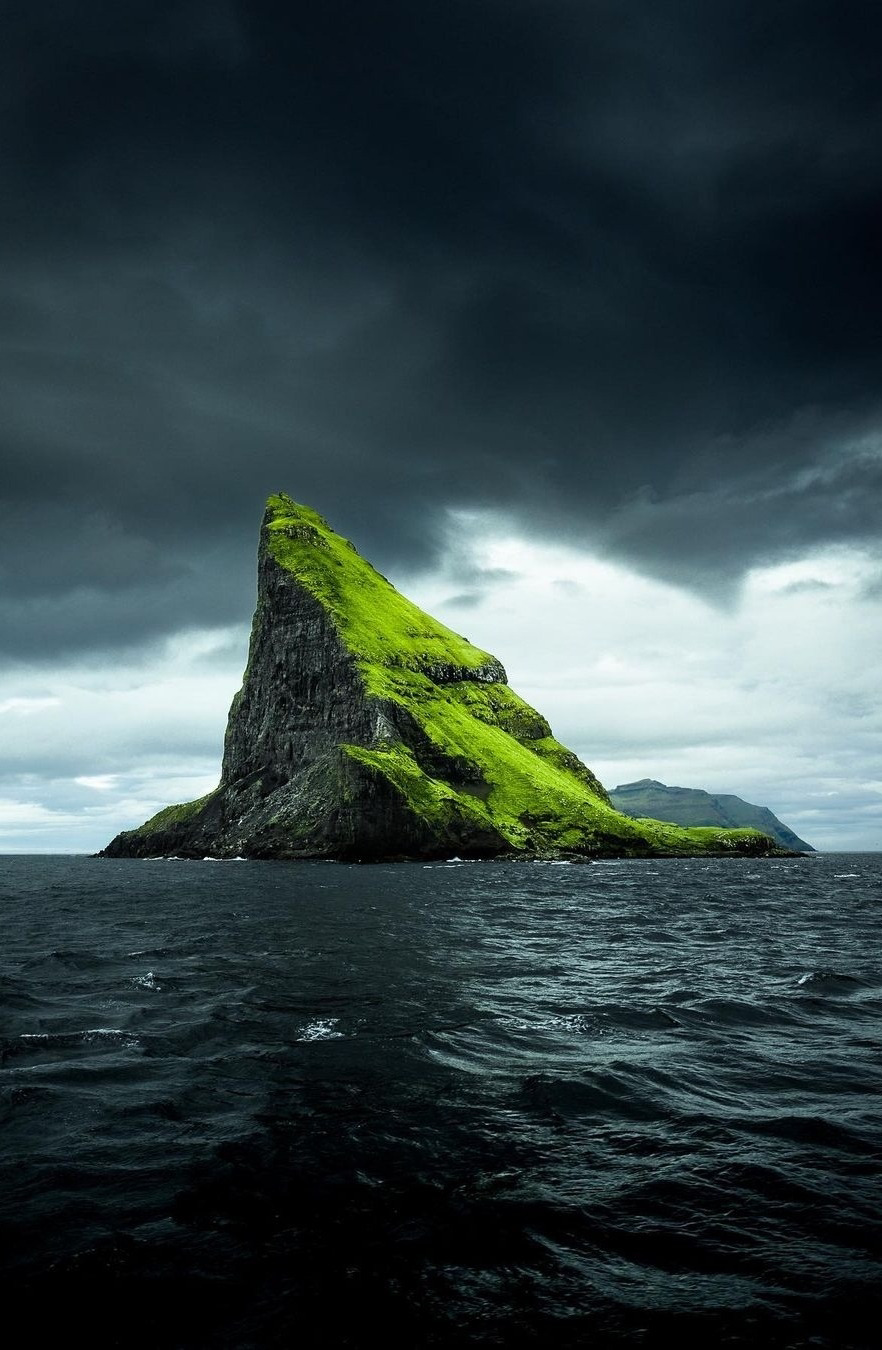
Looks like the lair of an evil supervillain.Faroe Islands: