Here is an explanation of what drying out of the fluid in an electrolytic capacitor does.
Sencore tech note:
Invalid Link Removed
As these capacitors age and loose the moisture, their internal resistance increases. This causes even more intenal heat. Worst case, the liquid expands and the capacitor fails. A sign that the cap should be replaced is bulging or worse, leaking fluid. Sometimes there is a rubber seal on the end of the cap. This acts as a pressure valve, preventing the cap from exploding. Sometimes this stopper dries out and cracks which hastens the drying out of the cap. Caps that don't have a rubber seal are designed to open in other ways such as a weak point in the case when the cap fails.
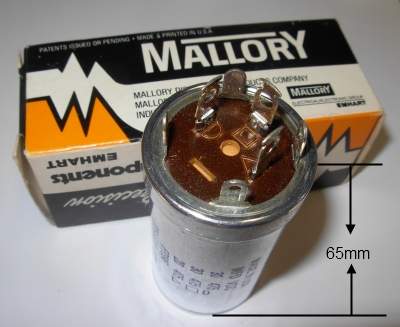
FP type capacitors are built like tanks. The metal tube does not bulge. They are well sealed. They are called dry electrolytics but they are still wet inside. You can see the vent hole in the middle of the one below. The modern products do not have this. Although they can leak, there is usually no visible signs of failure. Their health has to be measured electrically by examining the power supply voltages and testing the cap itself.
Below is a tech note from Nichicon. Part 2 is interesting in that they discuss failure modes of electrolytic capacitors.
https://www.nmr.mgh.harvard.edu/~reese/electrolytics/tec1.pdf
https://www.nmr.mgh.harvard.edu/~reese/electrolytics/tec2.pdf
Sencore tech note:
Invalid Link Removed
As these capacitors age and loose the moisture, their internal resistance increases. This causes even more intenal heat. Worst case, the liquid expands and the capacitor fails. A sign that the cap should be replaced is bulging or worse, leaking fluid. Sometimes there is a rubber seal on the end of the cap. This acts as a pressure valve, preventing the cap from exploding. Sometimes this stopper dries out and cracks which hastens the drying out of the cap. Caps that don't have a rubber seal are designed to open in other ways such as a weak point in the case when the cap fails.
FP type capacitors are built like tanks. The metal tube does not bulge. They are well sealed. They are called dry electrolytics but they are still wet inside. You can see the vent hole in the middle of the one below. The modern products do not have this. Although they can leak, there is usually no visible signs of failure. Their health has to be measured electrically by examining the power supply voltages and testing the cap itself.
Below is a tech note from Nichicon. Part 2 is interesting in that they discuss failure modes of electrolytic capacitors.
https://www.nmr.mgh.harvard.edu/~reese/electrolytics/tec1.pdf
https://www.nmr.mgh.harvard.edu/~reese/electrolytics/tec2.pdf