• TalkBass has been independent since 1998. Add your voice.
    Create a free account to reply to discussions, view embedded media, and browse with fewer display ads.
    Join freeLog in
    Want zero display ads or expanded classifieds tools? Compare plans.

Bass Amp Clone Wars

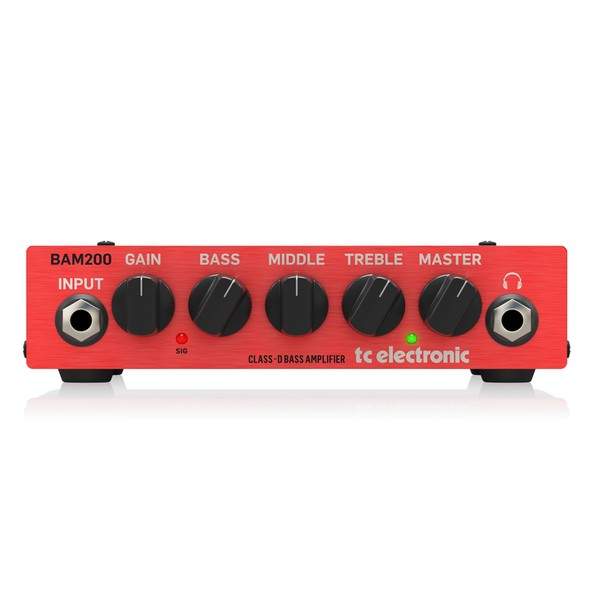
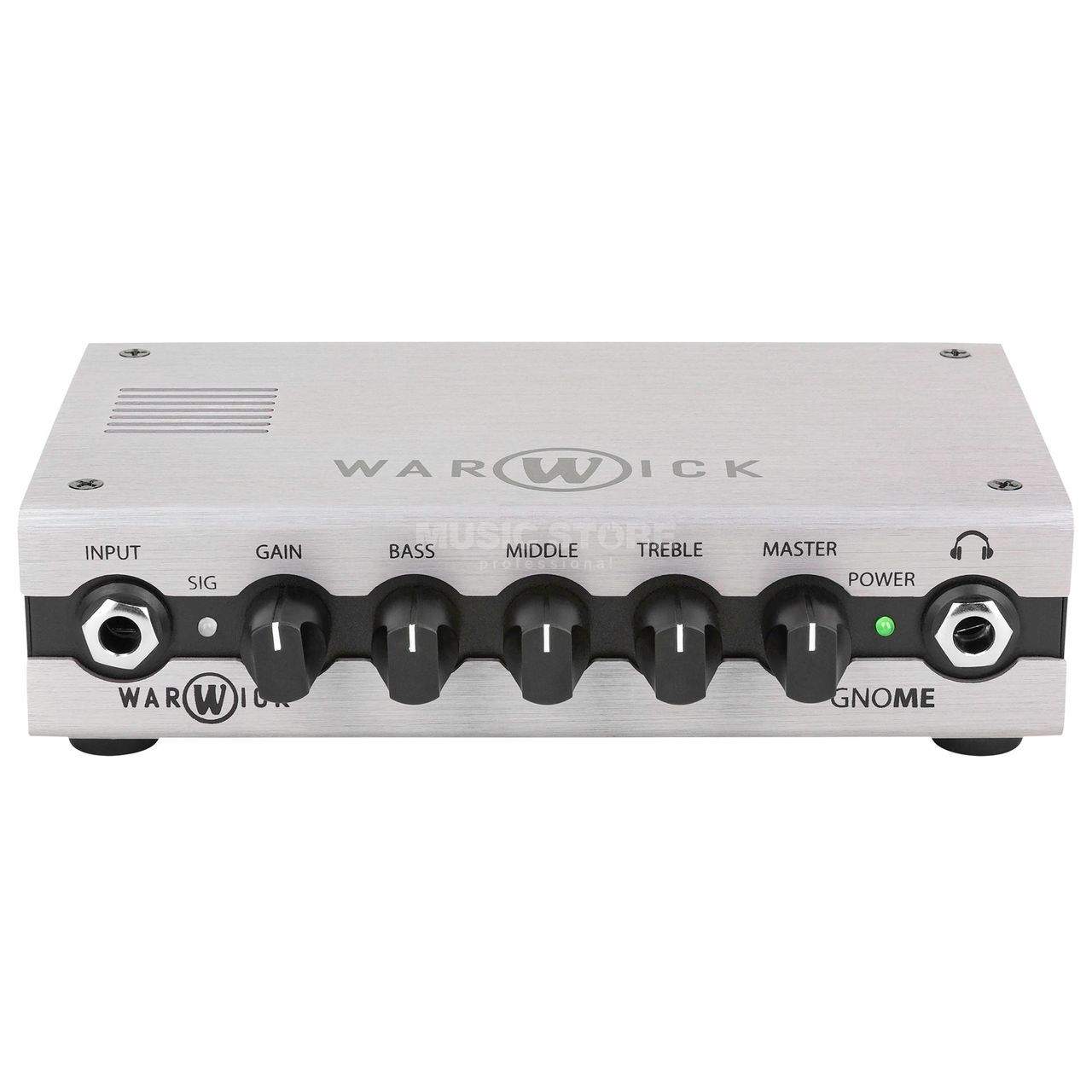
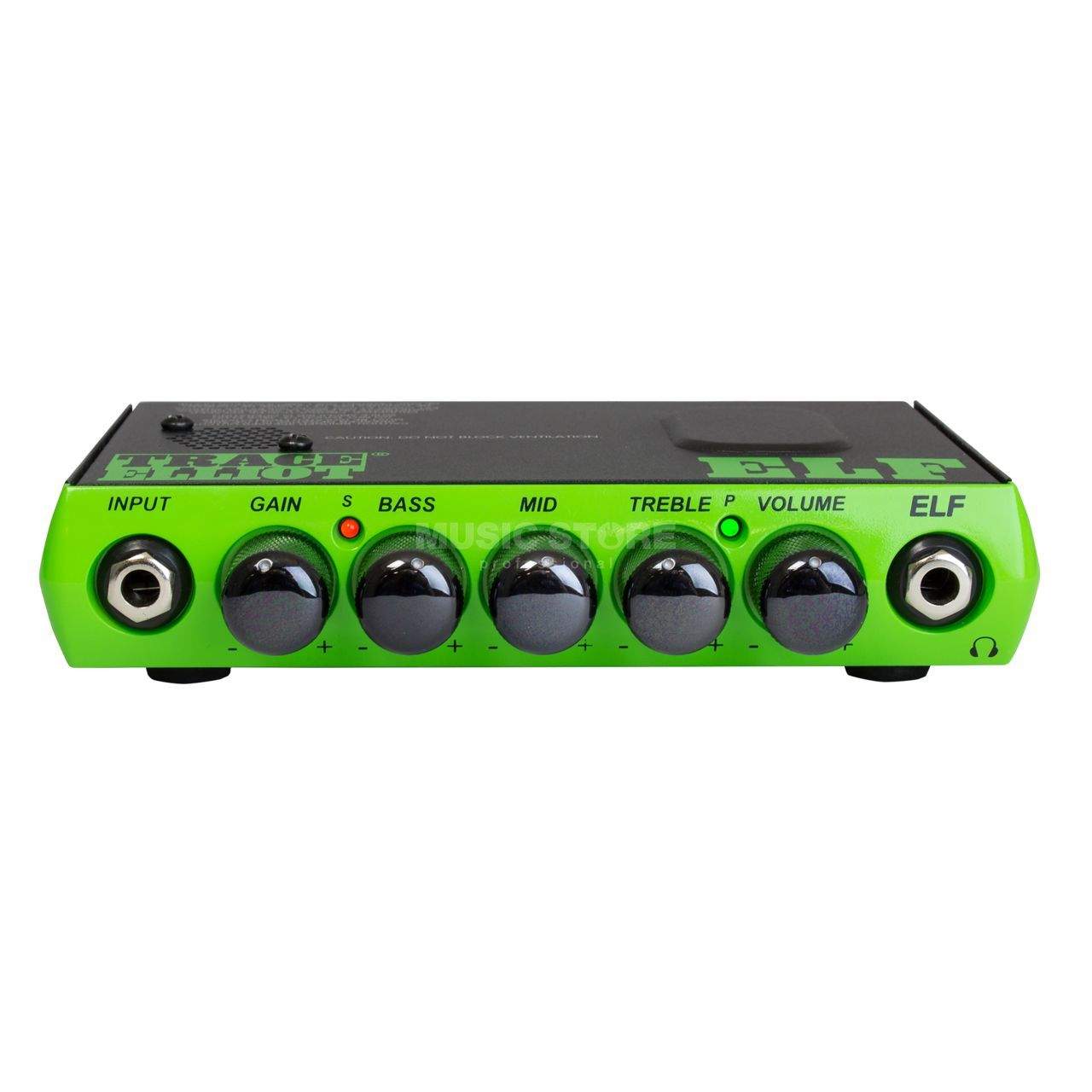
It’s just me who thinks this are the same amps?
B649FD0E-FB81-4039-AD99-70E4214266E2.jpeg
13F8159B-AC30-408D-B2BE-9D0AB44E10F7.jpeg
AF07AA5F-3B87-421C-965E-9BDE3BDB97C6.jpeg


Wattage are the same, equal layouts, it seems to me they are the same with some colour changes. I’ve never played none... What do you think?
 
The original concept sold well.
So without a doubt you get copy cats.

Without complete confirmation I wouldn't doubt that they all likely use the same Class D Chip amp.

There may be slight differences to the pre amp EQ frequencies
and slight difference in how they use compression or limiting to not hit class D clipping.

It is not much different than many 500 watt class modules that use the same ice power output section.
Only major difference is each manufactures preamp EQ and how they implement compression or limiting
to not hit PWM clipping.
 
Nope, The ELF uses a proprietary power amp section, per the Peavey designer who used to be a regular Talkbass poster.
Correct, they are all different amps, different designs with very similar layouts.
 
Well, the Amp guts of the ELF and the BAM are very similar. Couldn't find a picture of the Warwick, but I'm sure it's close.
Both these images are from Dissa and he's in the group. These both may be in the Amp guts thread.

View attachment 4245858 View attachment 4245859

These are only similar at a macro level. Basically the major building blocks of the amps are in approximately the same place. But it you look at at micro level at the individual blocks, they appear to be totally different.

The similiarity sort of makes sense. Because these amps are so compact, there is a limited number of ways you can stuff the required building blocks into the available space with the controls.
 
Last edited:
From a player standnpoint with no real experience with any of this amps, they look veeeery identical to me. The front panel is the same, gain, bass, middle, treble and master, with the input and phones out. Even the leds are the same.

Specs are exactly the same for each head, input impedance at 10Mohm, bass at 80hz, mids at 400, and highs at 4,2KHz and the output at 200W. Are these all coincidence? Or they all made their amps with the same electronics recipe?

I’m not trying to bash anyone, just trying to learn something. I’m sure they are all great amps for the price.

Just one more thing, how do you think like for instance, the TE Elf (200W) will compare in loudness in a live setting to my old (heavy) AH150GP11 (150W)?
 
Within reason the whole concept and layout has been pretty much copied.
His observation is notable.

Isnt much room either.

If marshall copied the concept the whole layout would be the same but backwards lol.

They would put the input jack on the opposite side. or the tone controls would be backwards.

If you put the input jack on the opposite side, then the power supply would be flipped to the opposite side.
since you want the input as far from the power supply as possible.

People wanna argue, when its just plain obvious the concept and layout is almost a complete duplicate.

its a simple class d amp, pick a PWM modulation chip of your choice and pick your output mosfet of choice.
 
From a player standnpoint with no real experience with any of this amps, they look veeeery identical to me. The front panel is the same, gain, bass, middle, treble and master, with the input and phones out. Even the leds are the same.

Specs are exactly the same for each head, input impedance at 10Mohm, bass at 80hz, mids at 400, and highs at 4,2KHz and the output at 200W. Are these all coincidence? Or they all made their amps with the same electronics recipe?

I’m not trying to bash anyone, just trying to learn something. I’m sure they are all great amps for the price.

Just one more thing, how do you think like for instance, the TE Elf (200W) will compare in loudness in a live setting to my old (heavy) AH150GP11 (150W)?

I have never played either of these amps, but I have read a bit about ELF and BAM200. Regardless of the similarities, they are voiced and behave different. Some people have owned both and written reviews. Some like the ELF better and some like the BAM better. They are not the same amps.

Old TE amps tended to punch above their power level, so it's really hard to say how these amps will compare. There can be quite a bit of variation in the way an amp is rated. An amp rated for 200W may barely make 200W, or 200W may have been chosen because it represents a certain distortion figure or frequency response goal.

Also there can be a difference in how much dynamic headroom an amp has. The power rating is usually expressed in watts RMS. This doesn't always tell how much power the amp can develop for short transient peaks (burst power). If the amp has 3dB of dynamic headroom it may perform like a 400W amp at certain frequencies and power levels. I believe this explains why old TEs seem to play louder than their power rating suggests.

I have no idea how much dynamic headroom these little micro amps have. However, a lot of people complain that the compression and limiting is too invasive with the ELF, which is one reason some people prefer the BAM. Overall people seem to say the BAM is more transparent and the ELF is more voiced. Ref: TC Electronics BAM200 vs Trace Elliot Elf | TalkBass.com

My thought is these little amps are cool, but you are paying an extra price premium and sacrificing both performance and features to have the absolute smallest amp possible. If you can accept a slightly larger package, I think the value/dollar spent ratio goes way up. In other words you get more for your money.

Good Luck.
 
From a player standnpoint with no real experience with any of this amps, they look veeeery identical to me. The front panel is the same, gain, bass, middle, treble and master, with the input and phones out. Even the leds are the same.

Specs are exactly the same for each head, input impedance at 10Mohm, bass at 80hz, mids at 400, and highs at 4,2KHz and the output at 200W. Are these all coincidence? Or they all made their amps with the same electronics recipe?

I’m not trying to bash anyone, just trying to learn something. I’m sure they are all great amps for the price.

Yes, it is coincidence combined with the reality that there are only so many ways to package that feature set.

Let me rephrase that.

Parts placement was similar.

Agreed, all the parts are in fact inside the chassis so that is similar.