• TalkBass has been independent since 1998. Add your voice.
    Create a free account to reply to discussions, view embedded media, and browse with fewer display ads.
    Join freeLog in
    Want zero display ads or expanded classifieds tools? Compare plans.

Double Bass Blockless wonder, can anyone say something about this bass?

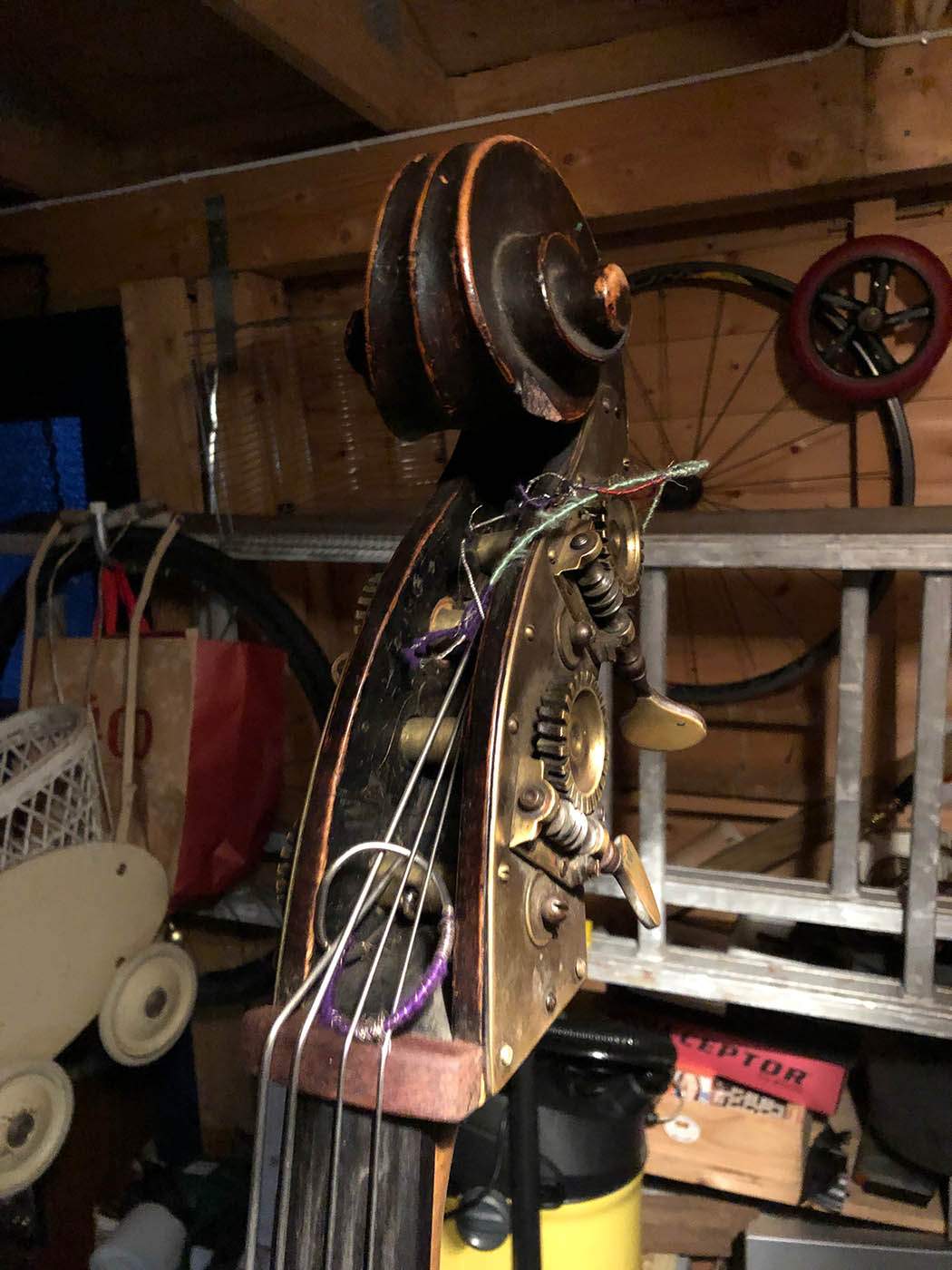
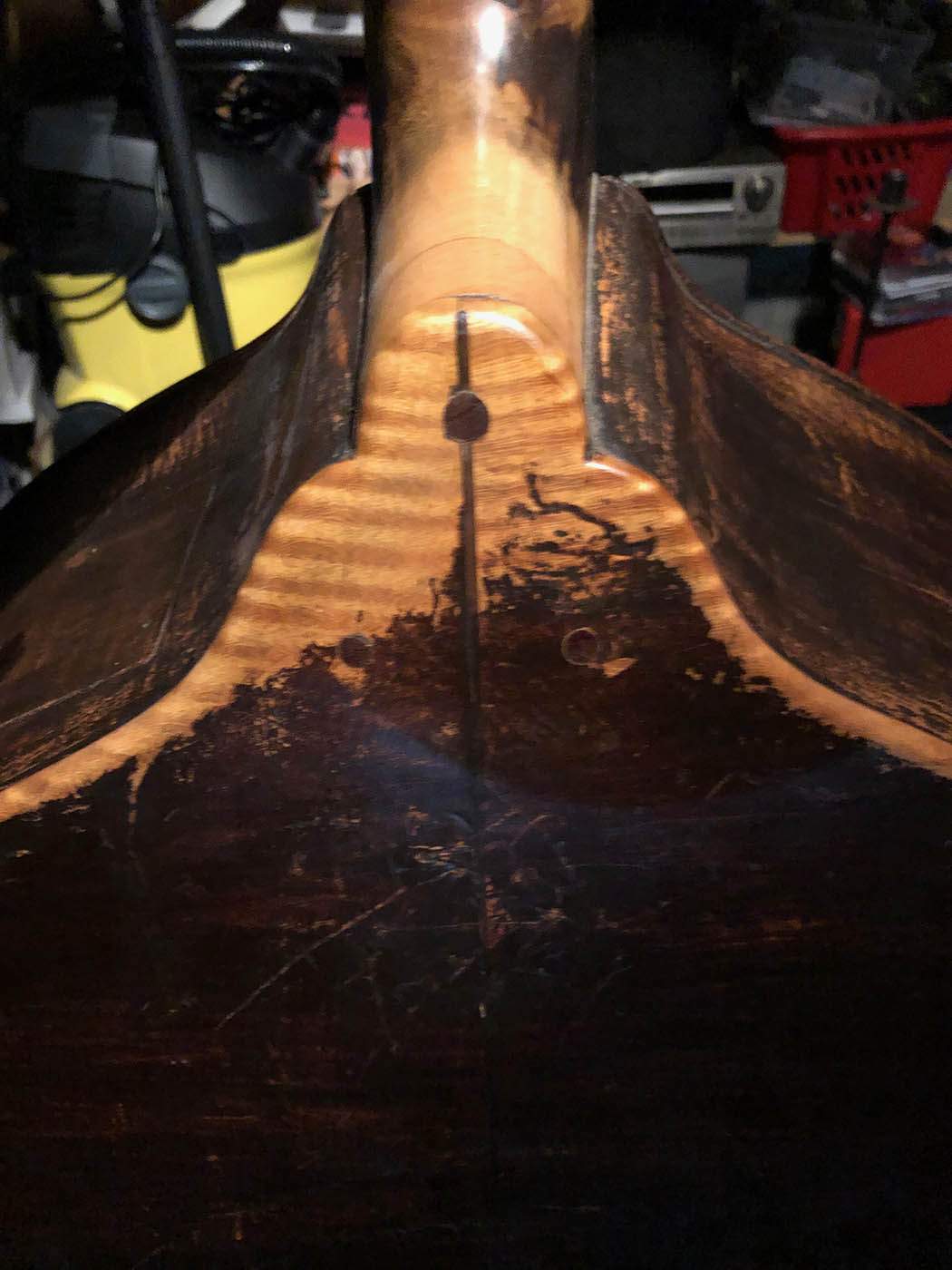
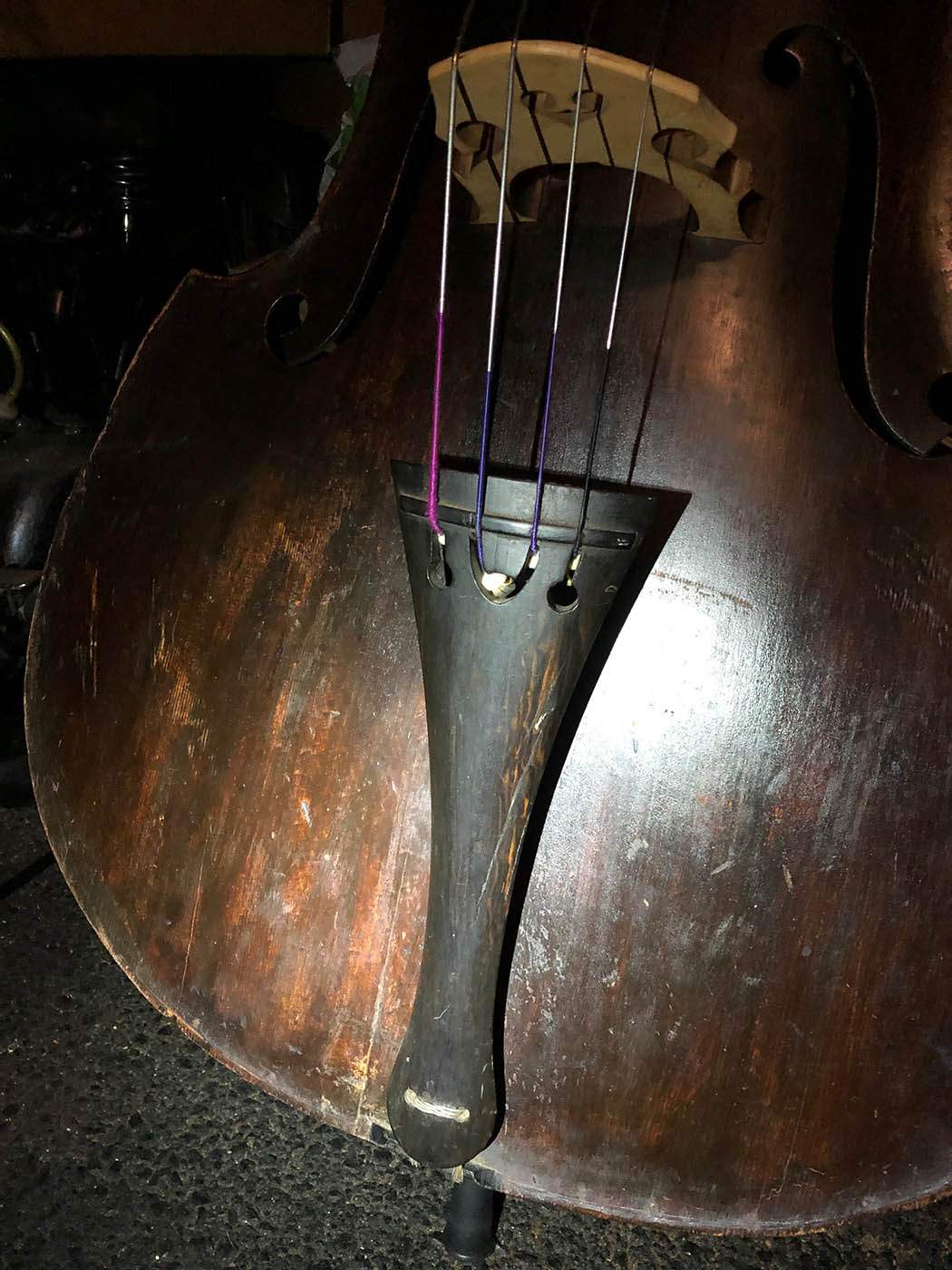
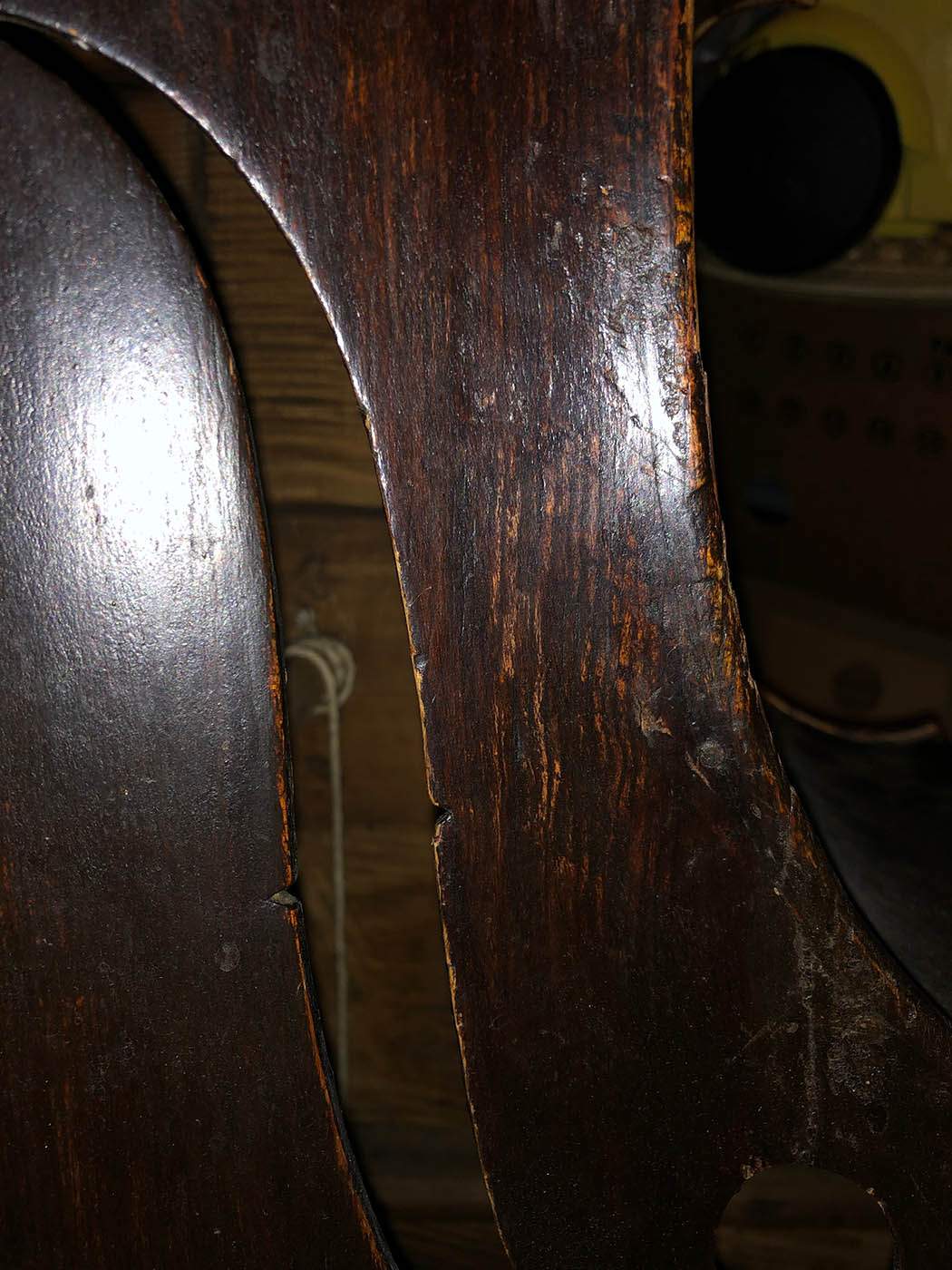
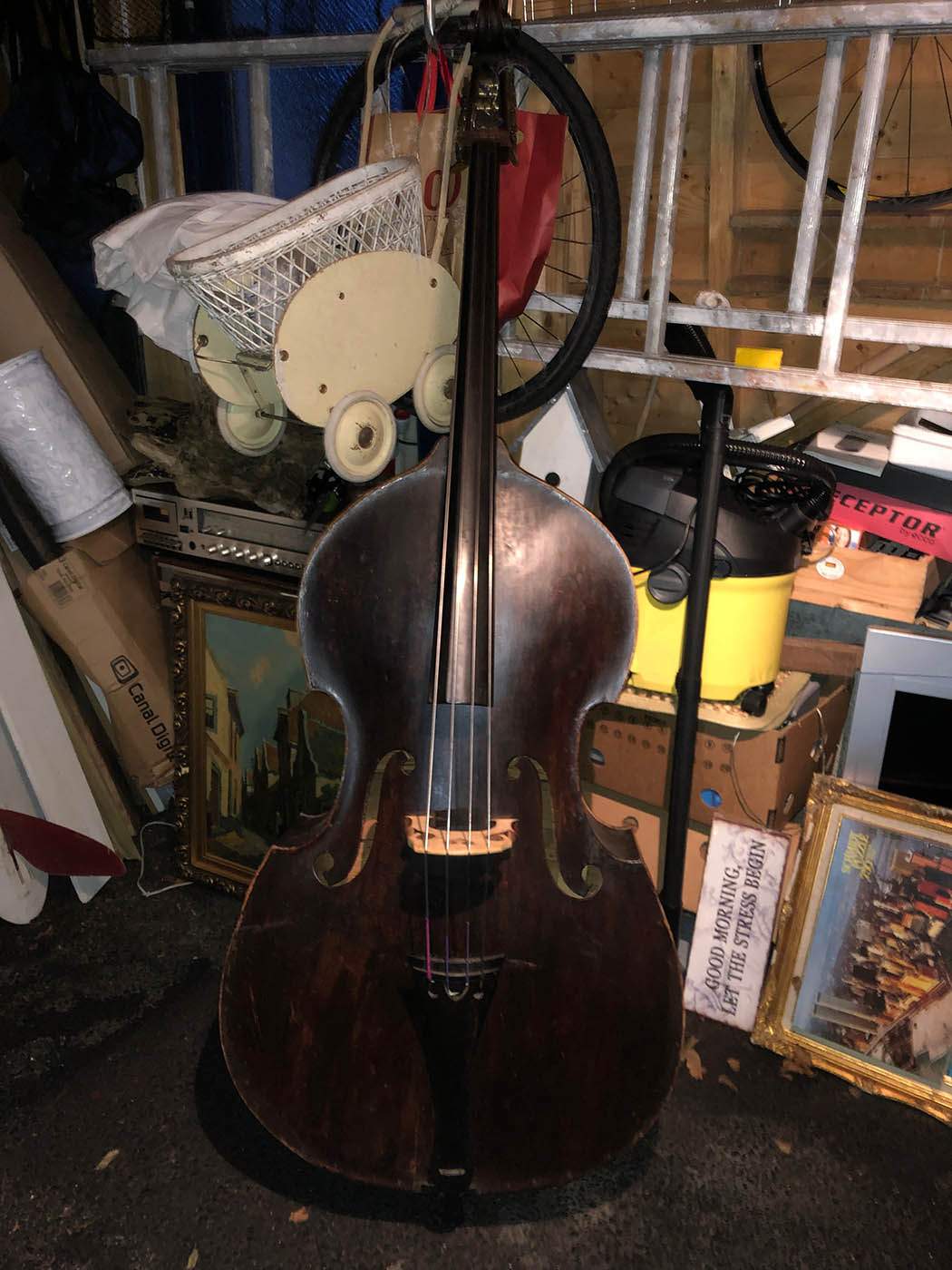
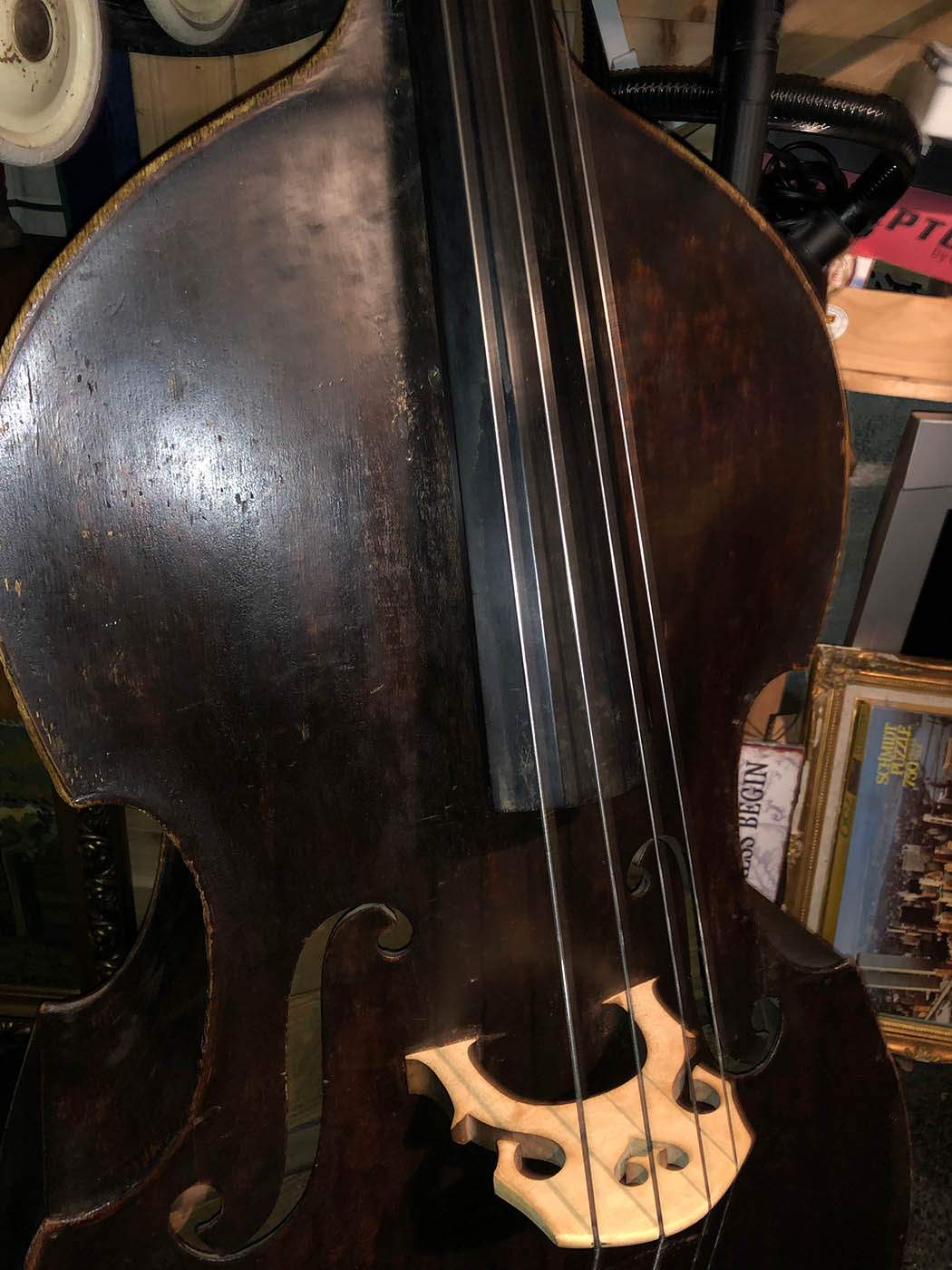
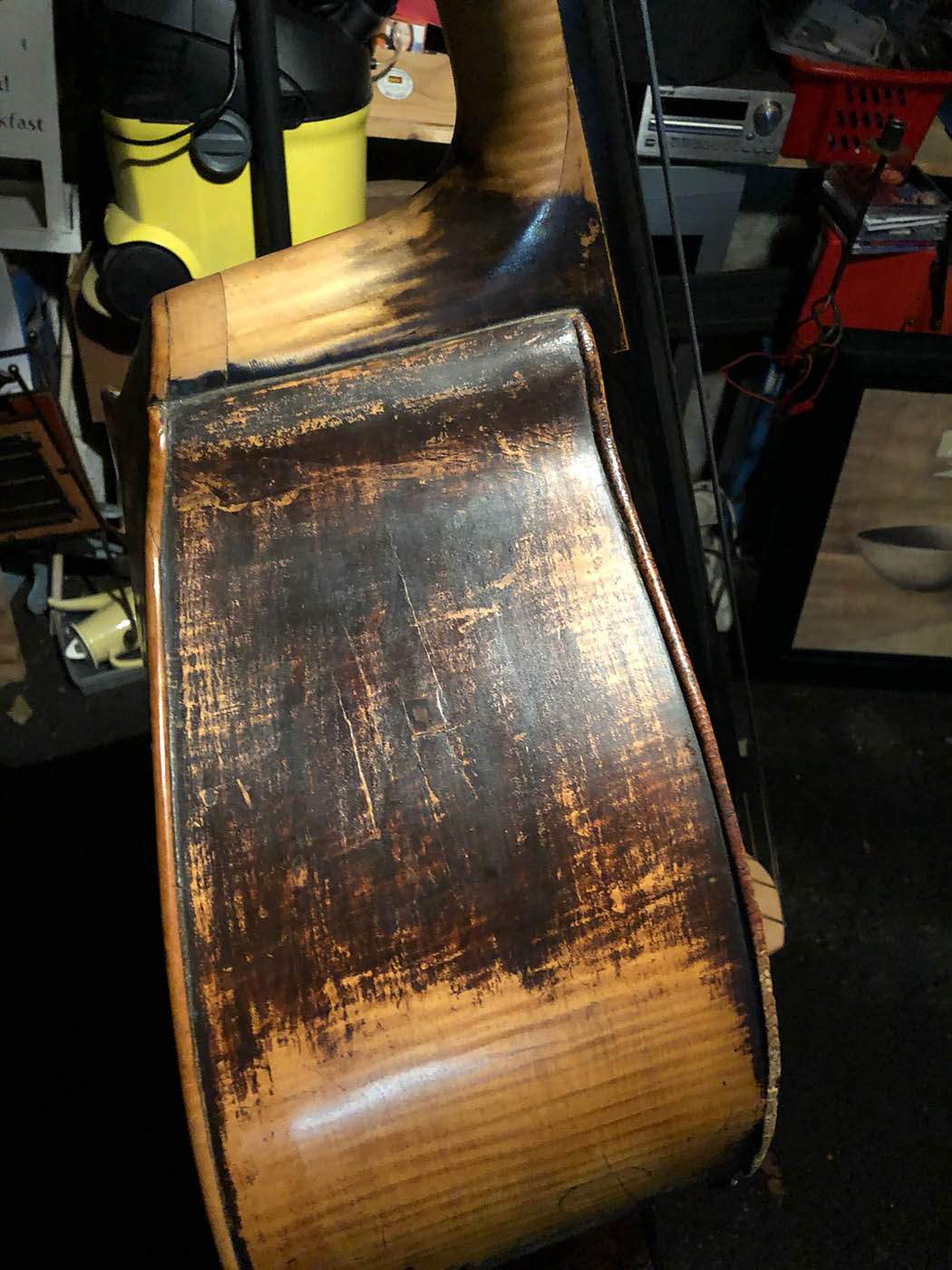
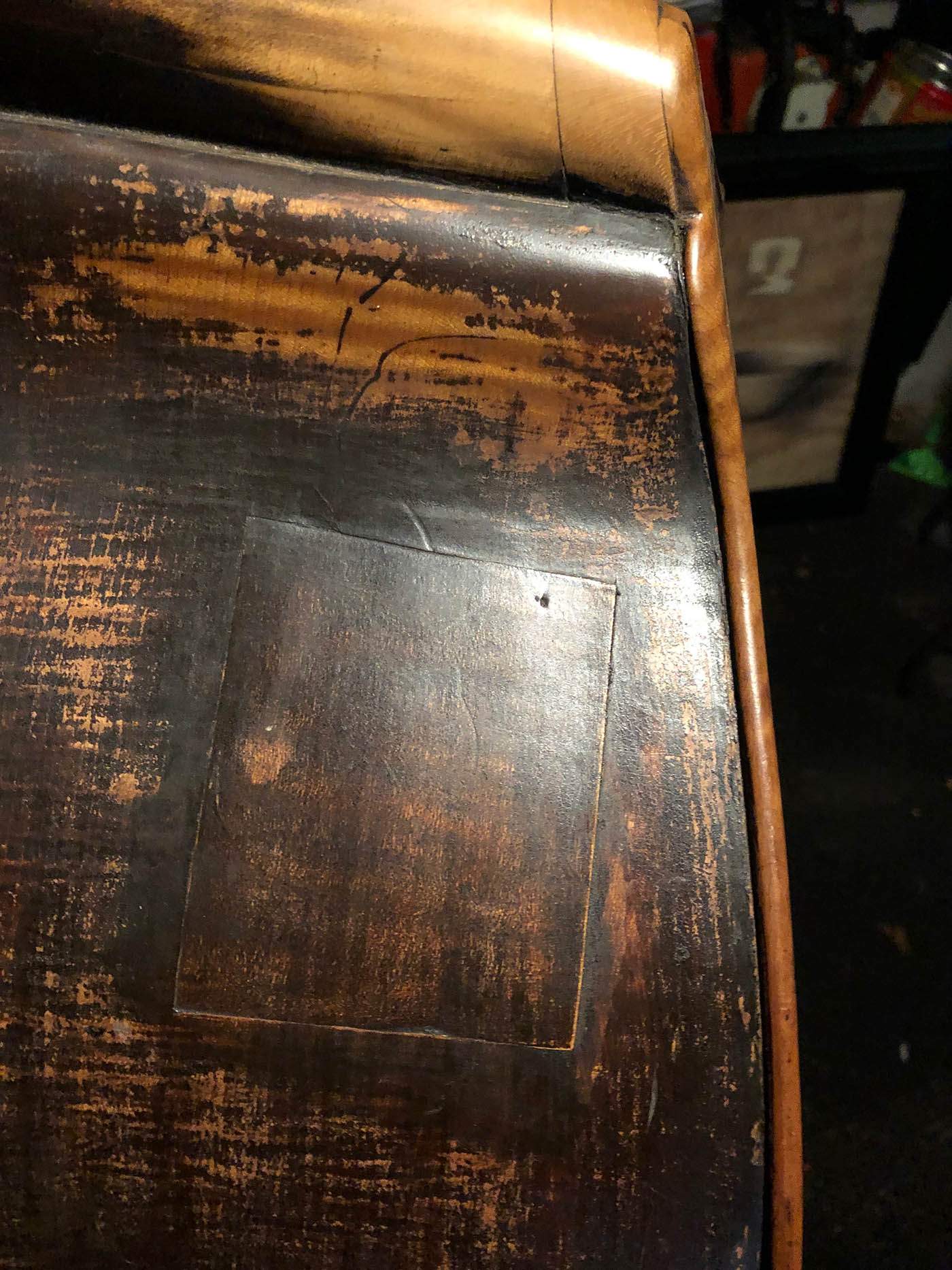
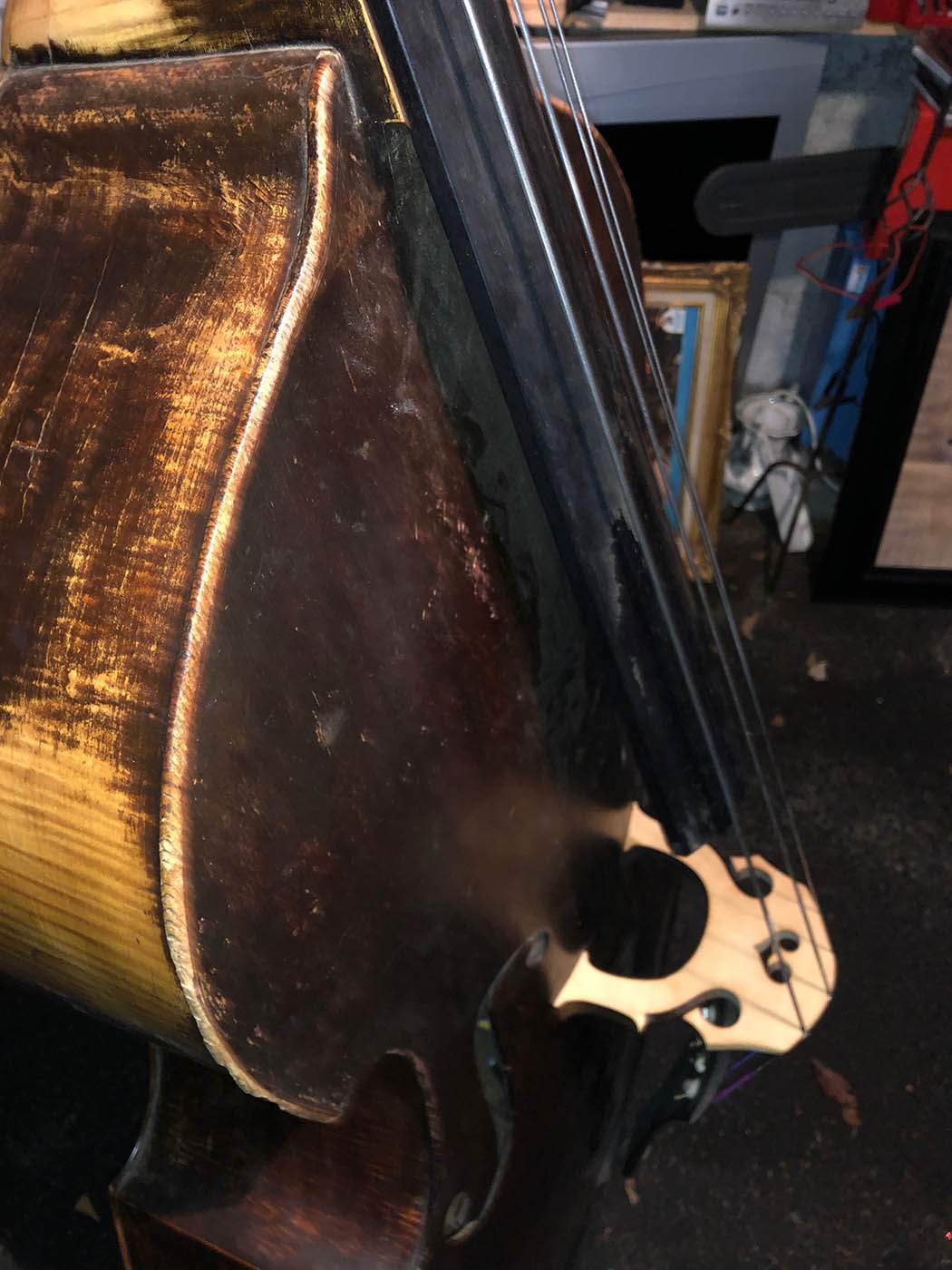
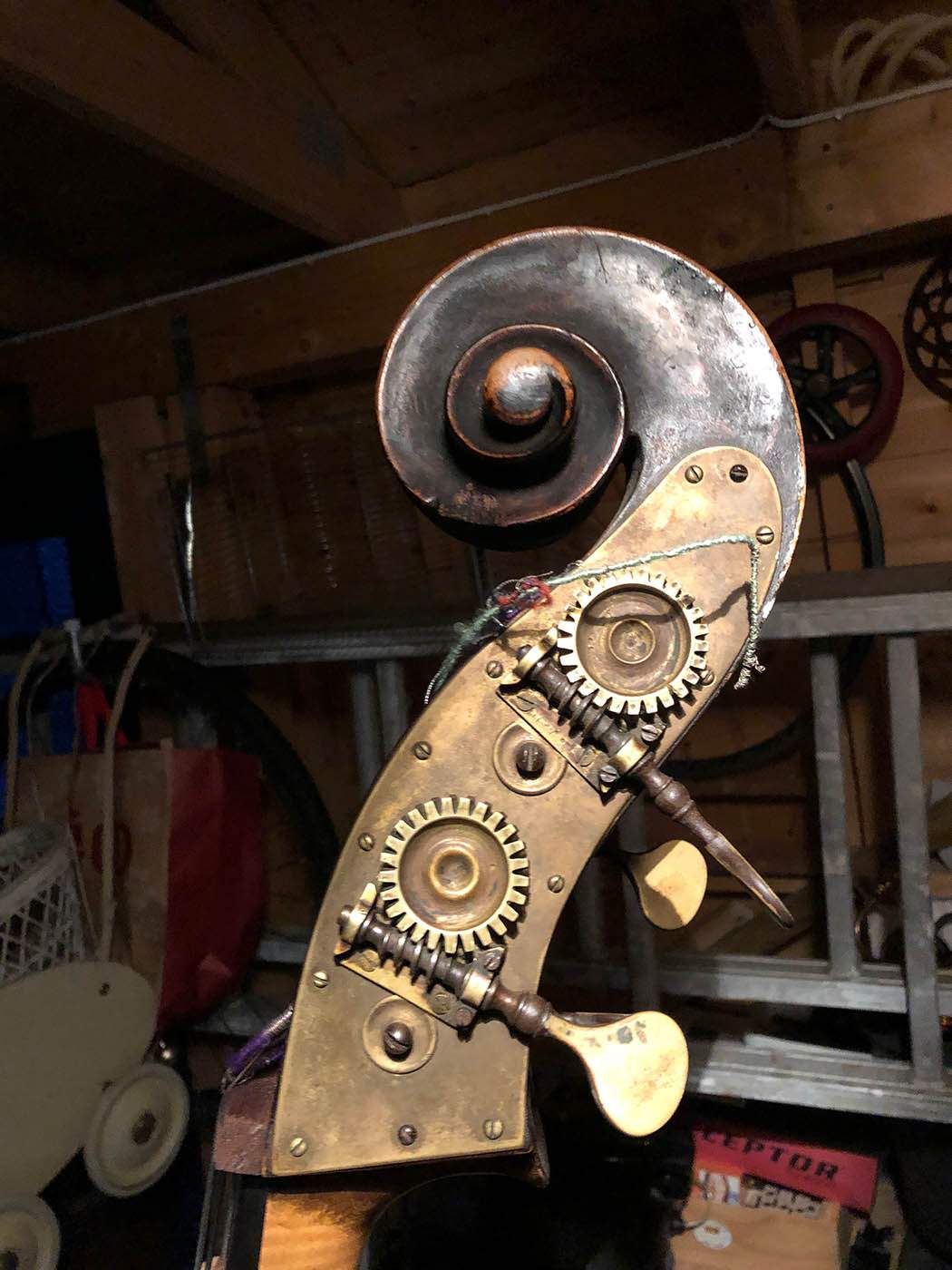
I came over this bass that apparently has been in town for many years. If anyone can say something about age, type, origin it would be interesting. So its a solid wood construction, horizontal and vertical braces on the back. The woods look nice and the shape and form of the top is beautiful. Looks like it has survived a war or two. It has some repairs. I suppose this what is called a blockless wonder? The nut is missing and the guy selling it put in something very temporary there just to get the strings up a little. Looks like it in desperate need of some love and care and probably a full restoration. Seems that the bridge is shaved down a little too much indicating the fingerboard dont anymore have the correct angle. Looks like it needs a proper luthier. There was some sound of it but difficult to tell the full potential as it was mileas away from having a proper setup.
IMG_1684.JPG
IMG_1685.JPG
IMG_1691.JPG
IMG_1705.JPG
IMG_1698.JPG
IMG_1697.JPG
IMG_1688.JPG
IMG_1692.JPG
IMG_1694.JPG
IMG_1687.JPG
IMG_1690.JPG
IMG_1686.JPG
 
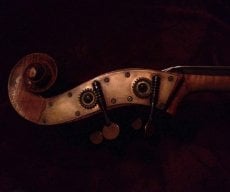
Some of these blockless basses have had the loveliest sound in my experience.The quality of the exposed wood grains and flaming of the front back and ribs is lovely and would make the project of restoration very worthwhile IMO. The brass cheek plates on the peg box would seem to be a later addition and may cover problems. Whoever made the nut, patched the rib and "varnished" the bass should be H, D and Q!! What size is the instrument and what is its mensure (string length)?
 
It’s not blockless, and I don’t believe it’s old.

im far from expert, but i agree it doesn't appear blockless -


what indicates age to your eyes? just curious -

i also agree that it looks like it could be worth restoring, just based on what appears to be quality wood. my bass is a generic "old german" that many of us would likely say "not worth restoring" if it was in sad shape, yet everyone who plays it remarks about what a great sound it has. some basses break all the rules and sound great when on paper they shouldent, and vise-versa.
 
  • Like
Reactions: statsc
Yes, it could very well be that it is not blockless. I guess a camera from inside could tell it. About size i am not sure but it felt kind of smallish compared to my 3/4. About age i also dont know other details than that the previous owner passed away and that it was bought abroad. Thanks for all comments by the. It will not be me buying it but hopefully somebody like to restore it.
 
As a complete instrument it doesn’t make sense.

Old-looking mishmashes of stylistic elements are often new Hungarian or Romanian instruments.

Look at it. Why are there multiple rib repairs but the top is pristine except for varnish deterioration?

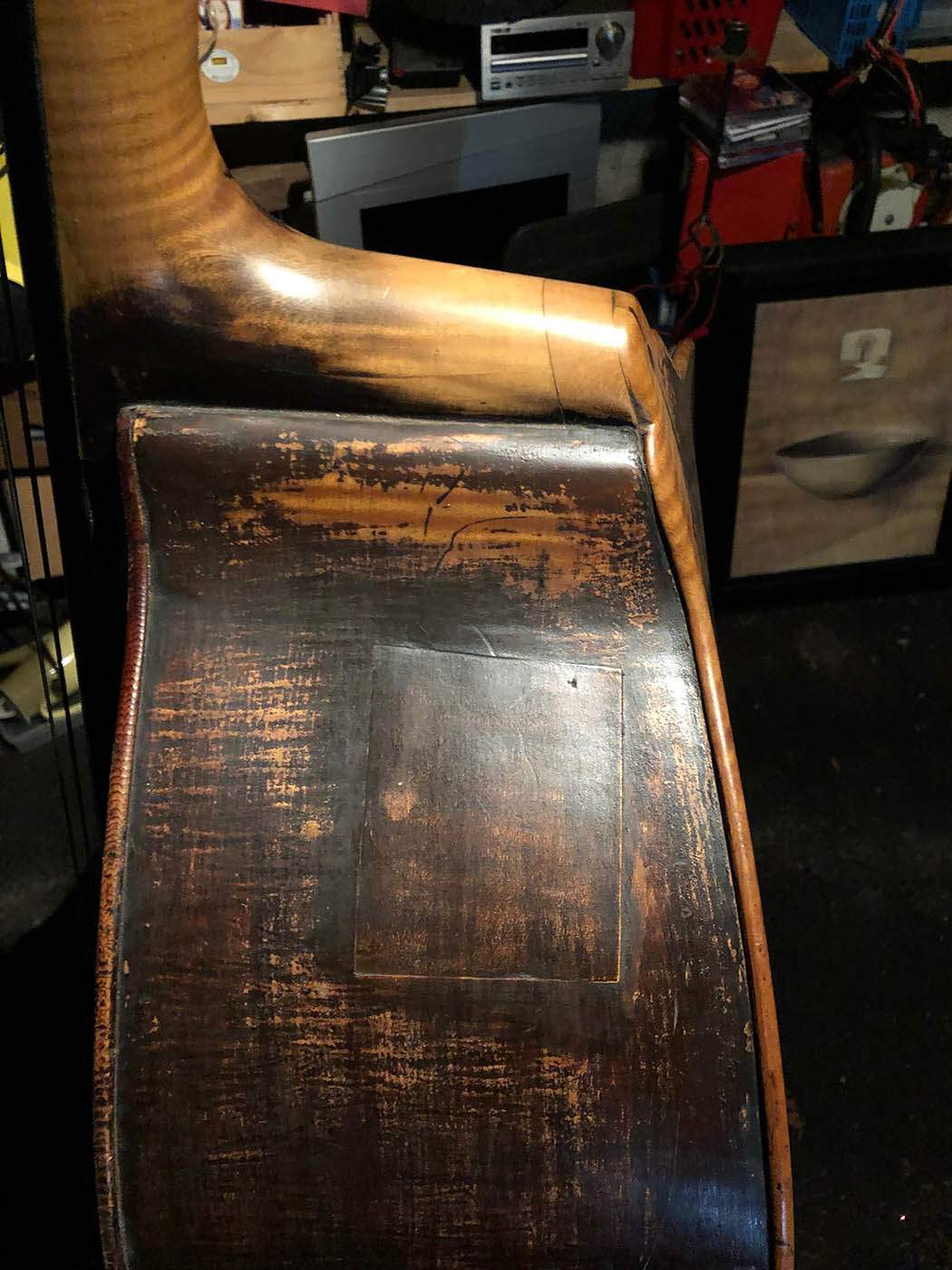
Why is the button worn clean in an unnatural way but the wood itself shows no wear or signs of age?
 
  • Like
Reactions: groooooove
There’s a lot of those out there, some by good luthiers who lean toward criminality by making fraudulent instruments rather than make an honest name for themselves.

that is true. i've heard of this from someone who worked in a well known violin shop years ago.

that said, there are also excellent makers who make fine new instruments and openly advertise the goal was to make a new instrument that looks old. i've seen some really cool examples of that as well. as others said, just like "relic" electric basses.

interesting point that the aging doesn't add up and feels mis-matched. i did not know this was a modern hungarian/romanian thing. good to know!
 
  • Like
Reactions: KUNGfuSHERIFF
I'm far from the most qualified person on this thread to opine, but the finish on the fingerboard concerns and confuses me. If it's ebony, why does it seem to have a finish layer? If it is not, why is the worn part also black?

I've seen "trap doors" like that, but they are usually on the lower bout near the soundpost, not on an upper bout on the bass side.

It looks like it's had more than one neck repair. If it's not old, but it's needed at least two neck repairs...

Again, I'm not an expert, but this bass is confusing to me.
 
  • Like
Reactions: Even Normann
I'm far from the most qualified person on this thread to opine, but the finish on the fingerboard concerns and confuses me. If it's ebony, why does it seem to have a finish layer? If it is not, why is the worn part also black?

That finish layer on the board looks like an "Ive never wiped my board down after playing layer"
Love the height of the strings at the 'nut' !!
 
As a complete instrument it doesn’t make sense.

Old-looking mishmashes of stylistic elements are often new Hungarian or Romanian instruments.

Look at it. Why are there multiple rib repairs but the top is pristine except for varnish deterioration?

Why is the button worn clean in an unnatural way but the wood itself shows no wear or signs of age?

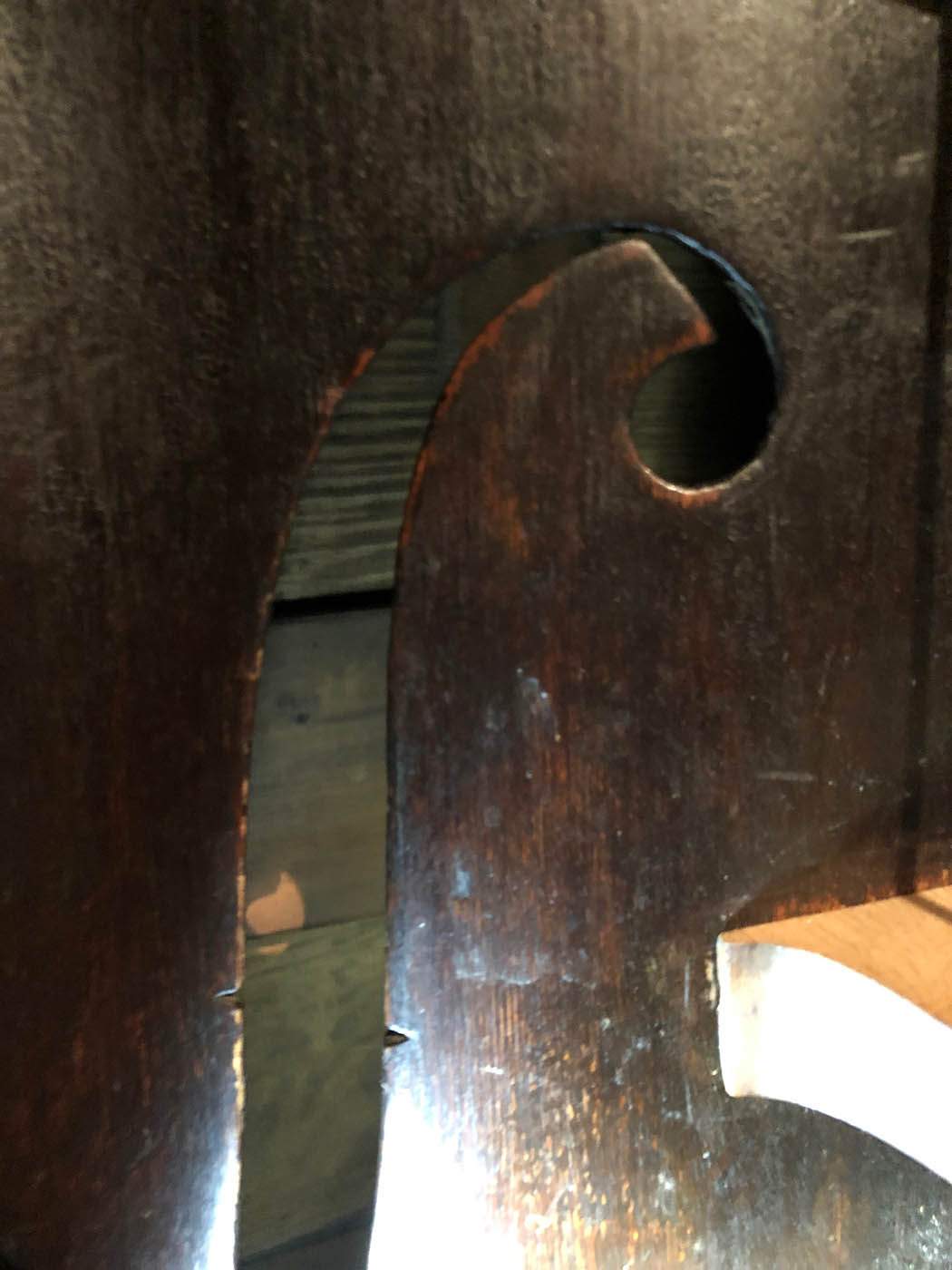
The neck looks replaced, and I believe I can see a saddle crack, and what could be an Fhole crack on the opposite side. I'm sure if we could take a look inside we would see some other repairs under that varnish, which might have been slapped on to hide something. I could see the top being newer. Doesn't appear to be blockless.