

Enjoy the benefits of a premium membership!
Upgrade Account
-
TalkBass has been independent since 1998. Add your voice.
Create a free account to reply to discussions, view embedded media, and browse with fewer display ads.
Join free Log in
Want zero display ads or expanded classifieds tools? Compare plans.
You are using an out of date browser. It may not display this or other websites correctly.
You should upgrade or use an alternative browser.
You should upgrade or use an alternative browser.
More options
Who Replied?

Just ran across this video yesterday, not sure if this is from someone here in the club, but it's the absolute best video example I've seen of the new Sadowsky Modern basses:
His playing is incredible of course, but the recording quality is crystal clear so you can really hear the tonal nuances.
Just thought I'd share in case folks here haven't seen it yet!
In order to alleviate a good amount of bass face, may I suggest an overstuffed cushion to sit on, or looser fitting shoes?
NBD!
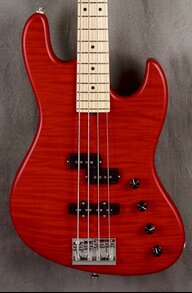
OK, not a NEW bass, but new to me. A 2016 Metro RV4 in Burgundy Mist.
Just picked this up from the TB classifieds last week. Came with 3 pick guards (tort, white, and white pearl) to suit my moods.
A nice compliment to my ‘09 MV5-PJ!
View attachment 3441993
Very nice, Jon!

There’s no need to oil a maple fingerboard as it already has a finish applied to it.Would these products also be suitable for treating a maple fingerboard?
There’s no need to oil a maple fingerboard as it already has a finish applied to it.
I suppose it could be a well worn maple fretboard, with little finish left...?

There’s no need to oil a maple fingerboard as it already has a finish applied to it.
So, what is the best way to care for a Sadowsky maple fingerboard?

So, what is the best way to care for a Sadowsky maple fingerboard?
With any maple fingerboard I treat it the same way I do the back of the neck. Clean it when I'm cleaning the bass and thats about it. It will inevitably start to show wear over the years as the finish wears off. Thats the whole reason that Leo Fender started using rosewood in the first place, he felt that the worn in maple looked bad on TV. Now that "ugly" wear is seen as a badge of honor.

That’s some interesting trivia didn’t know that!With any maple fingerboard I treat it the same way I do the back of the neck. Clean it when I'm cleaning the bass and thats about it. It will inevitably start to show wear over the years as the finish wears off. Thats the whole reason that Leo Fender started using rosewood in the first place, he felt that the worn in maple looked bad on TV. Now that "ugly" wear is seen as a badge of honor.
I love a good worn maple board personally.

I thought the use of rosewood had more to do with installing truss rods. Went from the solid neck with skunk strip rosewood to installing from the front and overlaying with rosewood fretboard. Maybe both?With any maple fingerboard I treat it the same way I do the back of the neck. Clean it when I'm cleaning the bass and thats about it. It will inevitably start to show wear over the years as the finish wears off. Thats the whole reason that Leo Fender started using rosewood in the first place, he felt that the worn in maple looked bad on TV. Now that "ugly" wear is seen as a badge of honor.

nope, they didn't discontinue maple when they started working with rosewood. besides, clearly, they can shave maple just like they can shave rosewood, so construction can be the same with maple if they so desire. non-issue.I thought the use of rosewood had more to do with installing truss rods. Went from the solid neck with skunk strip rosewood to installing from the front and overlaying with rosewood fretboard. Maybe both?
nah, even when you wear the finish off the surface, the wood itself is still sealed/protected by the part of the finish that's absorbed into the wood fiber. just with the fiber exposed, it traps dirt more, but it's still sealed/protected. just clean it off if you so desire. no need for additional treatments/oils.I suppose it could be a well worn maple fretboard, with little finish left...?


Would these products also be suitable for treating a maple fingerboard?
NO...only use our Everyday Polish on maple boards.
NO...only use our Everyday Polish on maple boards.
Thanks. So far I have been unable to find any stockists in the U.K. Perhaps GuitarGuitar could be encouraged to stock Sadowsky cleaning products.
Hey Vic. I was thinking it had to do with the solid neck/fretboard and going into the back to install the truss rod and then install the rosewood 'skunk strip' to close it up. Then instead changing the process and installing from the front and using rosewood to cover the front truss rod installation. Or somebody led me astray on one of them forumsnope, they didn't discontinue maple when they started working with rosewood. besides, clearly, they can shave maple just like they can shave rosewood, so construction can be the same with maple if they so desire. non-issue.


I prefer 'dirty' dark boards, like a vintage rosewood.'Fraid I agree with Leo. I really don't like the look of worn, patchy and dirty maple fretboards.
Luckily for me, ebony is readily available these days (not the 100% black stuff, that's naughty) which is even dirtier.
I've owned basses for 50 years and that F-One just melted into my boards like nothing else.
I have a half-empty Dunlop bottle here now.
Forget the fruit juice rubbish, just this from now on (and luckily I can get it in Australia very easily, not like most stuff).
Yeah, all I know is, a RW board means you can't have a one-piece neck, whereas with maple, you can clearly go either way. Since they've always offered both, I don't think a desire to change neck construction was the reason for the RW board. That's all I'm saying.Hey Vic. I was thinking it had to do with the solid neck/fretboard and going into the back to install the truss rod and then install the rosewood 'skunk strip' to close it up. Then instead changing the process and installing from the front and using rosewood to cover the front truss rod installation. Or somebody led me astray on one of them forums
FWIW.

- Apr 20, 2009
- 2,620
- 4,666
- Disclosures
- Endorsements: your name could be here, Mr. Sadowsky!
Yeah, all I know is, a RW board means you can't have a one-piece neck, whereas with maple, you can clearly go either way. Since they've always offered both, I don't think a desire to change neck construction was the reason for the RW board. That's all I'm saying.
FWIW.


