A P bass with a Kustom 2-15" bass amp was heaven- the Jazz, right under it. Gibson and Gretch basses were sort of off the beaten path. Foreign builts were jokes- real trash. I had blond bassman amps and they were great up to about 10:00 VC- wise. The Dual Showman with a 15' was a little better, but the Kustom was it, for sound. I had Acoustic "W" cabinet rigs, both 360 and and the 400 series, both great for funk and soul, but huge. But they were no good on a small stage- if you stood too close to them, you had no idea what the sound was like in the room, and all you heard was mids- no bottom at all.
My well missed P bass 0852 was a chore to play- a log of a neck, kind of heavy, and really not as well made as today's Squires. Cranking out funk, especially early Tower of Power and James Brown, was a physical exercise. Noisy pick- up, dead spots in the neck, the volume consistency per string was uneven, depending on where on the neck I was playing, but you learned to work with it, 'cause, to me, nothing sounded better when the band was playing. That single coil sound was perfect.
The main difference is, back then, you could make a decent living playing music. Club owners would gladly pay for a horn band, and I played in several back then, one with four horns and a four piece rhythm section plus singer. And we made great money and worked a lot. Five day a week gigs were not hard to get, either, and sometimes you could go a whole summer in one club at five days a week. And still pack it in the fall. Playing a lot, live, made you a good musician.
And, playing the same 70 tunes over and over, made me find places I could improvise a bit on the parts, without upsetting the groove. And listen to the drummer and figure out how the rhythm section worked together and where we could stretch out as a unit. I basically learned how the drummer played - what his fills were, how he set himself up to do a fill and what to listen for when he was going to throw something that was not on the recording. Which was half the time, since we were pretty improvisational with the parts. We learned how to heat up the tunes, create textures, breakdowns, etc., the things that would excite the audience.
And it was about the music, not about the poses or the looks or the attitude- you had to be able to play.
Recording was with a flip top or direct through a tube limiter. And the sessions were mostly all at once- every body play it at the same time, and get it in no more than three takes. So you better know how to play the tune right or have the chops to knock it out quick. 8 track recording is when I started, and many studios I went to had their old Ampex fours still in use. Razor blade editing, and Masters cut on a lathe.


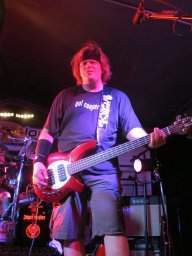






 What's funny is being left handed for years I never knew there were left handed guitars or did my parents. My first cheap acoustic in the 60's was a righty and I played it into the early 70's knowing nothing since I was the only one in my family that had any musicial interest of any kind (still Today)