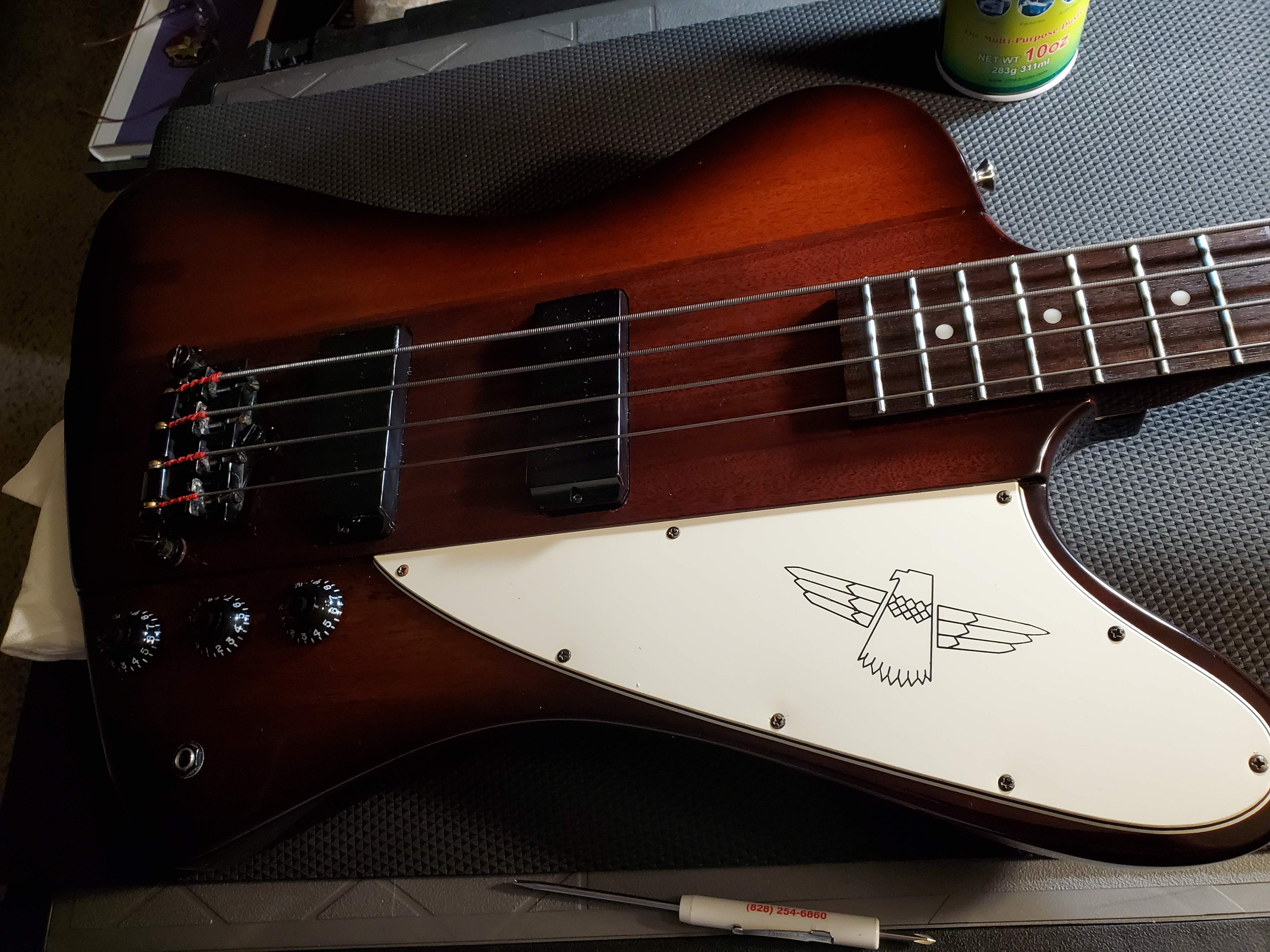
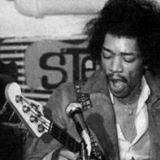
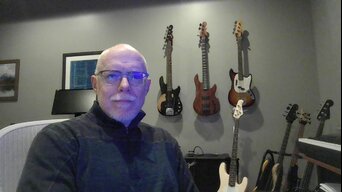
Not quite as cool but....
 View attachment 3960447
Nice!
Reminds me a bit of this:
A GUITAR’S JOURNEY
The saga of Jack Casady's Guild Starfire bass
by Loren Watts
So here we go, a good news story about a guitar, a story of good luck, a story of good timing, a story of a man who had something precious stolen and returned to him, 47 years later. There are five players involved in this story, Jack Casady; bass guitarist from the band Jefferson Airplane and Hot Tuna, and probably a few more I’m sure, next is Jorma Kaukonen; lead guitarist and vocals with Jefferson Airplane, and Hot Tuna, and also owner operator of the Fur Peace Ranch Guitar Workshop. The next player would be Don Aters, well known for his Rock band Photography and a documentary writer of the 60’s music scene. Moving on close to home, Seattle, Washington we have Leroy Webb; bass guitarist with the band Shaker featuring Diane Powell followed by the band Hands, and other local bands, last of all is myself Loren Watts; lead guitar and backup vocals with the band Hands and a few other bands that included Leroy Webb.
We’ll have to start now in the year 1969 after Woodstock, in the Seattle Center Coliseum, I believe the concerts there were called Teenfairs back then. There would be a few local bands playing outside during the day, followed by a national act inside the Coliseum. On October 11th, 1969, after having played Woodstock in August, Jefferson Airplane played at the Seattle Coliseum. Jack would have his beautiful custom made Guild Starfire bass guitar that was built in 1967, stolen along with a bag of Jorma’s personal belongings containing his passport.
Fast forward 9 years to 1978 my band Hands is looking for a new bass player, and we find a great one with Leroy Webb answering an ad in the paper. A year later, after preparing to bring the band Hands to the Northwest music scene, Leroy takes a job at our local horse racing track, Longacres, to keep himself going since musicians didn’t always have a steady income. During his days as a cook there he had told fellow employees he was a bass player, and an employee brought him a bass to look at and see if he was interested in buying it. It was a very beautiful guitar, a Guild Starfire with a lot of knobs, that made an electronics kind of guy like Leroy say yes I’ll buy it! He laid out $1800 to purchase that bad boy! That was a lot of money back then, and I don’t know how he was able to eat after the purchase. Leroy is the kind of guy that will buy cool stuff and then just hang on to it forever. A collector of fine things we’ll say. So this beautiful guitar was set aside for long periods at a time, being brought out to play once in a great while. I don’t think he ever played it at a gig. So from this point in time, in 1981, I would have a serious motorcycle accident that would disable me and cause me to take a new direction in life, video production, Leroy would play in a number of different versions of the band Hands, then in 1986 the band Hands came to an end, and I would see him just once in a while until 1995 when I decided to start a new original band called 3 Hands. Once again Leroy and I were back together again. This is where I stop talking about the bands and move forward to a new world of technology where people who might not ever have become friends, can meet in the world of Facebook, and talk about the past.
This is almost the home stretch. Jumping ahead to December 2015. While surfing thru many Facebook friends posts, (I follow things that are interesting to me like awesome pictures of famed musicians from the 60’s), I came across some pictures that were obviously taken by an extremely talented Photographer. The name of that man is Don Aters. I saw images of Janis Joplin and Big Brother and the Holding Company, Crosby, Stills and Nash, Neil Young, Joe Cocker, Jerry Garcia and the Grateful Dead, our own local guitarist Jerry Miller, Steven Tyler, and so many more images I was just blown away. Now also included, was Jefferson Airplane. At this point, seeing Don Aters amazing photographs, I decided I would send a friend request to him. I was happily surprised to have him friend me the next day. I think I was following his posts for a couple weeks, and somehow, I can’t remember how I came across it, who posted it, it may well have been Don that shared this post, but what I saw was Jack Casady, bassist for Jefferson Airplane, playing this cool bass guitar at Woodstock with the Airplane. Above the picture was a little story Jack had wrote saying “Stolen 1967 Modified Guild Starfire bass, Bass guitar was stolen from me in 1969, in Seattle, Washington after a Jefferson Airplane show… I would love to get it back… The second version resides in the Rock and Roll Hall of Fame, carving on electronics module cover done by Owsley Stanley… as well as electronics by Ron Wickersham … Headstock inlay, designed by Margaretta Kaukonen “… I only had to look once closely at the headstock and small wood plate in the body to know that this is the bass guitar Leroy has had since 1979!!! I saw this post January 5th 2016, the evening it was posted! The next day, I make the call to Leroy to tell him what I had come across! I asked him, would you like me to try to get it back to Jack and let him know you have his long lost ( 47 years to be precise ) Guild Starfire bass guitar ? He said yes go for it! Well, I contacted Don Aters January 8th, and sent a message to Jorma Kaukonen that same day, on a Facebook page that I found out later, was not a site that he runs. January 9th rolls around and I still have not heard from Jorma, and I get back to Don, who gets with Jorma and gives me an e-mail address on Jan. 13th, so I shoot an e-mail to Jorma. Now I get an e-mail back from Jorma the next day. He says Jack will flip when he finds out! Well the waiting game plays for a bit because we had to say goodbye to our Siberian Husky Nokki, then some good news for Jefferson Airplane, a notice of a well-deserved Grammy for lifetime achievement! So we are now at Jan. 21st and have decided to just have Jack told by Jorma that a stranger named Loren Watts is going to be calling him with some important
information, so he needs to unblock his phone for the call. Some time went by, taking us to January 28th, a sad day for Jefferson Airplane members and fans. Paul Kantner passes after a short stay in the hospital from a second heart attack and the complications afterwards. Now that would be more than enough sadness for one day, but there was more bad news to come that day, Signe Anderson Ettlin, the first singer for Jefferson Airplane, also passes that same day ! So knowing there’s a lot of sorrow surrounding the deaths of their friends, I decided to sit back and let some time pass. February 1st, I get another e-mail from Jorma asking what we were going to do. I was kind of tired of just e-mailing Jorma, and finally said please just give me a call, its tough feeling emotions from just typing back and forth. I knew it was that these guys don’t know me and have to be private about their lives, but I just wanted to hear a voice! That day finally came February 2nd 2016! Long story isn’t it? Well try being Jorma, Don, Jack, Leroy, and I thru all this, there was every emotion you can think of coming down upon all these players, and let me tell you there were extreme highs and extreme lows for everyone. Ok, next paragraph should be shorter, we are almost done …
February 2nd, 2016 7:15am my phone rings, I am sound asleep, and I just reach over to my phone and hit the ‘I’m not answering button’. Well, I remember the last thing I did last night, was ask Jorma to call me. So I sit up, grab my glasses, and look at the number for that call. It’s from Jorma’s home town, and he’s left a message and sent an e-mail apologizing for the early call. So I get up and give a call back and for the first time, I’m now talking to Jorma. I thought I would be a bit star struck, but he made me feel like we were old friends already. I really enjoyed talking with him! So we set the plan in motion. When he hung up, he called Jack Casady, and told him that this guy Loren Watts was going to call him, and he needed to answer the call and talk to me. I gave it a few minutes, and made the call to Jack! Now I admit I was a little afraid, not knowing Jack, him not knowing me, or why I would need to talk to him early in the morning. I just set all thoughts aside and said, Jack, my name is Loren Watts, and I know where your Guild Starfire Custom Bass is, and would like to reunite the guitar with you as soon as possible! To be honest, I really don’t remember the next words he said to me, but enough was said for Jack to know this was a good news day for him! We talked for quite a bit after I got my nerves under control, and just like with Jorma, it started to feel like I was just talking with an old friend. We talked about our animals, sent pictures back and forth of our animals, and I sent him a picture of his guitar as it looks now. The guitar had been re-finished after it was stolen, but it was still in pretty good condition for 47 years later!
So I was asked by Jorma to give him a call, just as soon as I was done talking to Jack, and I did just that right away. I make the call, and a lady answers, and introduces herself as Vanessa Kaukonen, and she says well he wanted me to answer if Loren called, so she took me to Jorma in the shower! Well at this point we are old friends anyway right! So I gave Jorma the scoop on my talk with Jack, and set about my next move to be made. Now there was only getting Leroy (remember Leroy?) Jacks phone number so he could talk directly to his favorite bass player in the world, and they could then work out the shipping details. So there was a bit of time for getting the bass back to Jack ASAP. Leroy thought he could just ship from his work, but that didn’t work as they had quit using FedEx. So, I took a little drive down to Leroy’s shop the next day and we made it a day of fun, taking some brand new pictures of the bass and Leroy and I getting it ready to ship home to Jack! We took some pictures then Leroy Ceremoniously put the guitar into my passenger seat, and seat belted it in for its final journey from Seattle to Los Angeles! I drove to Federal Way FedEx, where I showed the guitar to this nice young lady, and explained the importance of this guitar making it to Jack in perfect condition. She understood and said it would cost a bit more but she could do it. Do you think we are done with this story? No not quite! We tracked this guitar constantly as it traveled to all the stopping points along the way. It finally arrived safe and sound to Jack, and I only wish I could have been there to see his face as he opened the case! Jack did of course call with the arrival of his bass! Ok... almost done!
To bring this story about a guitar, and 5 guys to a close, the following week, I had the pleasure of watching Jack Casady, Marty Balin, China Kantner, and others arrive at the Grammy Awards Ceremony to be honored with the Lifetime Achievement Award in music!!!


 ).
).