
Enjoy the benefits of a premium membership!
Upgrade Account
-
TalkBass has been independent since 1998. Add your voice.
Create a free account to reply to discussions, view embedded media, and browse with fewer display ads.
Join free Log in
Want zero display ads or expanded classifieds tools? Compare plans.
You are using an out of date browser. It may not display this or other websites correctly.
You should upgrade or use an alternative browser.
You should upgrade or use an alternative browser.
Cool rock n roll photos
- Thread starter Chad-Chicago
- Start date
More options
Who Replied?

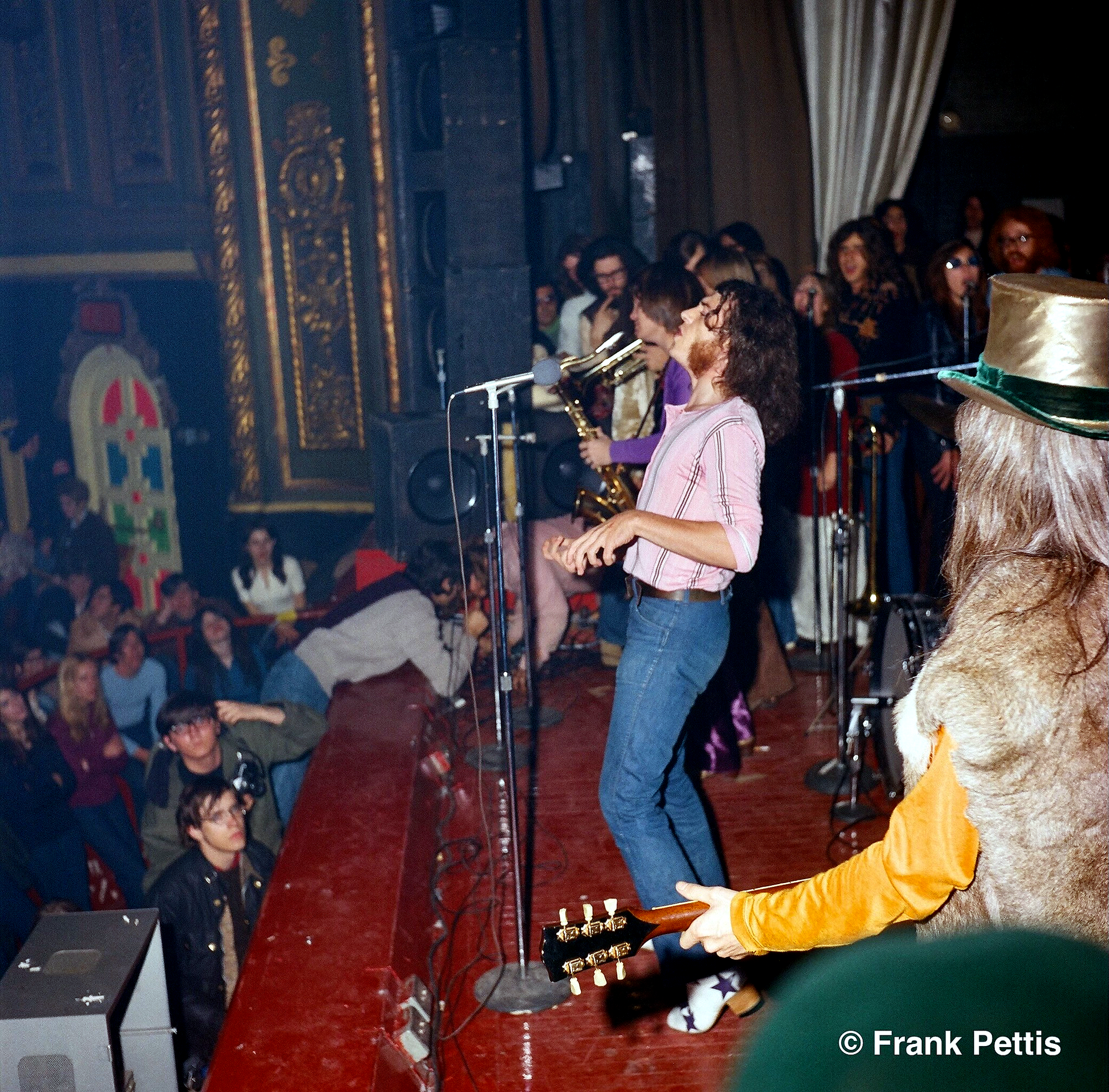
March 1970 (2 nights) at Detroit's Eastown Theater, kicking off the legendary 'Mad Dogs and Englishmen tour'
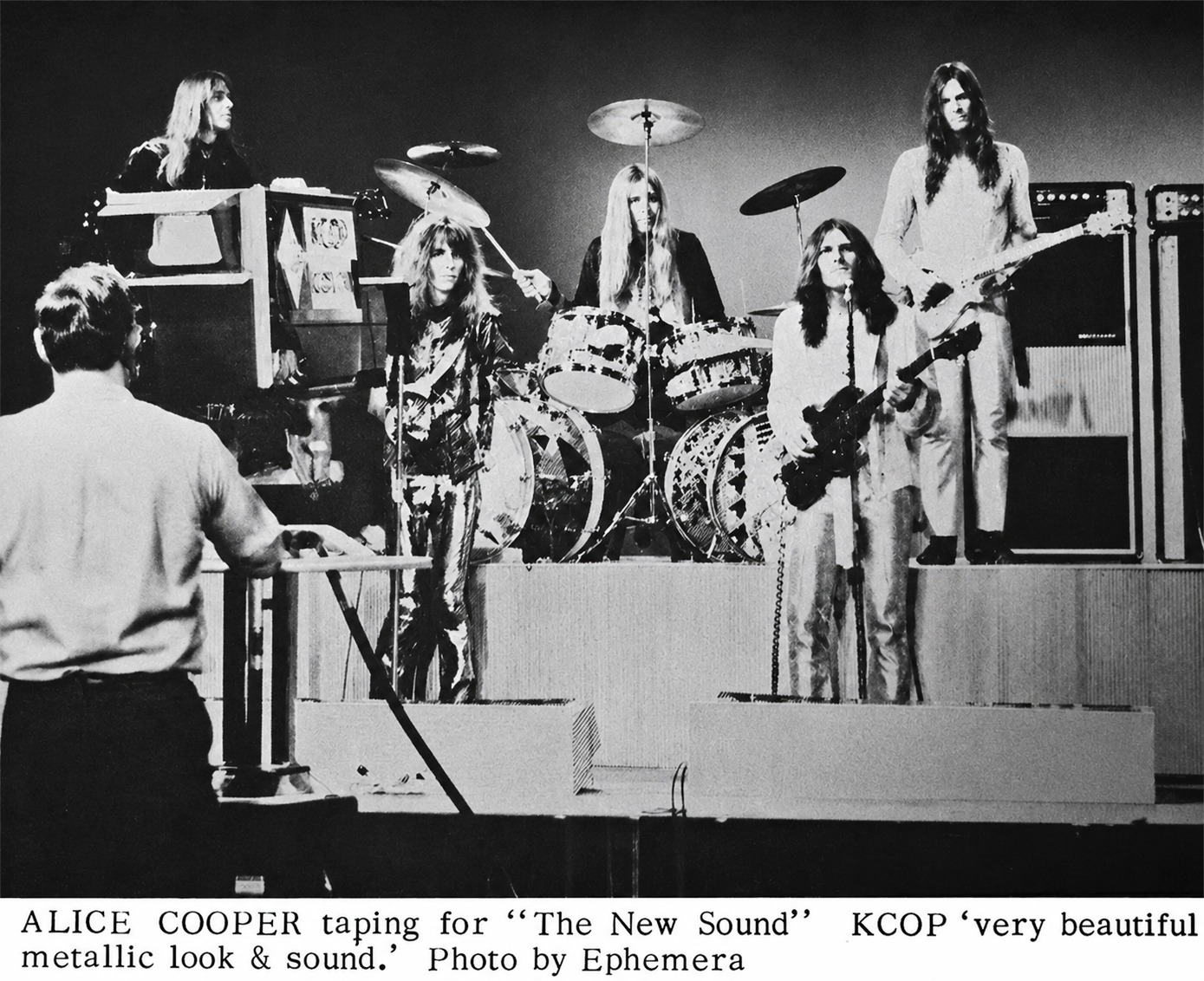
1969 credit teenage seamstress Cindy Smith-Dunaway for dressing and feeding the band while creating the upcoming GLAM scene


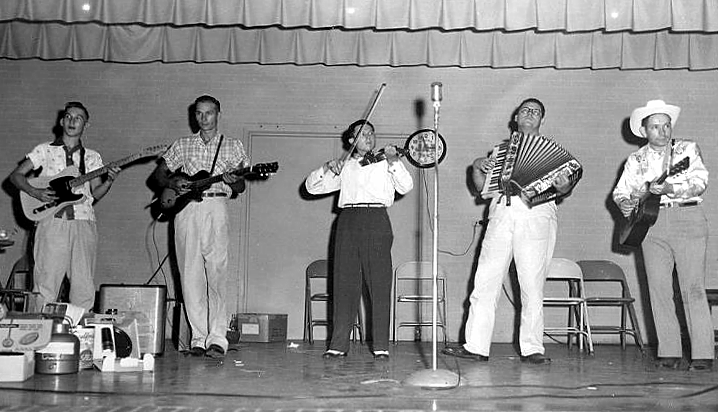
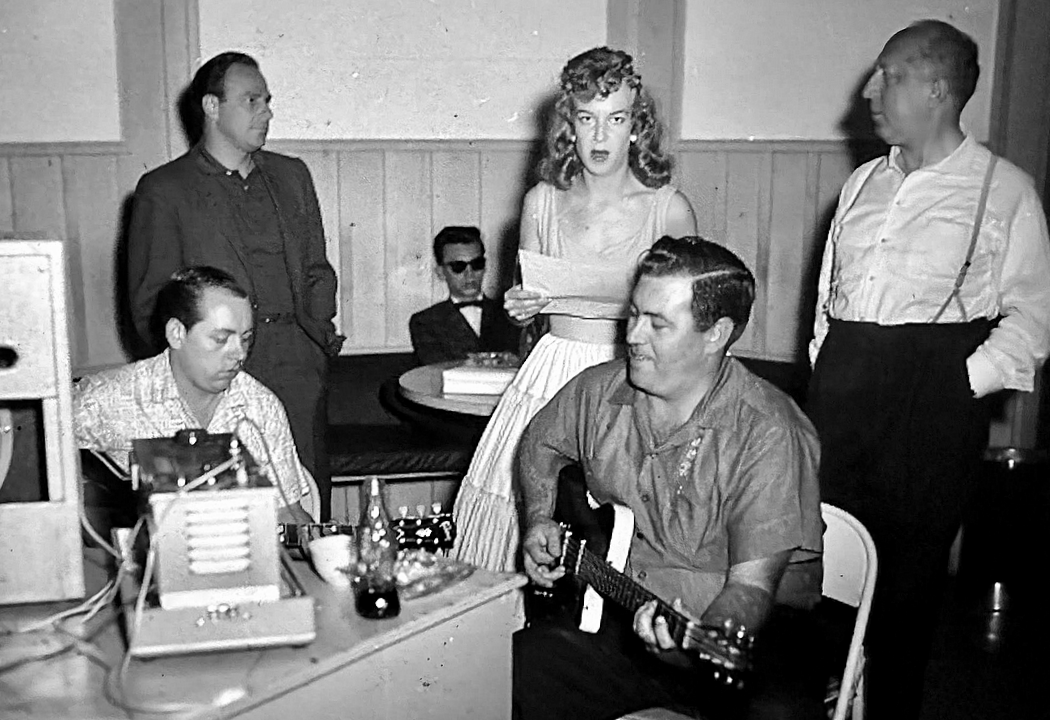
Tommy Cassell (billed as Tommy Cassel on his records) and his band. Tommy's on the far right, with a very young James Burton with a blackguard Telecaster. Sammy Mangham is also on electric guitar. Larry Bamburg is on fiddle and Bo Morgan is on accordion.

I caught up and coming young British band The Molotovs yesterday at a promo instore performance…
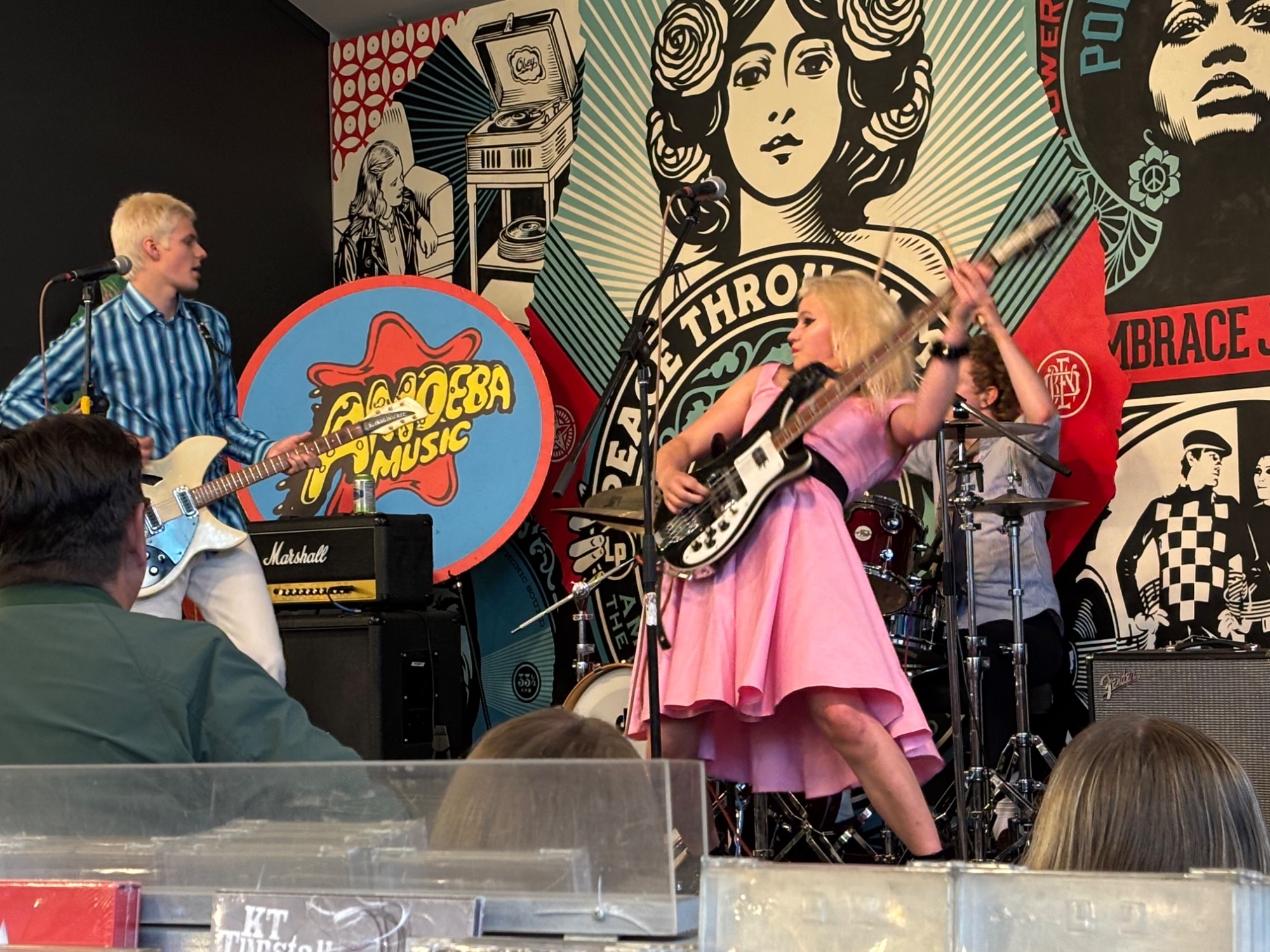
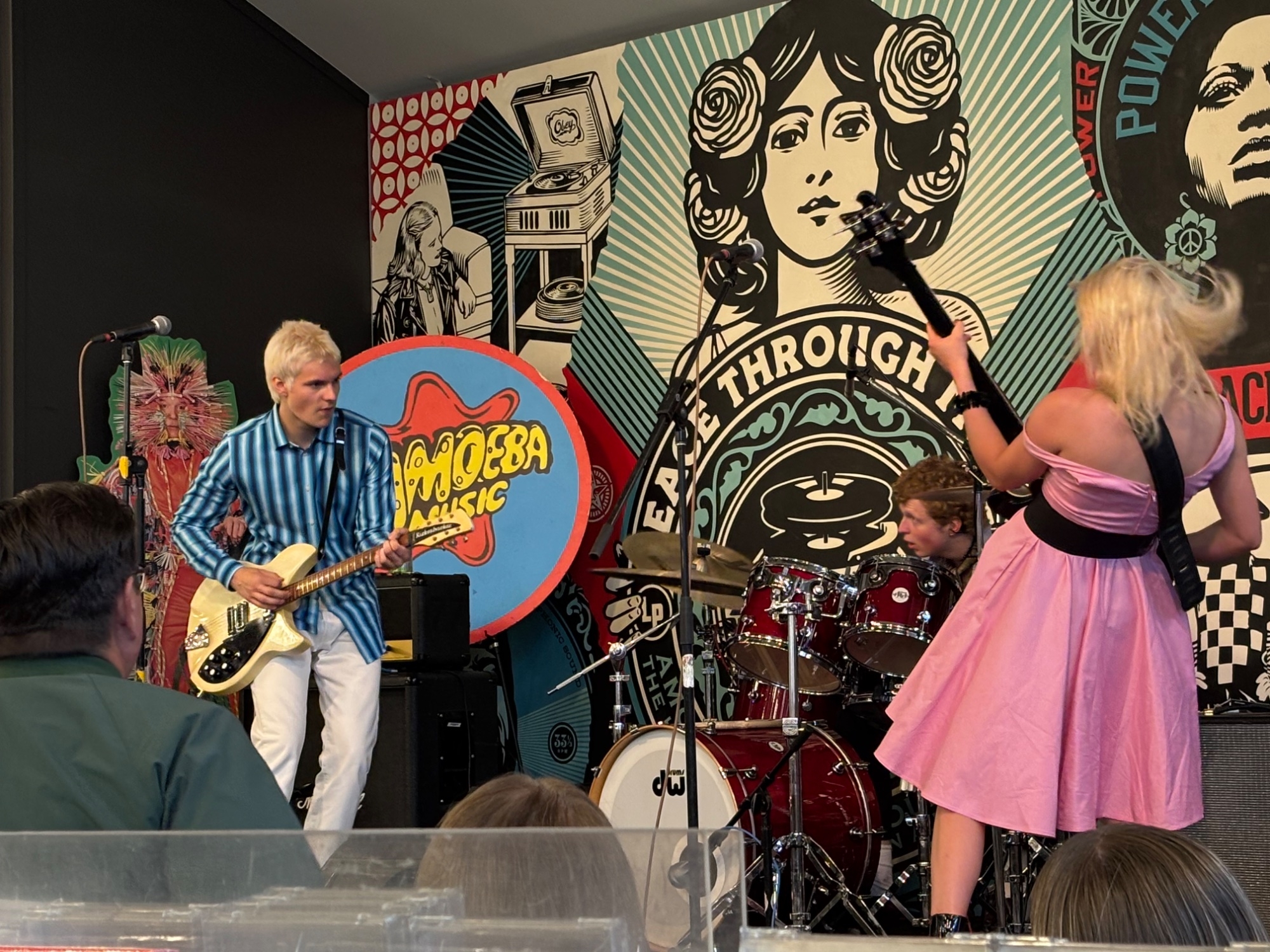
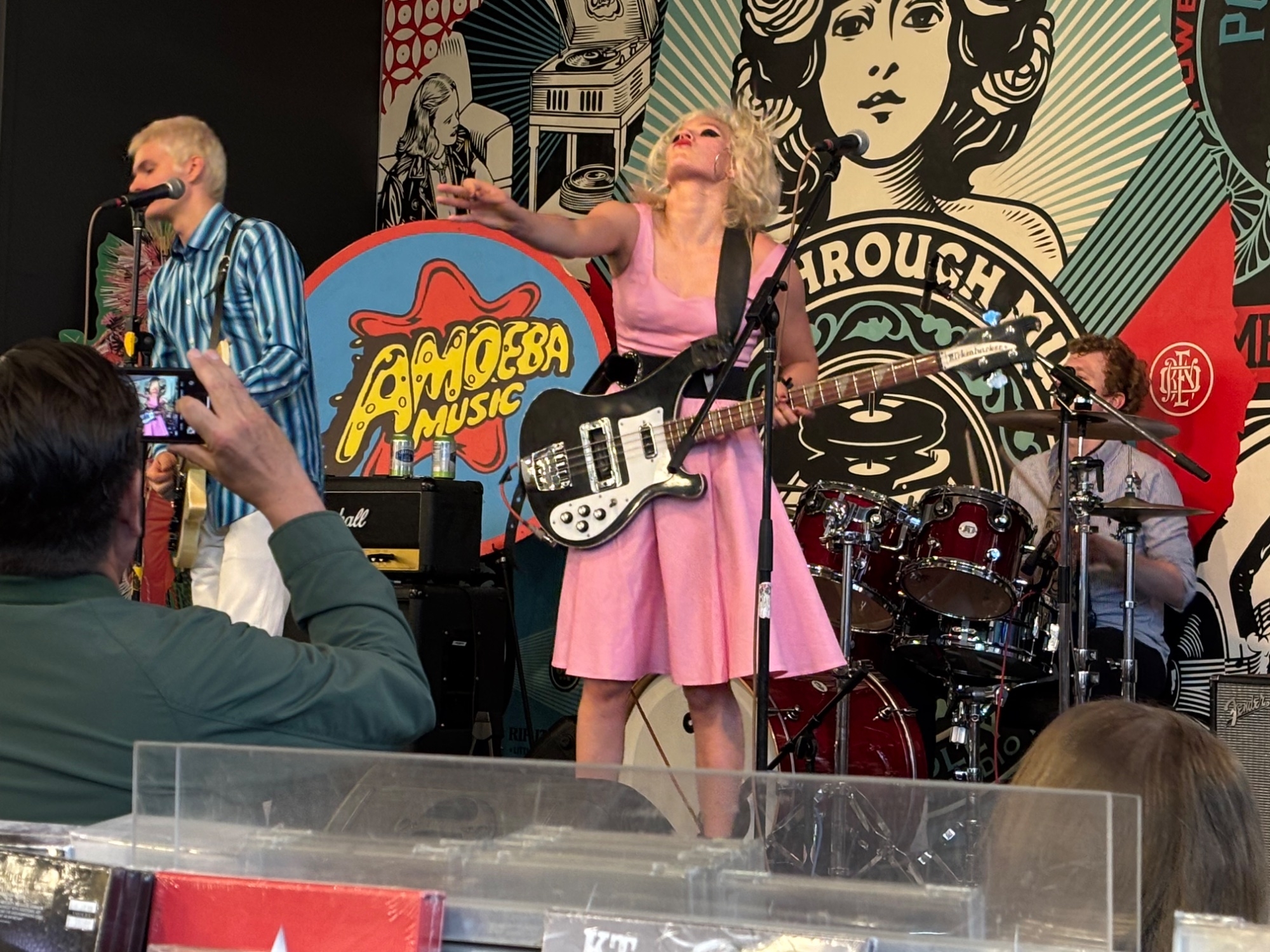
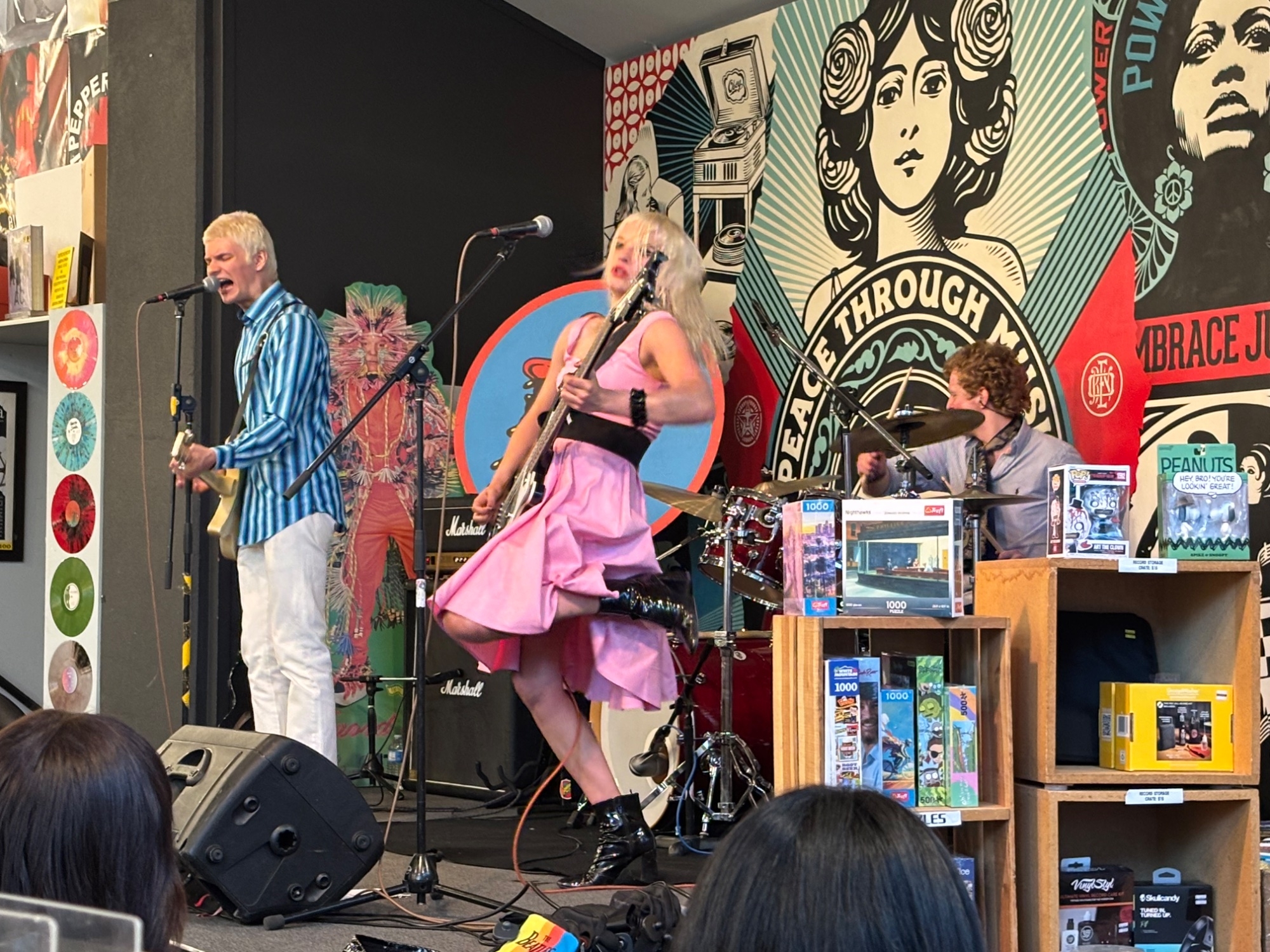
Siblings Matthew and Issey(and drummer), and while he is the lead singer/front person, she is a kinetic ball of energy, and riffs away fast and furious. A new bass goddess, or perhaps moddess, as their sound harkens back to The Jam. I acknowledge the criticism that they’re pulling a Greta Van Fleet on Weller, Foxton, and Buckler, and agree to a certain extent, but they’re doing a great job of it, I’m digging it, and after all, Who were The Jam pulling inspiration from? Matthew did make note that it was Townshend’s birthday yesterday. A new song they premiered showed some growth. I talked to him a bit afterwards, as he was looking for records by 70’s soul group Chairmen Of The Board.
Siblings Matthew and Issey(and drummer), and while he is the lead singer/front person, she is a kinetic ball of energy, and riffs away fast and furious. A new bass goddess, or perhaps moddess, as their sound harkens back to The Jam. I acknowledge the criticism that they’re pulling a Greta Van Fleet on Weller, Foxton, and Buckler, and agree to a certain extent, but they’re doing a great job of it, I’m digging it, and after all, Who were The Jam pulling inspiration from? Matthew did make note that it was Townshend’s birthday yesterday. A new song they premiered showed some growth. I talked to him a bit afterwards, as he was looking for records by 70’s soul group Chairmen Of The Board.
Last edited:
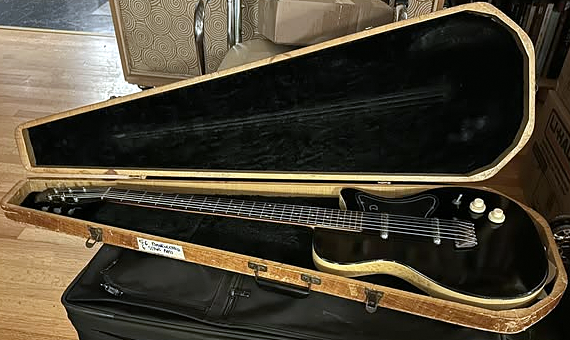
Deke now owns Grady Martin’s 1956 Danelectro 6-String Bass
''In 1956, Grady Martin brought the first Danelectro 6-string bass to Nashville. The instrument was brand new, a concept that Danelectro touted as a cross between a bass and a guitar. Grady was known for pioneering many things in his career, but rarely gets credited for thinking up the uses for a Danelectro 6-string bass in terms of Nashville recording sessions. He bought one of the new instruments and immediately began using it at recording sessions. The "tic tac bass," as it became known, was a valuable part of the Nashville session arsenal, often doubling the parts played by the upright bass player and the left hand of the piano player--which created a thick, beefy, full-fidelity sound. It's a sound you would recognize from a thousand hits, but just think about records like Patsy Cline's "I Fall To Pieces," as a perfect example. By 1958, Harold Bradley (Owen Bradley's brother) had a copper-colored Danelectro 6-string bass, and Harold became known as the 'tic tac bass' guy, although Grady started the craze in Nashville. Today, it's part of any session guy's arsenal, usually as a Baritone guitar (tuned B to B or A to A), but in the 1950s, all that was offered was the 6-string bass.
Grady played this Danelectro 6-string bass on some of my very favorite records of all time, records like Johnny Horton's "Honky Tonk Hardwood Floor" (just listen to that intro!), and "The Wild One" and "Sugar Coated Baby." Once Hank Garland came in to the Nashville session scene (around 1957-1958) in a big way, Grady would often play 6-string bass while Hank Garland played the lead guitar parts. During this time, Grady played this bass on records by Elvis Presley (CHECK OUT THE PHOTO OF ELVIS HOLDING THIS VERY 6-STRING BASS--GOOD LORD!), Brenda Lee, Roy Orbison, and at least a couple of Patsy Cline sessions in 1958-1959 (I don't think Grady played the 6-string bass on any of her big hits, but this bass is on at least 2-3 sessions before Harold Bradley became "the guy" who played on all of her big hits).
And, perhaps most importantly, the very first fuzztone electronic effect was recorded with this bass, in 1960. Think I'm kidding? It's true.
Marty Robbins was in Nashville at Owen Bradley's studio, recording a song called "Don't Worry About Me." Grady was playing the tic tac bass on the session. Midway through the session, one of the channels on the mixing board began to malfunction, and a distorted, overdriven sound came out of the speakers when Grady played the Danelectro.
The engineer on the session was a man named Glen Snoddy. Snoddy went to replace the malfunctioning channel, but Grady Martin, in his infinite wisdom, said: "Wait a minute, it's got an unusual sound--let's use it on the record."
Go listen to Marty Robbins' "Don't Worry About Me" and wait for the solo. When that fuzz 6-string bass kicks in, it's the funkiest thing ever. It's just wild. And it's Grady, playing THIS bass.
Grady used the malfunctioning channel and the 6-string bass on a few other recordings of the era, and on a couple of his own solo singles, "The Fuzz" and "Twist and Turn." By 1961, they had a name for it: FUZZ.
Glen Snoddy, the engineer who was on the 1960 Marty Robbins section, figured that it wouldn't be too difficult to make a device that would replicate the fuzz sound. He designed a transistor circuit that was simple, battery powered, and could be mounted in a foot pedal. He took his design to Gibson in Michigan, and they licensed his design and released the first commercially available fuzz pedal, the Maestro "Fuzz Tone," in 1962.
Gibson didn't really know what to do with it--they released a demonstration record showing how the fuzz tone could be used to sound like various brass and woodwind instruments. It wasn't until some young rock and rollers got their hands on a Maestro Fuzz Tone that they figured out the deal: It just makes a hell of a racket. Keith Richards used a Maestro Fuzz Tone on the Rolling Stones "Satisfaction" in 1964, and soon every teenage rock and roll band was playing distorted fuzz tone guitar and annoying the crap out of their neighbors and their moms and dads. And it all happened because of Grady Martin, playing THIS bass, on a Marty Robbins country-western session in 1960.
This bass has a ton of history behind it, and Grady Martin is one of my favorite guitarists of all time. That would have been enough for me to lust after this instrument. But I can say this--I have an original 1959 Danelectro 6-string bass. I have a reissue from the 90s. I've played ten or twelve original 1950s and early 1960s Danelectro 6-string basses over the years. They were all cool and sounded great.
But this one is magical. I don't know what it is about this one. But it's like the Danelectro guys made this one on the best day they ever had. The neck is magic. The pickups and the rest of the parts are the best ones I've ever heard. The body feels different, more solid, I don't know how else to put it. What I remember is picking this one up at Gruhn's back in 2011 and thinking, "holy moley--this is a SERIOUS instrument." I got those same goosebumps today when I bought the guitar from Tom.''
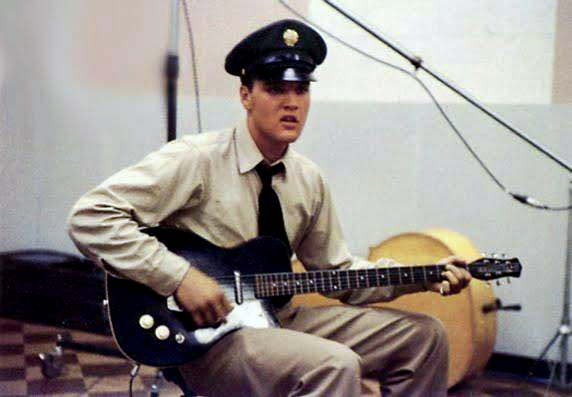
with Hank Garland
''In 1956, Grady Martin brought the first Danelectro 6-string bass to Nashville. The instrument was brand new, a concept that Danelectro touted as a cross between a bass and a guitar. Grady was known for pioneering many things in his career, but rarely gets credited for thinking up the uses for a Danelectro 6-string bass in terms of Nashville recording sessions. He bought one of the new instruments and immediately began using it at recording sessions. The "tic tac bass," as it became known, was a valuable part of the Nashville session arsenal, often doubling the parts played by the upright bass player and the left hand of the piano player--which created a thick, beefy, full-fidelity sound. It's a sound you would recognize from a thousand hits, but just think about records like Patsy Cline's "I Fall To Pieces," as a perfect example. By 1958, Harold Bradley (Owen Bradley's brother) had a copper-colored Danelectro 6-string bass, and Harold became known as the 'tic tac bass' guy, although Grady started the craze in Nashville. Today, it's part of any session guy's arsenal, usually as a Baritone guitar (tuned B to B or A to A), but in the 1950s, all that was offered was the 6-string bass.
Grady played this Danelectro 6-string bass on some of my very favorite records of all time, records like Johnny Horton's "Honky Tonk Hardwood Floor" (just listen to that intro!), and "The Wild One" and "Sugar Coated Baby." Once Hank Garland came in to the Nashville session scene (around 1957-1958) in a big way, Grady would often play 6-string bass while Hank Garland played the lead guitar parts. During this time, Grady played this bass on records by Elvis Presley (CHECK OUT THE PHOTO OF ELVIS HOLDING THIS VERY 6-STRING BASS--GOOD LORD!), Brenda Lee, Roy Orbison, and at least a couple of Patsy Cline sessions in 1958-1959 (I don't think Grady played the 6-string bass on any of her big hits, but this bass is on at least 2-3 sessions before Harold Bradley became "the guy" who played on all of her big hits).
And, perhaps most importantly, the very first fuzztone electronic effect was recorded with this bass, in 1960. Think I'm kidding? It's true.
Marty Robbins was in Nashville at Owen Bradley's studio, recording a song called "Don't Worry About Me." Grady was playing the tic tac bass on the session. Midway through the session, one of the channels on the mixing board began to malfunction, and a distorted, overdriven sound came out of the speakers when Grady played the Danelectro.
The engineer on the session was a man named Glen Snoddy. Snoddy went to replace the malfunctioning channel, but Grady Martin, in his infinite wisdom, said: "Wait a minute, it's got an unusual sound--let's use it on the record."
Go listen to Marty Robbins' "Don't Worry About Me" and wait for the solo. When that fuzz 6-string bass kicks in, it's the funkiest thing ever. It's just wild. And it's Grady, playing THIS bass.
Grady used the malfunctioning channel and the 6-string bass on a few other recordings of the era, and on a couple of his own solo singles, "The Fuzz" and "Twist and Turn." By 1961, they had a name for it: FUZZ.
Glen Snoddy, the engineer who was on the 1960 Marty Robbins section, figured that it wouldn't be too difficult to make a device that would replicate the fuzz sound. He designed a transistor circuit that was simple, battery powered, and could be mounted in a foot pedal. He took his design to Gibson in Michigan, and they licensed his design and released the first commercially available fuzz pedal, the Maestro "Fuzz Tone," in 1962.
Gibson didn't really know what to do with it--they released a demonstration record showing how the fuzz tone could be used to sound like various brass and woodwind instruments. It wasn't until some young rock and rollers got their hands on a Maestro Fuzz Tone that they figured out the deal: It just makes a hell of a racket. Keith Richards used a Maestro Fuzz Tone on the Rolling Stones "Satisfaction" in 1964, and soon every teenage rock and roll band was playing distorted fuzz tone guitar and annoying the crap out of their neighbors and their moms and dads. And it all happened because of Grady Martin, playing THIS bass, on a Marty Robbins country-western session in 1960.
This bass has a ton of history behind it, and Grady Martin is one of my favorite guitarists of all time. That would have been enough for me to lust after this instrument. But I can say this--I have an original 1959 Danelectro 6-string bass. I have a reissue from the 90s. I've played ten or twelve original 1950s and early 1960s Danelectro 6-string basses over the years. They were all cool and sounded great.
But this one is magical. I don't know what it is about this one. But it's like the Danelectro guys made this one on the best day they ever had. The neck is magic. The pickups and the rest of the parts are the best ones I've ever heard. The body feels different, more solid, I don't know how else to put it. What I remember is picking this one up at Gruhn's back in 2011 and thinking, "holy moley--this is a SERIOUS instrument." I got those same goosebumps today when I bought the guitar from Tom.''
with Hank Garland
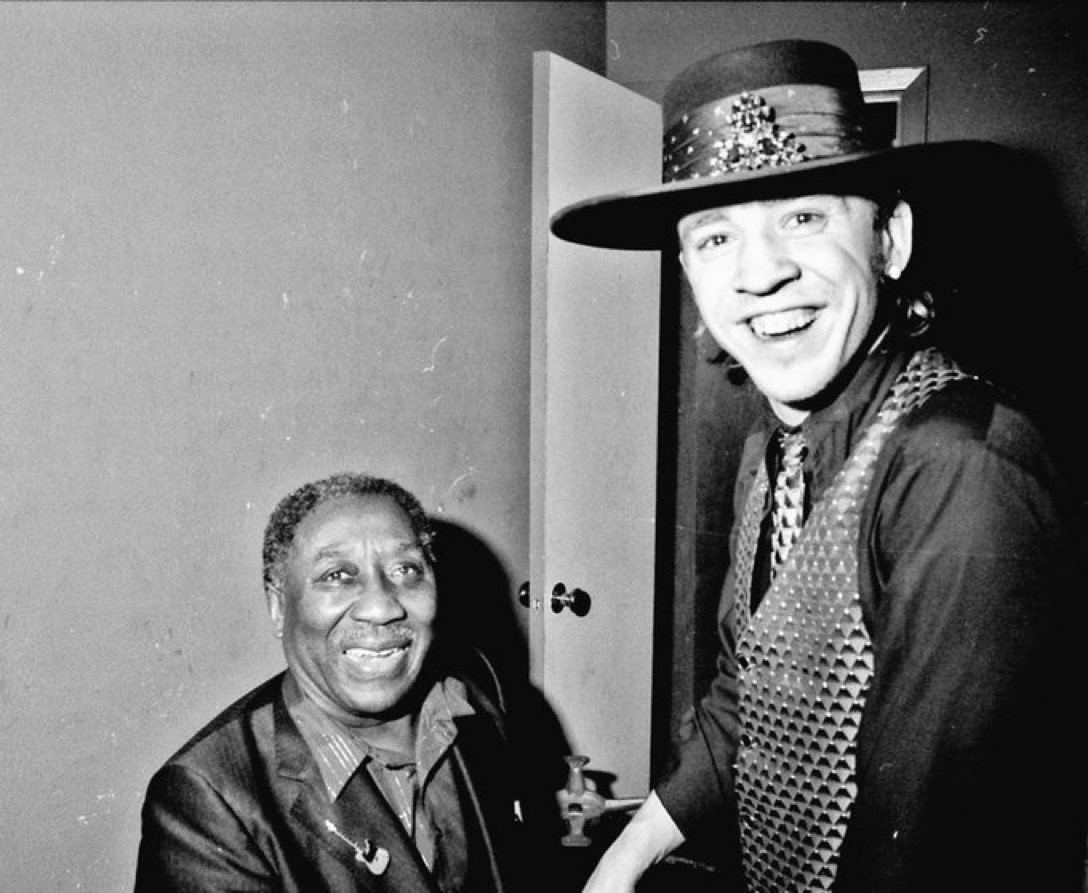
Black Oak's Jimmy Henderson
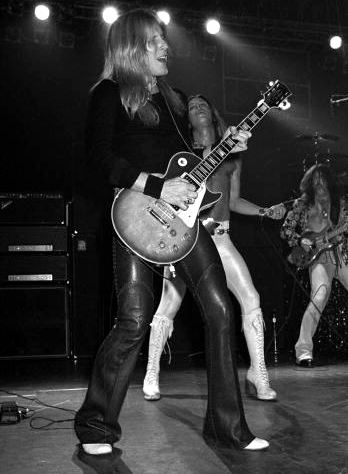
with Ruby Starr
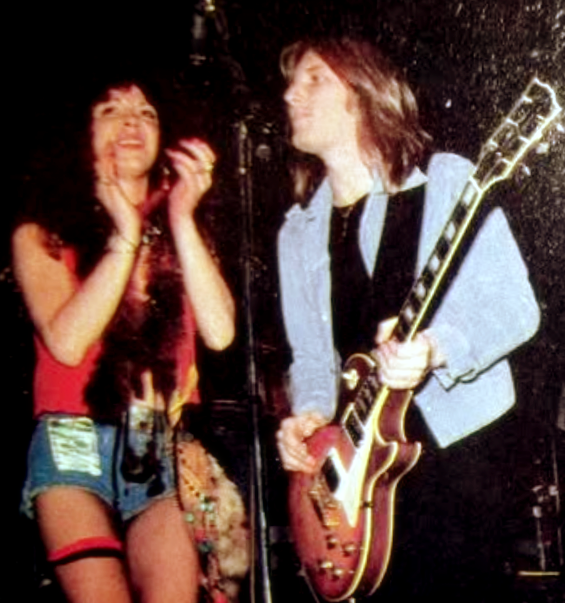
with Shawn Lane
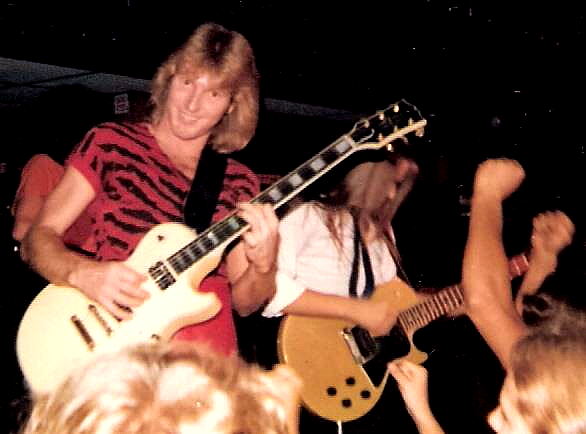
with Shawn Lane and Andy Tanas
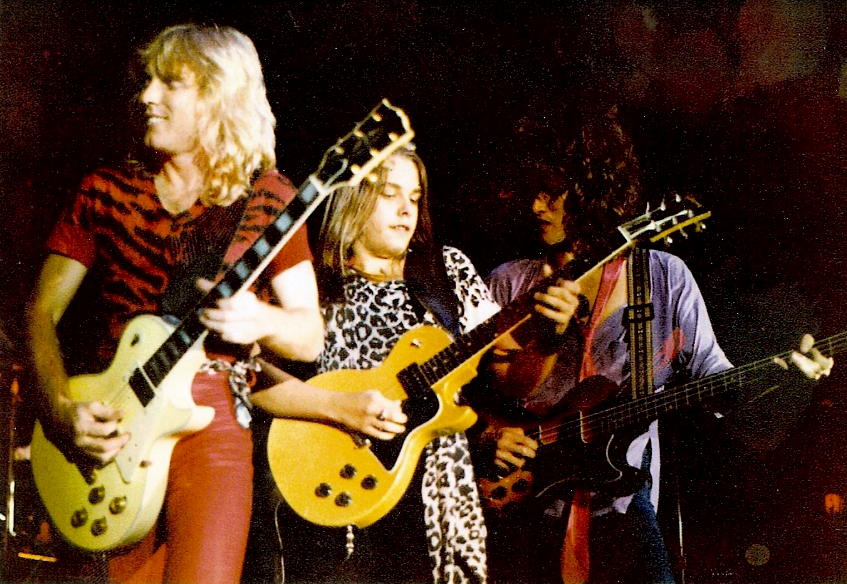
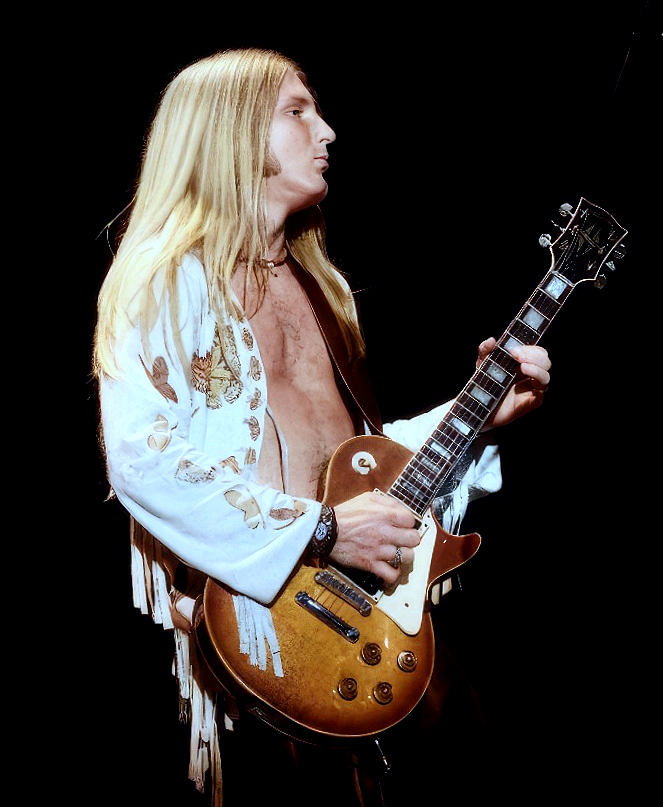
with Ruby Starr
with Shawn Lane
with Shawn Lane and Andy Tanas
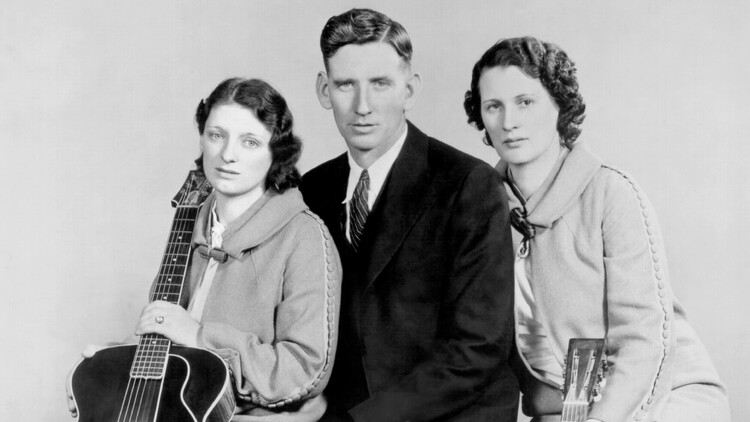
Happy birthday to Ralph Peer…
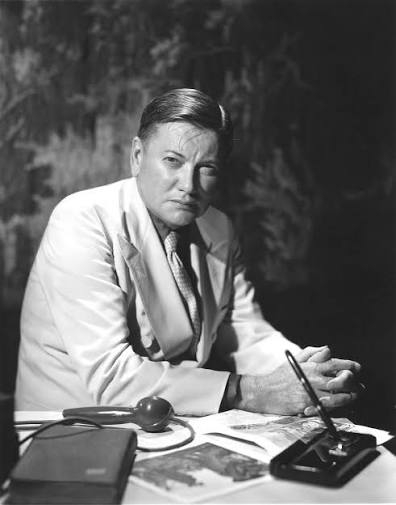
…a name you probably don’t know, not a musician, but he’s directly or indirectly affected musicians of the past 100 years…
 apple.news
…a name you probably don’t know, not a musician, but he’s directly or indirectly affected musicians of the past 100 years…
Born in Missouri 134 Years Ago Today, the Trailblazer Who Recorded the First Country Songs and Created the Modern Music Industry — American Songwriter
One hundred thirty-four years ago today, the man who spread country music to the world and forever changed the music business was born.
Jimi Hendrix headlined a benefit concert for Timothy Leary at the Village Gate, NYC May 4 1970
photo-Joseph Stevens
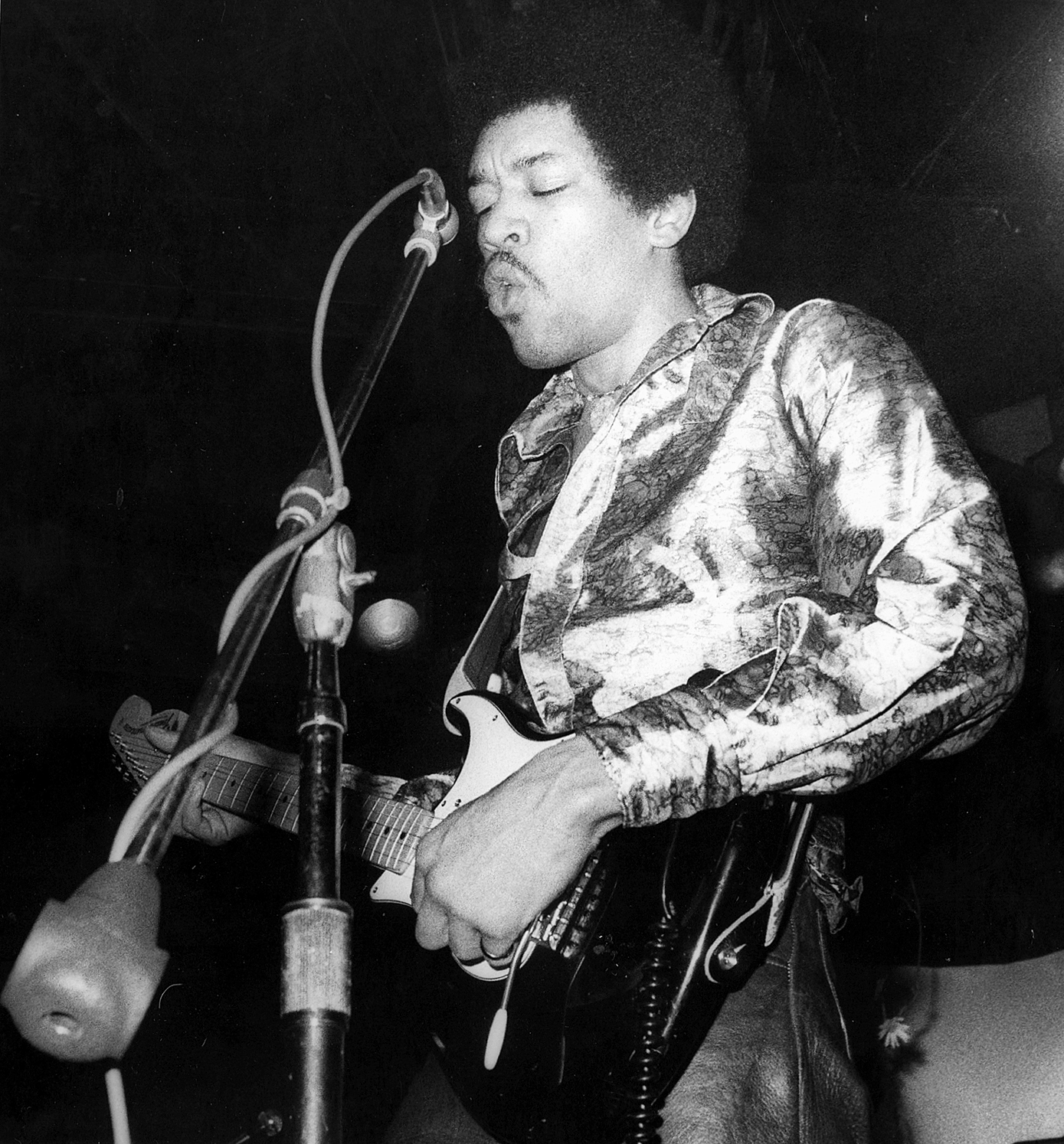
photo-Joseph Stevens

IMMusicRulz
Commercial User

on 12/29/1966 the Grateful Dead played the Santa Venetia Armory in San Rafael, CA, on the bill with Moby Grape and Morning Glory
photo-Robert Chevalier
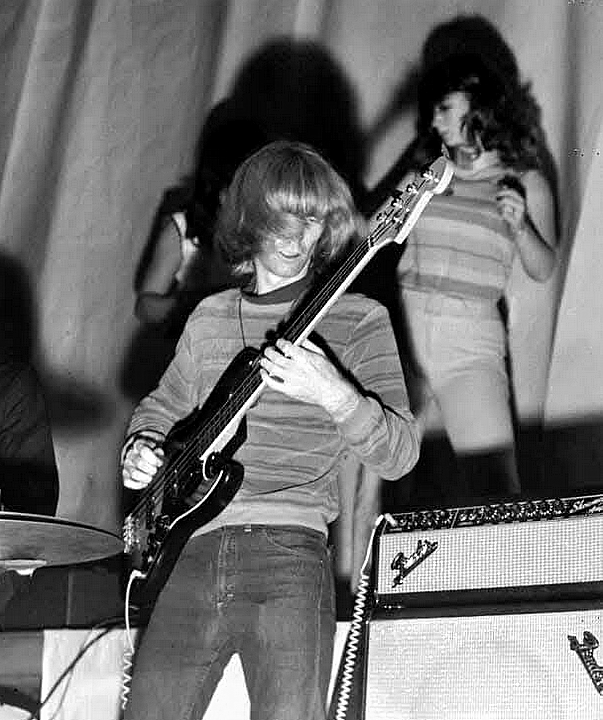

photo-Robert Chevalier
AI says; Wagner on Mushrooms": How George Martin Tamed the Psychedelic Chaos of the Walrus
Lennon: “I want nonsense lyrics, a distorted vocal, a choir chanting nonsense, and a live radio broadcast mixed in. Oh—and it should sound evil.”
George Martin: “Right then. Give me an hour.”
“I Am the Walrus” is what happens when psychedelic chaos meets classical training and a producer with zero fear. Martin layered electric piano, strings, brass, a full choir (chanting “Everybody’s got one!”), and even a live BBC broadcast of King Lear—all because Lennon thought it’d be funny to mess with the fans trying to decode lyrics.
What did George Martin do with this Frankenstein’s monster of a track? He tamed it. Barely. But in the best way possible. He made it sound both ridiculous and majestic, like Wagner on mushrooms.
To achieve the "evil" and edgy sound Lennon demanded, George Martin intentionally moved away from the lush, smooth string textures common in 1960s pop. Instead, he utilized an innovative orchestral arrangement featuring eight violins, four cellos, three French horns, and a contrabass clarinet. During the recording session on September 27, 1967, the strings were recorded to emphasize the sharp "attack and grain" of the instruments, making them an aggressive partner to Lennon's sarcastic narrative rather than mere background "sweetening". Martin famously "let rip" with outrageous orchestration that included glissandos and triplets to paint Lennon's absurd lyrics with a vivid, surrealistic sonic brush.
Perhaps the most "Frankenstein" element of the production was Martin’s use of the Mike Sammes Singers, a 16-voice choir typically known for traditional, beautiful studio vocals. Martin pushed these professional vocalists into entirely unfamiliar, anarchic territory, scoring them to perform exaggerated vocalizations, shrill whoops, and phonetic noises like "Ho-ho-ho, hee-hee-hee, ha-ha-ha". Paul McCartney recalled it as a "fascinating session," where the choir added a layer of manic energy that perfectly matched the LSD-inspired mood Lennon was chasing.
No other band in the world could’ve made this. And no other producer could’ve made it sound like it belonged on a record.
The track’s legendary ending was born from a moment of pure, unplanned studio trickery. While mixing, the Beatles tuned in a live BBC Third Programme broadcast of Shakespeare’s King Lear and fed it directly into the tape. This was "accidental art" captured in real-time, preserving snippets of Act IV, Scene 6—specifically Oswald’s line, "Slave, thou hast slain me"—that can never be perfectly re-created because it was a one-time live broadcast.
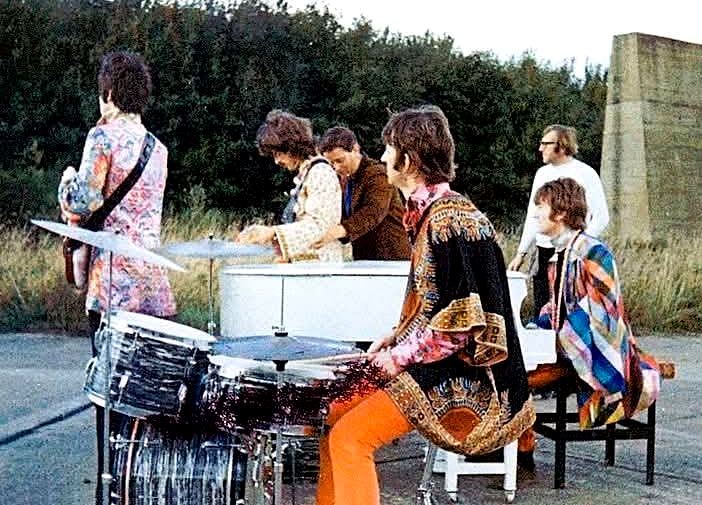
Lennon: “I want nonsense lyrics, a distorted vocal, a choir chanting nonsense, and a live radio broadcast mixed in. Oh—and it should sound evil.”
George Martin: “Right then. Give me an hour.”
“I Am the Walrus” is what happens when psychedelic chaos meets classical training and a producer with zero fear. Martin layered electric piano, strings, brass, a full choir (chanting “Everybody’s got one!”), and even a live BBC broadcast of King Lear—all because Lennon thought it’d be funny to mess with the fans trying to decode lyrics.
What did George Martin do with this Frankenstein’s monster of a track? He tamed it. Barely. But in the best way possible. He made it sound both ridiculous and majestic, like Wagner on mushrooms.
To achieve the "evil" and edgy sound Lennon demanded, George Martin intentionally moved away from the lush, smooth string textures common in 1960s pop. Instead, he utilized an innovative orchestral arrangement featuring eight violins, four cellos, three French horns, and a contrabass clarinet. During the recording session on September 27, 1967, the strings were recorded to emphasize the sharp "attack and grain" of the instruments, making them an aggressive partner to Lennon's sarcastic narrative rather than mere background "sweetening". Martin famously "let rip" with outrageous orchestration that included glissandos and triplets to paint Lennon's absurd lyrics with a vivid, surrealistic sonic brush.
Perhaps the most "Frankenstein" element of the production was Martin’s use of the Mike Sammes Singers, a 16-voice choir typically known for traditional, beautiful studio vocals. Martin pushed these professional vocalists into entirely unfamiliar, anarchic territory, scoring them to perform exaggerated vocalizations, shrill whoops, and phonetic noises like "Ho-ho-ho, hee-hee-hee, ha-ha-ha". Paul McCartney recalled it as a "fascinating session," where the choir added a layer of manic energy that perfectly matched the LSD-inspired mood Lennon was chasing.
No other band in the world could’ve made this. And no other producer could’ve made it sound like it belonged on a record.
The track’s legendary ending was born from a moment of pure, unplanned studio trickery. While mixing, the Beatles tuned in a live BBC Third Programme broadcast of Shakespeare’s King Lear and fed it directly into the tape. This was "accidental art" captured in real-time, preserving snippets of Act IV, Scene 6—specifically Oswald’s line, "Slave, thou hast slain me"—that can never be perfectly re-created because it was a one-time live broadcast.
David Gilmour today;
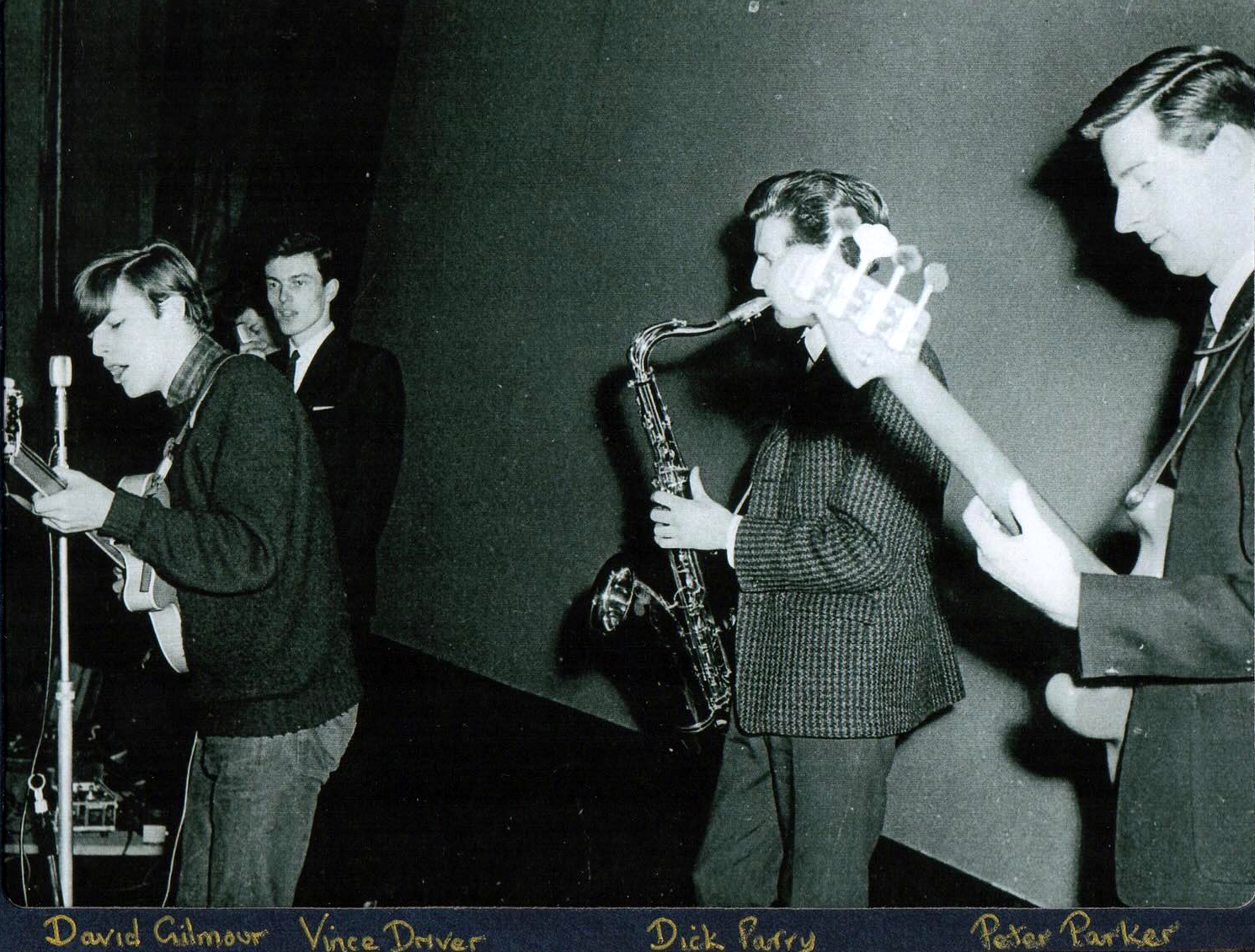
My dear friend Dick Parry died this morning.
Since I was seventeen, I have played in bands with Dick on saxophone, including Pink Floyd.
His feel and tone make his saxophone playing unmistakable, a signature of enormous beauty that is known to millions and is such a big part of songs such as Shine On You Crazy Diamond, Wish You Were Here, Us and Them and Money.
He played in the last band I had that included Rick Wright for the On An Island Tour and at Live 8 with Pink Floyd.
Here are some pictures of him, including one of him and me playing for the ABC Minors at the Victoria Cinema in Cambridge in 1963.
photo-Christopher Milner
My dear friend Dick Parry died this morning.
Since I was seventeen, I have played in bands with Dick on saxophone, including Pink Floyd.
His feel and tone make his saxophone playing unmistakable, a signature of enormous beauty that is known to millions and is such a big part of songs such as Shine On You Crazy Diamond, Wish You Were Here, Us and Them and Money.
He played in the last band I had that included Rick Wright for the On An Island Tour and at Live 8 with Pink Floyd.
Here are some pictures of him, including one of him and me playing for the ABC Minors at the Victoria Cinema in Cambridge in 1963.
photo-Christopher Milner