
You sell a heavy bass as 'no neck dive'.
“Massive butt-dive”?

TalkBass has been independent since 1998. Add your voice.
Create a free account to reply to discussions, view embedded media, and browse with fewer display ads.
Join free Log in
Want zero display ads or expanded classifieds tools? Compare plans.
You sell a heavy bass as 'no neck dive'.


There are some. Juan Alderete liked heavy basses better for a long time until he couldn’t take it anymore, because he believed it, then he got a handful of light basses he also loved. I’m for people playing whatever they want but there’s no prize for heaviest bass.Caring about weight has gotta be some ven diagram of back injuries, gigging frequency, and age. Not sure how many people seek out weight for something other than the sake of weight.

Is a person better because they're a certain weight?I ask this because I have read many threads on two different views of this, particularly in the classifieds. The first is that a nice, heavy, thick slab of wood in excess of 10-12 pounds accounts for unmatched, resonate tone quality(IE-Vintage Fenders/Musicmans). The other is the ongoing question of "weight?"...Weight isnt really a deal-breaker for me personally if I like the tone and balance, but I dont gig for hours either. So do most ask the weight because they want a heavy, resonant slab of wood OR do they ask because they want a super lightweight, or a bit of both? My Fender P/J is on the heavier side of 9.5-10 lbs but I love the tone. But, my 80s Japan Tune maniac is a featherweight at 7.5 lbs and that thing kills. Been curious about this..







 Add brass hardware, too! Seems many manufacturers followed suit. Dense hardwoods, brass, massive hardware, etc... Of course, when Fender realized that they had strayed far from what made them iconic, they made strides to try to capture some of that 'Golden Era' late 50s-early 60s vibe with better quality and (hopefully) lighter weight instruments in the early 80s.
And then many of the world's greatest american guitar builders started using basswood for guitar bodies, due to the excellent properties for an electric guitar. The guitarist in one of my bands has a collection of extremely pricey instruments, and some have basswood bodies.
Funny how that went down... because you're exactly right about the history of basswood in cheap instruments.
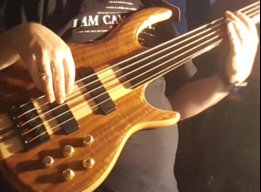
yup. Just for clarity though, cheapness isn't why it's used by my guitarist's $2000 to $4000 guitars.... it's used because of lightness plus tone qualities that the guitarist prefers.Basswood obviously deserves more credit. It's probably the cheapest way to get a light guitar or bass without chambering, although there was a nice supply of super light ash a few years back, which sounded great while being extremely light.
Downsides to basswood:
1. Can require different pickups. Less natural bass and mids compared to the usual suspects.
2. Can ding and dent easily. Avoid fine threaded screws like the plague since they can strip out.
3. Requires a solid finish due to lack of grain and potential mineral streaks.

Now I wonder if people actually care enough to take the strings off to weigh them, because that's at least 3oz.
yup. Just for clarity though, cheapness isn't why it's used by my guitarist's $2000 to $4000 guitars.... it's used because of lightness plus tone qualities that the guitarist prefers.

Standing for 1hr is a factor. But not if the bass sounds rubbish.
With the time we have had off, getting back to gig fitness is an issue too.


