

Enjoy the benefits of a premium membership!
Upgrade Account
-
TalkBass has been independent since 1998. Add your voice.
Create a free account to reply to discussions, view embedded media, and browse with fewer display ads.
Join free Log in
Want zero display ads or expanded classifieds tools? Compare plans.
You are using an out of date browser. It may not display this or other websites correctly.
You should upgrade or use an alternative browser.
You should upgrade or use an alternative browser.
Fat Freddy's Special K
- Thread starter Jon Clegg
- Start date
More options
Who Replied?

Did the basic thickness profile on the back of the neck:
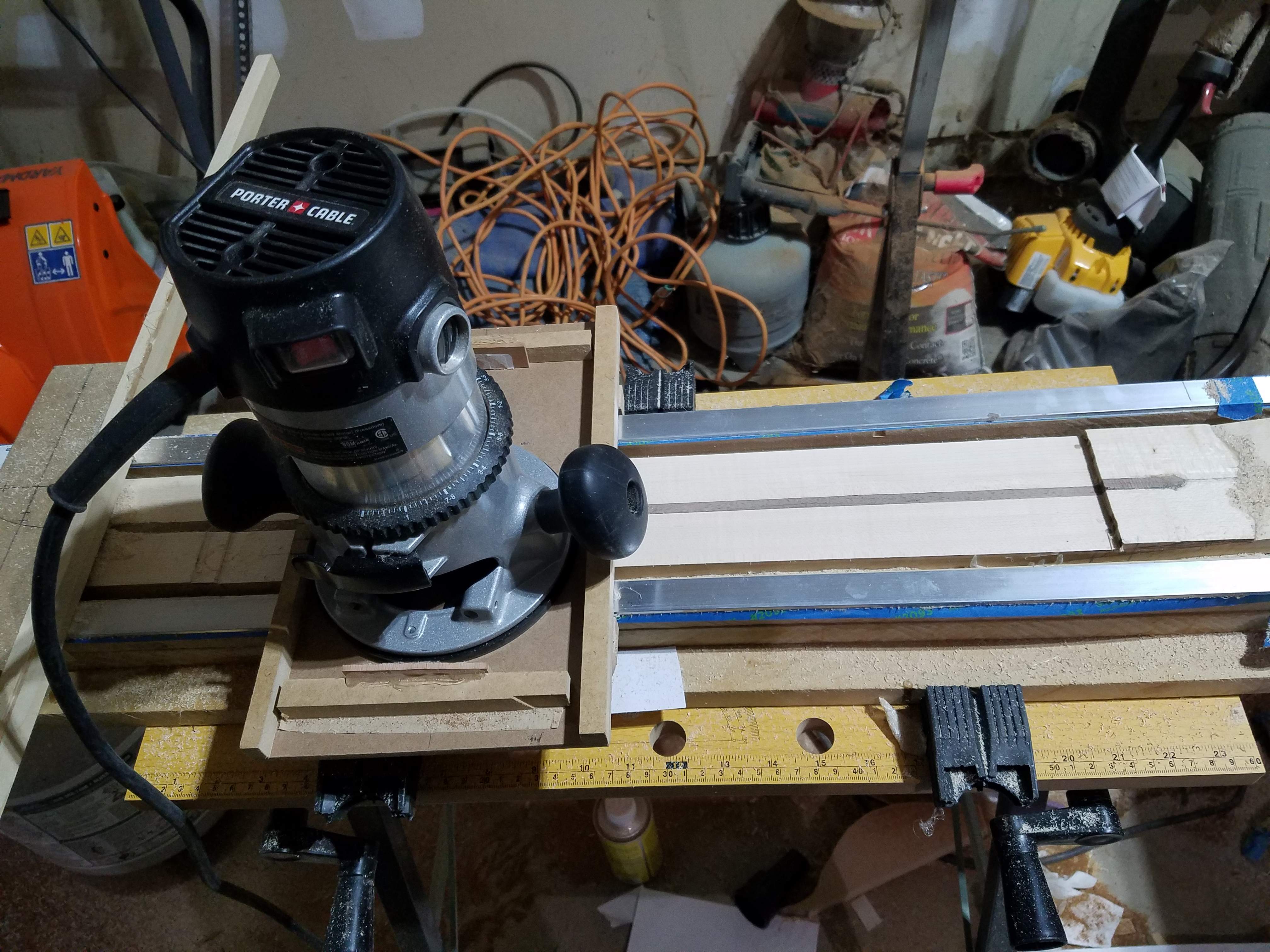
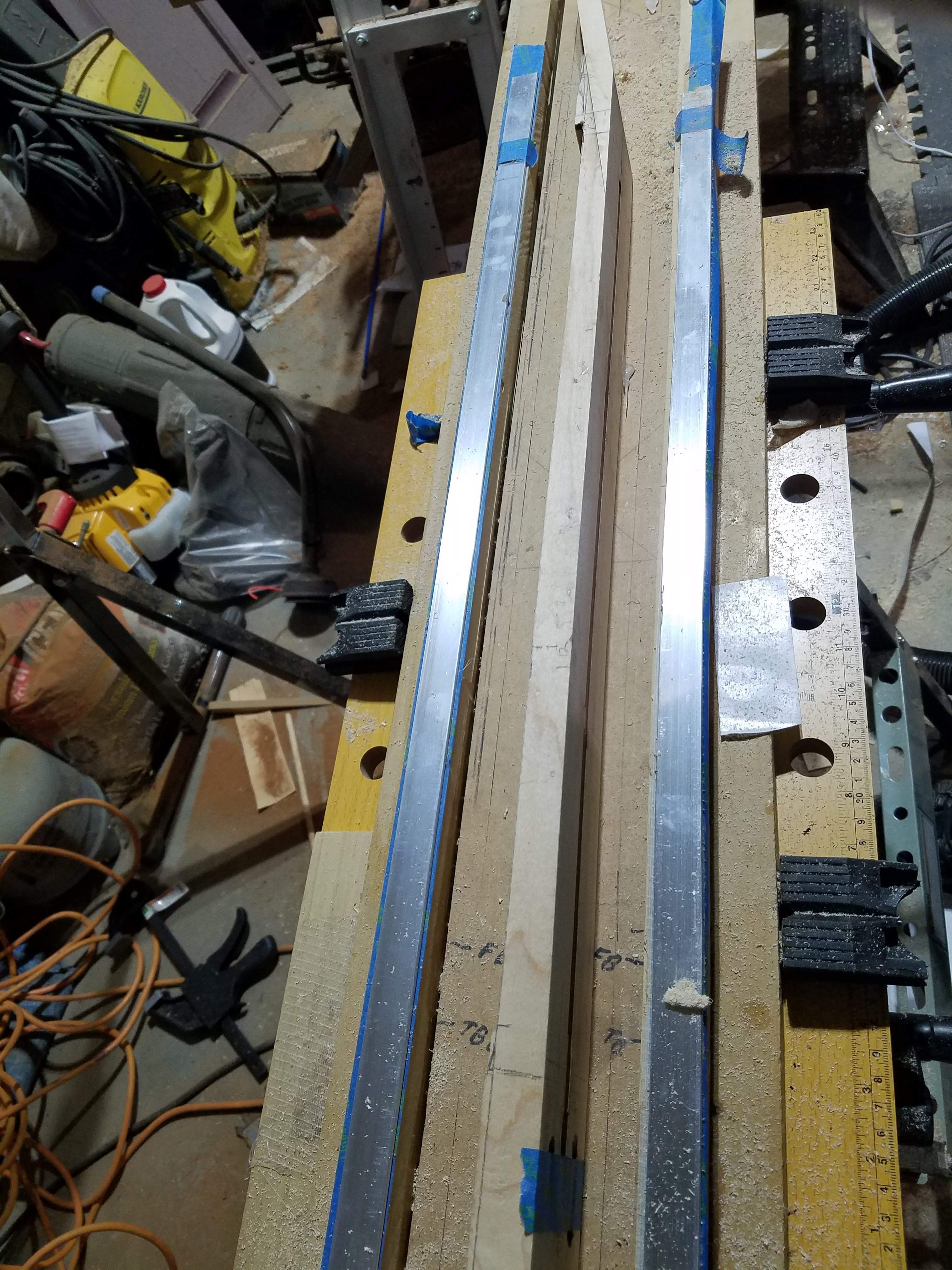
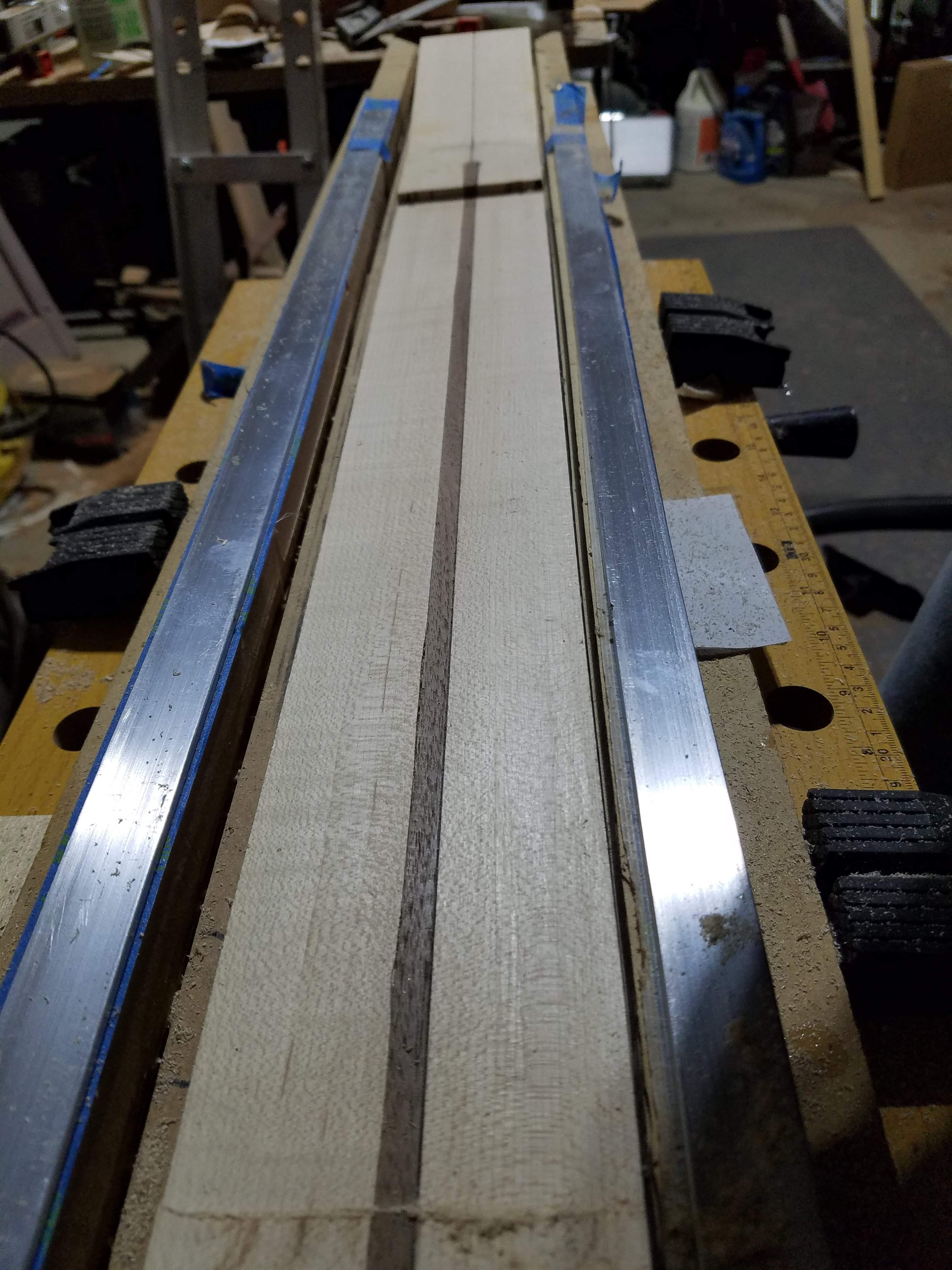
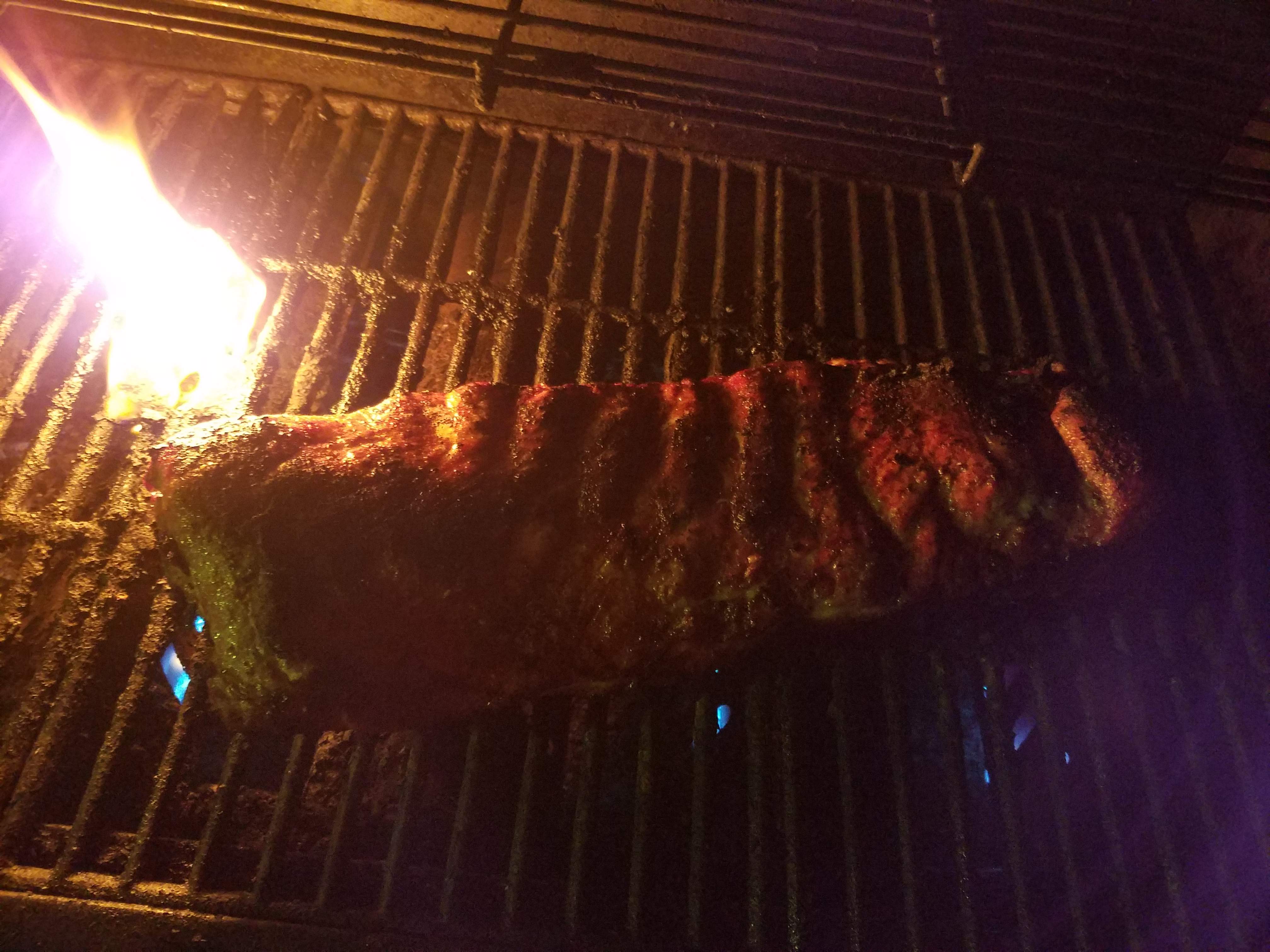
And took advantage of the unusually warm weather to practice the manly art of cooking meat over open flames
The next step on the neck will be to plane a 2 degree neck angle into the heel.
And took advantage of the unusually warm weather to practice the manly art of cooking meat over open flames
The next step on the neck will be to plane a 2 degree neck angle into the heel.

- Jun 30, 2010
- 49,625
- 222,186
- Disclosures
- musician/artist/owner - Gildaxe
That's gotta be worth a drool, or two, just for the ribs alone.....Did the basic thickness profile on the back of the neck:
View attachment 3665387
View attachment 3665388View attachment 3665392
And took advantage of the unusually warm weather to practice the manly art of cooking meat over open flames
View attachment 3665394
The next step on the neck will be to plane a 2 degree neck angle into the heel.

They were delicious.That's gotta be worth a drool, or two, just for the ribs alone.....
I'll bet they were....They were delicious.


Skunking it up:
LView attachment 3654153
CF TOW bedded in with epoxy. This went much smoother than the last time I did it. I layed down a thin layer of epoxy in the channel, then saturated the TOW with epoxy, layed that in, then epoxied the walnut plug (the off cut from making the stripe flush) in.
Tomorrow, I'll rout the TR channel and chisel out the channels for the Bruce Bars.
It warms the cockles of my heart to see that little roll of TOW getting use!
It's great stuff. Particularly now that I have a better handle on how to use it.It warms the cockles of my heart to see that little roll of TOW getting use!

Is that basically like a thin carbon fibre strip or tape?
It was placed in the channel for the skunk stripe?
I think I'm confused. lol
It was placed in the channel for the skunk stripe?
I think I'm confused. lol
It's a flat ribbon of parallel Carbon Fibre strands that's epoxied into the bottom of the TR channel from about the 5th fret to the heel. I used a scrap of walnut from cutting the skunk stripe flush as a plug to hold the the backstrap in place while the epoxy holding the CF cured then re-routed the TR channel a tad shallower in order to avoid cutting the CF.Is that basically like a thin carbon fibre strip or tape?
It was placed in the channel for the skunk stripe?
I think I'm confused. lol
It's a flat ribbon of parallel Carbon Fibre strands that's epoxied into the bottom of the TR channel from about the 5th fret to the heel. I used a scrap of walnut from cutting the skunk stripe flush as a plug to hold the the backstrap in place while the epoxy holding the CF cured then re-routed the TR channel a tad shallower in order to avoid cutting the CF.
Cool. So basically the CF strands act in tension to help resit bowing of the neck?
Exactly.Cool. So basically the CF strands act in tension to help resit bowing of the neck?
Exactly.
Is it thin enough that you'd be able to place it on either side of the truss rod channel, sandwiched between the top face of the neck and underside of the fretboard? In my mind this would help distribute the stiffening action across the width of the neck, rather than just stiffening up the centerline. Essentially, could you put it where "traditional" stiffening bars usually go, but without having to route any channels?
- Jun 30, 2010
- 49,625
- 222,186
- Disclosures
- musician/artist/owner - Gildaxe
Is it thin enough that you'd be able to place it on either side of the truss rod channel, sandwiched between the top face of the neck and underside of the fretboard? In my mind this would help distribute the stiffening action across the width of the neck, rather than just stiffening up the centerline. Essentially, could you put it where "traditional" stiffening bars usually go?
That is another way to do it - I had two 5-string necks made with rock-wood bars imbedded on either side of the tr channel. CF can be used also - both are very light and stiff.
The main strength of CF as I understand it is in resisting tension; so yes a flat bar on either side would resist bending forces, but most of that strength comes from the fibers along the edges. I'm using the CF in this way per the recommendation of @Bruce Johnson; who in addition to being a heck of a luthier is also a structural engineer.
Could he design me a bra?......The main strength of CF as I understand it is in resisting tension; so yes a flat bar on either side would resist bending forces, but most of that strength comes from the fibers along the edges. I'm using the CF in this way per the recommendation of @Bruce Johnson; who in addition to being a heck of a luthier is also a structural engineer.
.....

Don't think Jane's chest size was even close to mine.... .....
.....
Looks like it's back to the scaffolding then...... .....
.....
.....Looks like it's back to the scaffolding then......
.....
Could he design me a bra?......
An engineering challenge of the ages.....Requiring extensive study.

Latest posts
-
-
 How can Fender release a "Vintage" series with an unplayable bridge?
- Latest: ImTheOnlyOne
-

-

-
