
Slightly off topic, but I've got the CIJ version (called a 105-DMC) and it's great 

TalkBass has been independent since 1998. Add your voice.
Create a free account to reply to discussions, view embedded media, and browse with fewer display ads.
Join free Log in
Want zero display ads or expanded classifieds tools? Compare plans.

2Ne 9: 34 "Wo unto the liar, for he shall be thrust down to hell."and I can forget about any other basses for the rest of my life

threads in the screw holes will wear out over time from having to remove the bridge cover to change strings?


Does anybody else find the neck sticky sometimes, someone have a solution?
When my hand get wet it starts to stick to the neck which makes my playing slower, I still love my bass though hehe

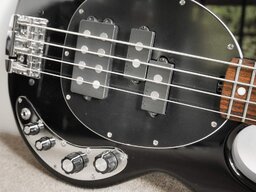
Does anybody else find the neck sticky sometimes, someone have a solution?
When my hand get wet it starts to stick to the neck which makes my playing slower, I still love my bass though hehe
 , but the sole reason that I sold my OLW reissue was that the nitro lacquer did become so "gritty" and sticky, that it made we want to put the bass down after 15 minutes
  ..
.. ), might be to use some very fine wet or dry or steel wool and try to remove the shine from the finish. Obviously, you'd want to be careful not to rub through to the wood but if done lightly enough, it might make a difference!?
Does anybody else find the neck sticky sometimes, someone have a solution?
When my hand get wet it starts to stick to the neck which makes my playing slower, I still love my bass though hehe
Matskull, you can try pushing down the A string at both sides of the nut when the string is slightly downtuned- this might help with your problem. First make sure you have enough windings on the post to keep the string down and create a big enough angle of break. This can cause problems if not observed on vintage styled Fenders in general, especially with large gauge and flatwound strings.
What do you mean by "wet" sanding?I have a CS Jazz with a nitro finished neck. I bought a set of Micromesh pads, took the neck of, and wet sanded the back with them starting from one of the coarser ones to the finest. it literally took 5 minutes and the result is a very glossy and incredibly smooth neck that feels the best of any I've played, short of vintage ones with almost no finish left from years of play. The pads are a bit thick, and you just need to dip them in soapy water, so no sanding blocks necessary. They were designed to polish plastic airplane windows; you can imagine how fine the finish is.
What do you mean by "wet" sanding?
Did you need to adjust anything after putting the neck back on the bass or did it stay the way it was before you removed it?
thanks again