
Why didn't you just buy a Fender factory built Dimension?I was gonna build one, but I never found a neck. I still have the body(Squier I think) pickguard pickup and bridge. I only play SS now, so it's just collecting dust.

TalkBass has been independent since 1998. Add your voice.
Create a free account to reply to discussions, view embedded media, and browse with fewer display ads.
Join free Log in
Want zero display ads or expanded classifieds tools? Compare plans.
Why didn't you just buy a Fender factory built Dimension?I was gonna build one, but I never found a neck. I still have the body(Squier I think) pickguard pickup and bridge. I only play SS now, so it's just collecting dust.

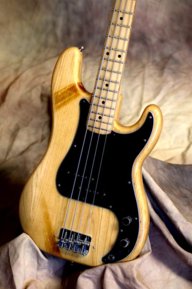
They're great basses for sure. But you'd better play one before buying. Yesterday I had a chance to play a MM EB Sterling and was totally blown away. I had an American Dimension Deluxe and they are very different. So, again, try before you buy.Have you played them? I was literally JUST looking at one on the classified...

Thank You, sir! Glad to be an official member!!!!Welcome Rumbler #729! Now Rumble on!
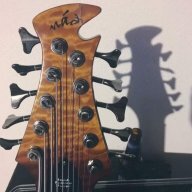
YesSanity check, I do solo tapping and looping, and need a smaller rig than my 2 4x10's in stereo. Would 2 112 100 watt rumbles be enough to hold down small to medium sized places and be able to stay extremely clean with lots of effects and loops?
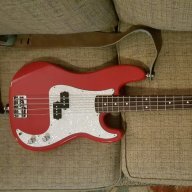
I'm pretty sure you just did! Welcome to the Fender Rumble Club @PougelsHello all. I just purchased the Fender rumble 200 combo and love it! I play a 1994 Fender precision squires series ( I believe it's the hybrid years when they were changing overseas manufacturing) and wondered how I join the rumble club.
 @Gravedigger Dav will be around on Monday to issue you a membership number.
Wow that was easy! That's cool I am glad there is this forum here it is a good group of guys that make bass playing and all that comes with it even more fun. Fender lover for life.I'm pretty sure you just did! Welcome to the Fender Rumble Club @Pougels

The cool things about the 40 is that it has all the features of the higher end models, with the exception of the extra horn and jack for an extension cabinet.
Hello all. I just purchased the Fender rumble 200 combo and love it! I play a 1994 Fender precision squires series ( I believe it's the hybrid years when they were changing overseas manufacturing) and wondered how I join the rumble club.
That is awesome! I just upgraded all electronics besides the pickups (next to go) and pickguard, and added threaded barrels. I have a Tusq nut on the way only because the A section was really worn out and it was easier and an actual upgrade to just replace it. I love mine, I've had it since 98 when my drummer from 6th 7th and 8th grade, best friend at the time, just gave it to me. With my story and it's story I don't think I'll ever get rid of it. Thanks for the great info.And also minus the effects loop.
The story behind those squier series MIM models is basically that many of them were made from surplus fender USA bodies and necks, which were sent to the then fairly new ensenda plant for painting/ finishing and assembly. So in many ways they are USA fenders as far as the neck and body are concerned. I am not sure about the fretwork, that may have been also done in the mexico plant.
The catch is that they used squier grade components, cheaper tuners hardware electronics, and cheaper one ply pickguards, and the jazz bass had the controls on the pickguard rather than a control plate.
The good news is all of that stuff is easily upgraded to USA or MIM grade components or better, leaving you with a serious instrument for a bit less cash.
Most people sanded off the "squier series" part, but you can always tell these because the fender logo is solid black. They are not squier instruments, but they do have squier grade components. I have seen several in the wild, and briefly owned a telecaster from that series, which appeared to have the squier logo sanded off the end of the headstock as well. The first one I saw was a strat back in 91/92, a classmate (highschool) who became my manager at work, brought it in, and I was jealous because my squier II strat had big squier logo with small fender logo, and his had the big fender logo and small squier logo. I did not realize that his cost almost 2x what mine did, it was a gift so he didn't know what it cost, and we both thought it was a squier. What did 16/17yr olds know before the internet was common anyway?
Before you change the pickup, compare it to other MIM and MIA fenders and see how it compares. Sometimes just upgrading the pots is enough to bring those to the sound quality of the MIM at least. I dont think I have encountered the P bass, just strats, teles and a few jazz basses.That is awesome! I just upgraded all electronics besides the pickups (next to go) and pickguard, and added threaded barrels. I have a Tusq nut on the way only because the A section was really worn out and it was easier and an actual upgrade to just replace it. I love mine, I've had it since 98 when my drummer from 6th 7th and 8th grade, best friend at the time, just gave it to me. With my story and it's story I don't think I'll ever get rid of it. Thanks for the great info.
Right on! It sounds awesome after I went with the CTS orange drop setup. I have busted the bass budget for the year so I am in no rush to change those out. I appreciate the advice, sometimes a slow down a sec and don't go changing stuff because you know there is nicer stuff out there is great advice. That's could be never ending.Before you change the pickup, compare it to other MIM and MIA fenders and see how it compares. Sometimes just upgrading the pots is enough to bring those to the sound quality of the MIM at least. I dont think I have encountered the P bass, just strats, teles and a few jazz basses.
Not surplus. The Ensenada factory had no CNC machines at that time, so USA made bodies and necks were shipped south.The story behind those squier series MIM models is basically that many of them were made from surplus fender USA bodies and necks, which were sent to the then fairly new ensenda plant for painting/ finishing and assembly.
When did they start cutting the bodies and necks in mexico? I'm pretty sure the later 90s black logo ones were after mexico was in full swing production, and I had heard about the surplus thing from multiple sources. For those years I mean.Not surplus. The Ensenada factory had no CNC machines at that time, so USA made bodies and necks were shipped south.
Good question. Sometime after the original factory (no CNC) burned down to the ground on Feburary 11th, 1994 and the new complex completed. We'll have to investigate that one.When did they start cutting the bodies and necks in mexico?
There is no such thing as 'surplus' bodies and necks. It's not like they have an expiration date and have to be used or go rancid. They were deliberately produced and shipped to Ensenada.and I had heard about the surplus thing from multiple sources.

 . Some quality time spent with my Rumble 200 combo & Am.Std Precision
That sunburst looks great LinninHappy Sunburst Sunday!
Invalid Link Removed
would love more of that sunshine though, not so warm here in the UK at the moment  .
.
I have plenty of sunshine at the moment, but only 29 f.That sunburst looks great Linnin


