• TalkBass has been independent since 1998. Add your voice.
    Create a free account to reply to discussions, view embedded media, and browse with fewer display ads.
    Join freeLog in
    Want zero display ads or expanded classifieds tools? Compare plans.

Fender Vintage Ashtrays & Pickup Covers. Why?

I'm in the "can't tear them off the bass fast enough" camp. The cover over the pickup is nothing but an impediment for me, as much as I do like the classic look. I do agree that the foam muting in the bridge cover is a cool thing if you're going for an old school sound. For me easy access to make bridge adjustments is more important, and I can use either foam under the strings at the bridge or a Nordy Mute for a similar effect.

Seems to be divided opinion on whether or not the cover over the pickup affects the magnetic field of the pickup. I've never personally experimented with that, but I have a friend who is not crazy who insists that his basses sound better with the cover on.
 
  • Like
Reactions: gg22
Exactly the opposite, imo. Purposefully designed hardware that also has some aesthetic value.

Every original Fender bass and guitar from the ‘50s had them. Many of them have zero secondary function.

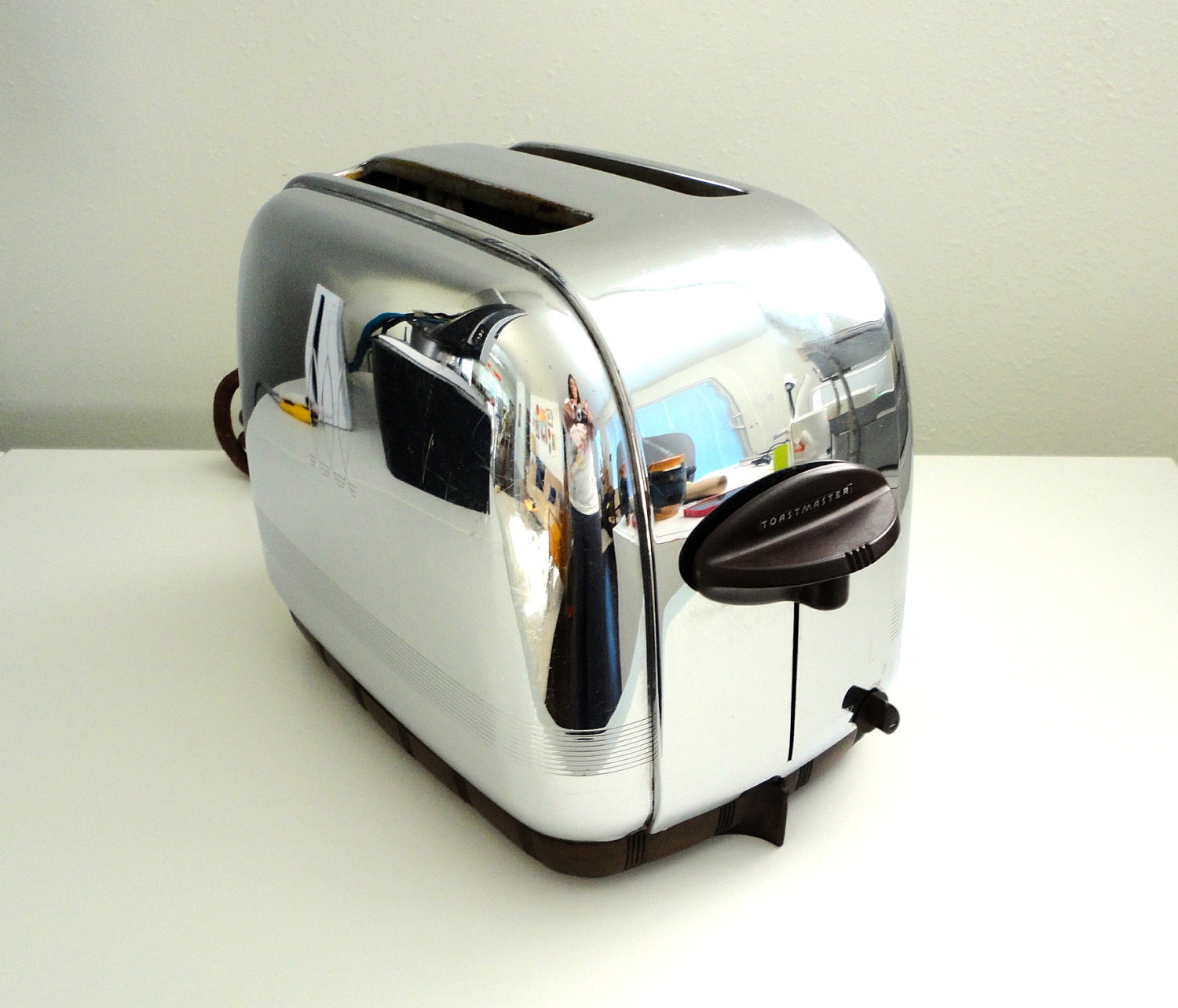
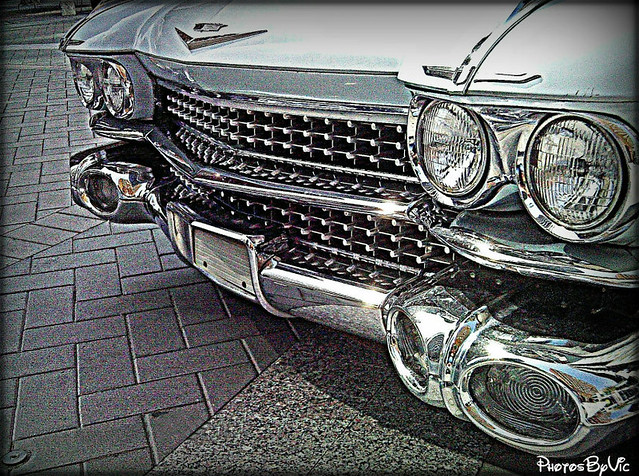
The Fender aesthetic was that of the time, taking a lot from auto design, interior design, architecture, aerospace, etc. I was simply their aesthetic to cover bridge saddles, and pickups when possible. If pickups could not be covered with trim plates, they were fitted with either white or chrome bobbin covers. Until the ‘60s, the only dark exposed pickups were on student models – and even then, the first brown pickup covers on a student model were not until 1959.

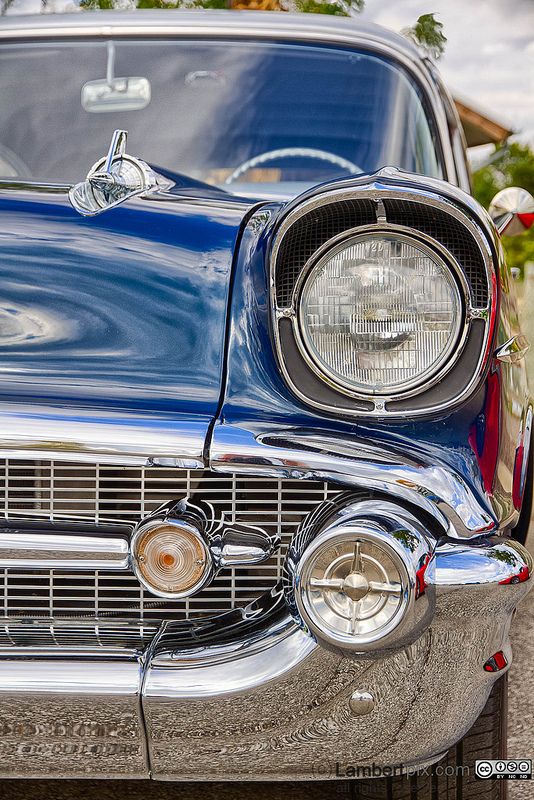
Again, it’s pretty much exactly akin to hub caps and trim rings on a car wheel of the time. Do they also somewhat protect wheels and keep them clean? Of course. But they’re primarily about an aesthetic.
 
Every original Fender bass and guitar from the ‘50s had them. Many of them have zero secondary function.

The Fender aesthetic was that of the time, taking a lot from auto design, interior design, architecture, aerospace, etc. I was simply their aesthetic to cover bridge saddles, and pickups when possible. If pickups could not be covered with trim plates, they were fitted with either white or chrome bobbin covers. Until the ‘60s, the only dark exposed pickups were on student models – and even then, the first brown pickup covers on a student model were not until 1959.

Again, it’s pretty much exactly akin to hub caps and trim rings on a car wheel of the time. Do they also somewhat protect wheels and keep them clean? Of course. But they’re primarily about an aesthetic.

A place to hold the string mute (bridge cover) and a place to rest the palm while plucking (pickup cover) are not secondary functions. They are the primary functions of that hardware.

Were they designed to look cool? Yes, of course.

The pickup cover on the P was originally grounded. Was that for aesthetics too? Or can you think of another reason? Maybe for killing the ground buzz while open string plucking with your palm resting on it?

Also, have you seen the stamping machines Leo Fender purchased to make the covers? They are massive, and were hugely expensive at the time. Am I to believe that one of the most notoriously frugal guitar makers in history (read: cheapskate) made those purchases so they could stamp cool looking doo-dads?

 
  • Like
Reactions: fig and Jazzdogg
A place to hold the string mute (bridge cover) and a place to rest the palm while plucking (pickup cover) are not secondary functions. They are the primary functions of that hardware.

Were they designed to look cool? Yes, of course.

The pickup cover on the P was originally grounded. Was that for aesthetics too? Or can you think of another reason? Maybe for killing the ground buzz while open string plucking with your palm resting on it?

Also, have you seen the stamping machines Leo Fender purchased to make the covers? They are massive, and were hugely expensive at the time. Am I to believe that one of the most notoriously frugal guitar makers in history (read: cheapskate) made those purchases so they could stamp cool looking doo-dads?

Those are indeed secondary functions. As already explained, these parts were present on all Fender’s basses and guitars, in many cases serving strictly cosmetically, e.g. Musicmaster/Duo-Sonic, Strat, Jaguar, Jazzmaster, Mustang bridge covers. It was an aesthetic, very obviously. If you don’t get that now, you never will. I am under no illusions that can beat sense in to you with a post, but hopefully can counter your nonsense for others’ benefit.

The covers were grounded as part of a flawed theory, soon realized as such and discontinued. Ground hum is damped during normal playing in any one of a number of other ways.

Specialized shop fixtures were common, then and now, and yes, of course they would have devoted stamping dies for parts that were fundamentally cosmetic. They’re just inserts into already existing stamping presses. Anybody who mass produces metal parts knows that there’s nothing odd or prohibitively expensive about having custom dies made, in the long term grand scheme of things. Aesthetics were incredibly important to the entire Fender operation, from day one. Leo Fender and crew were efficient, but had no problem investing money on achieving the right look – just like most other mass production consumer products and tools of the era.
 
Last edited:
  • Like
Reactions: Jazzdogg
Like it or not, in a consumption-based economy where consumers may are very likely, at least in part, to choose whether to buy a product based on looks, aesthetics serve a function. This is indisputable.

The primary function of a bass--without getting highfalutin here--is to allow a person to make bass sounds when played.

Tone and volume pots could be deemed as providing secondary functions. Of all the basses owned by people on TB what percentage of those have only pickups and an output jack? I reckon it's not even 2%.

Bottom line: Who gives an actual ****?
 
Last edited:
They were never intended to be much more other than aesthetic, and that’s mostly what they are used for now.

I don’t know if the first version of PBass even had the mute foam rubber under the bridge cover, but later versions did.
 
Last edited:
I bought a new P-bass in '73, and changed it completely around '83.

One of the changes involved replacing the factory bridge with a Badass II, which left no room for the original bridge cover.

I have often thought of a bridge cover, hinged at the far end, with a quick-set lever to adjust the string Damping. A bridge cover also makes palm muting more comfortable for me.
 
  • Like
Reactions: bassfiddlesteve
I love the way they look in photos and all, but just curious why you keep them on.

Not being critical or even slightly judgmental here. I realize everyone has their preferences and that makes the world go 'round. As a player who varies his right (plucking/picking) hand for different tone, I personally find them in the way and a bit limiting, but again just looking for other players' points of view, even if purely aesthetic.

I like the look of them but they, particularly the center cover, would interfere with playing comfort and combined, just add unnecessary weight.
 
Why? Pretty simple, really...
Most of my 24 basses are set up to play one kind of music as best as possible. I only have 3 or 4 basses that could be considered "Versatile"; and, my left handed, "A-spec" necked '78 P-Bass ain't one of them. When I pick it up and plug it in? I want it to sound like I'm on stage, playing Rock/Rockabilly/C&W - in about 1963 or so. And, with the close-as-you-can-get to the original Fender Squire Flats (GHS Precision Flats) under the bridge cover with it's foam mute; the pickup cover; and the thumb rest? That's exactly what I get. And, with a pick? It's really easy to play that way, and sounds like every 50's/60's Rock song you ever heard on the radio...:cool:
 
  • Like
Reactions: 75Ric
OIP.nPaEkExwSAFLsM3TvWCEcQHaGG


baa596798fcca53dce646ebeb27f56be.jpg


a07a6dd5-5708-4752-8010-8d6633c6cd17___15114802814.jpg


il_fullxfull.368627505_ldxf.jpg


Link Removed

9027021669_37cc6cc3cb_z.jpg
 
Just a thought, but wouldn't the pickup trays be hum cancelling on those early unpotted and unwaxed pickups....?

No. You are conflating a couple things. Look into microphonics, 60 cycle hum, and shielding.

The thought of the time was that they might serve double duty as an effective shield (not a string ground, as erroneously stated somewhere above) – but that’s obviously not true.
 
Last edited: