• TalkBass has been independent since 1998. Add your voice.
    Create a free account to reply to discussions, view embedded media, and browse with fewer display ads.
    Join freeLog in
    Want zero display ads or expanded classifieds tools? Compare plans.

First BG build - lovin it!

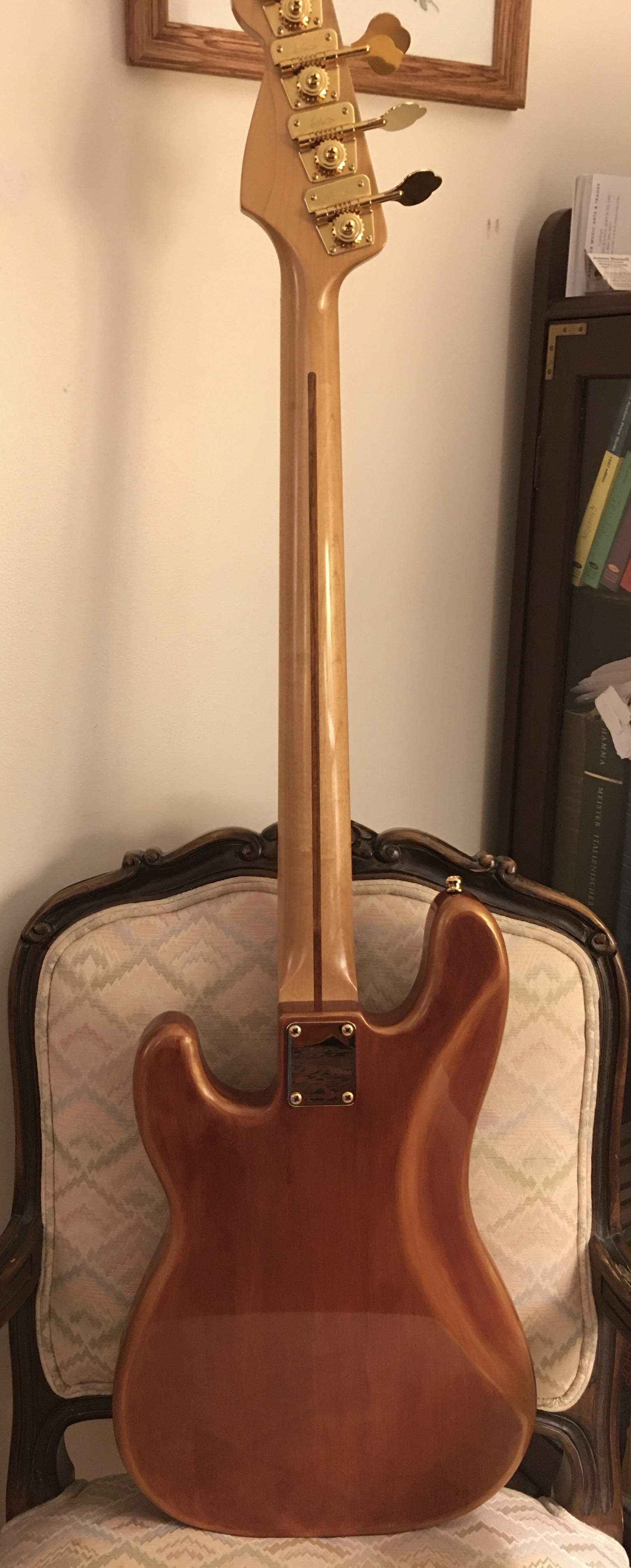
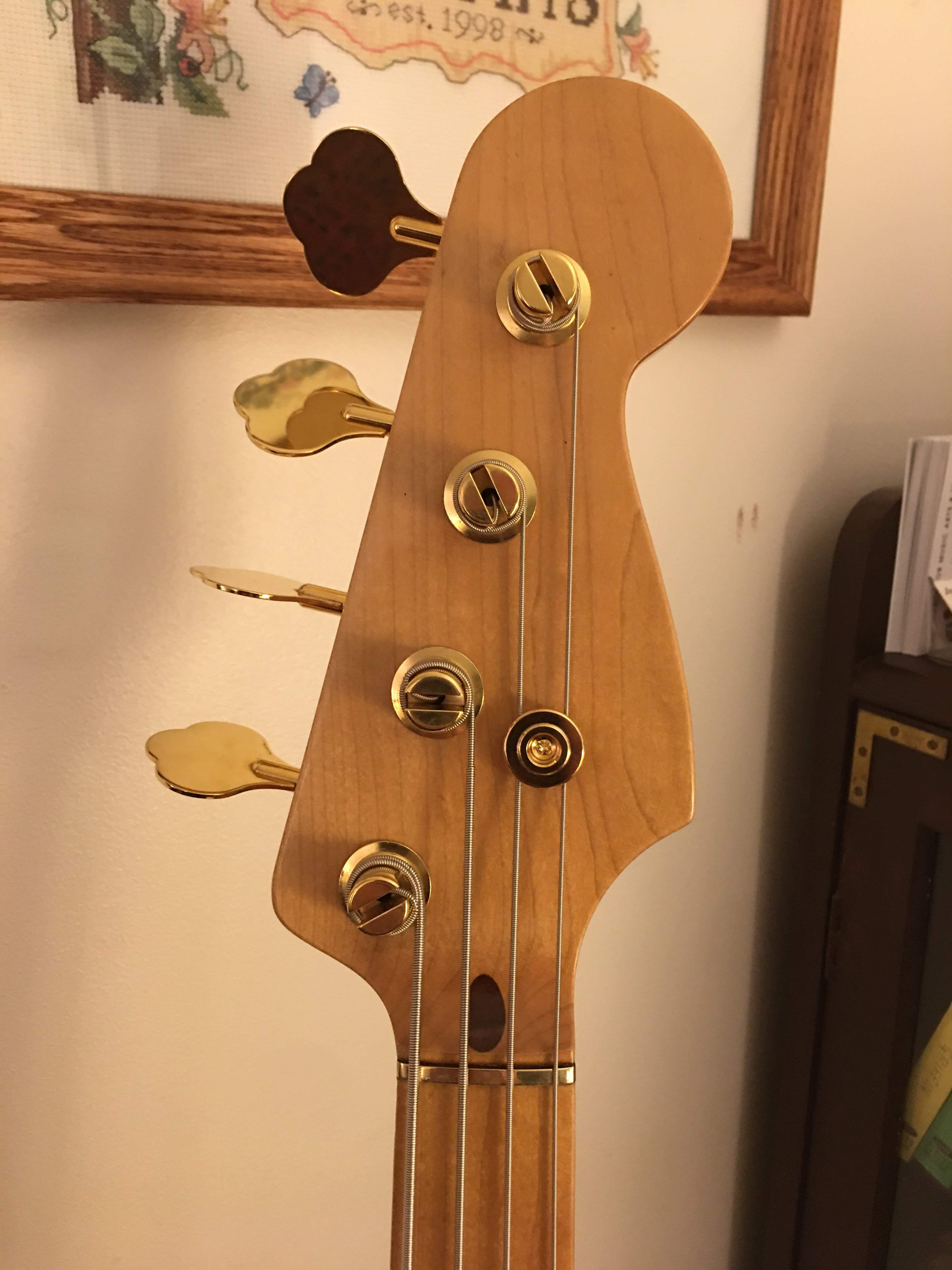
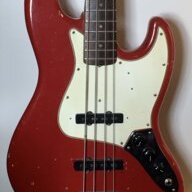
Just took a break from violin making (well, currently several violas!) to put together this pb: Neck and Schaller bridge/tuners from 1990, vintage late ‘70s DiMarzios (unused, still with original warranty sheet, donated by friend), 250K CTS pots, unfinished body from Guitar Mill, oil/poly finish, XLs. Really great sound and playability. How do y’all like it?
21AB7E45-96B8-4D60-8868-8563375C4051.jpeg
641638D1-012B-4A2A-9FB5-386B33E26D3D.jpeg
 

Attachments

  • 392BCE2B-F871-407C-8971-2FA4D0C6778F.jpeg
    392BCE2B-F871-407C-8971-2FA4D0C6778F.jpeg
    483.5 KB · Views: 230
You make violins and violas - what woods do you use for the body? My sister plays a $30,000 violin in local orchestra, and said she thinks it's Spruce. How important is the wood species vs the exact cut/piece of wood being used on orchestral instruments? Sorry for the questions, but there's never ending argument here on if the species of wood used for electric bass bodies makes any difference in sound.

Good job on the bass!
 
  • Like
Reactions: Mike Griffin
The simple answer is everything matters! Violins are typically spruce tops, maple back/ribs/neck. Every piece of every type of wood has its own density and flexibility and sound. Cut matters, particularly with spruce, particularly in violin family instruments. But it all works together to form a unique voice. Same goes for guitars of all types, and in combination with different pickups. It’s good to think in generalities about how different wood types may influence sound. This inevitably leads to wood choices that are tried-and-true - there’s usually a reason for traditional choices. Add to the mix the player’s perception and preference, and it all gets mixed up! I don’t enjoy complicated debates about whether particular woods/components are better or worse, they’re just different to different people! One reason I enjoy also making basses and violas is, their players tend to be more open-minded about use of less conventional materials/design choices than violinists! The guitar world is wide open in this regard, very refreshing to me. But I still respect the standard woods of the violin family, because wisdom of centuries reconfirms over and again the success of traditional choices. Long answer...
 
The simple answer is everything matters! Violins are typically spruce tops, maple back/ribs/neck. Every piece of every type of wood has its own density and flexibility and sound. Cut matters, particularly with spruce, particularly in violin family instruments. But it all works together to form a unique voice. Same goes for guitars of all types, and in combination with different pickups. It’s good to think in generalities about how different wood types may influence sound. This inevitably leads to wood choices that are tried-and-true - there’s usually a reason for traditional choices. Add to the mix the player’s perception and preference, and it all gets mixed up! I don’t enjoy complicated debates about whether particular woods/components are better or worse, they’re just different to different people! One reason I enjoy also making basses and violas is, their players tend to be more open-minded about use of less conventional materials/design choices than violinists! The guitar world is wide open in this regard, very refreshing to me. But I still respect the standard woods of the violin family, because wisdom of centuries reconfirms over and again the success of traditional choices. Long answer...
I make mandolins/mandolas and I concur wholeheartedly. EVERYTHING matters and is interdependent on all of the other stuff... the top and back have to work together, and then the bridge has to be right in order for that to happen... the neck has to be at the right angle and set properly... and on it goes. In my experience, the wood and the builders skill are the two variables that separate a “bad” instrument from a good one and a good one from a great one.
 
It looks good!
I make mandolins/mandolas and I concur wholeheartedly. EVERYTHING matters and is interdependent on all of the other stuff... the top and back have to work together, and then the bridge has to be right in order for that to happen... the neck has to be at the right angle and set properly... and on it goes. In my experience, the wood and the builders skill are the two variables that separate a “bad” instrument from a good one and a good one from a great one.

Right on, I wholeheartedly agree!