• TalkBass has been independent since 1998. Add your voice.
    Create a free account to reply to discussions, view embedded media, and browse with fewer display ads.
    Join freeLog in
    Want zero display ads or expanded classifieds tools? Compare plans.

First time in the studio!!! Looking for some gear advice

My punk band is headed into the studio in a couple weeks to record our debut album! This will be my first time recording music in a real, professional studio and, while I think our studio engineer is extremely competent and has great judgment, I'd still like to get some advice and opinions from the TB hive mind.

I'm really happy with my current live rig -- SVT-3PRO, Aguilar GS212 cab, SansAmp BDDI, passive Fender P, no other pedals. I love the way the BDDI interacts with the SVT-3PRO's preamp to create an overdriven/slightly distorted tone. I know I could always bring my head and BDDI and use that in-studio, but I also have the option of using any of the following: Ampeg SVT2, Ampeg SVT mid 70s, Ampeg V4.

I'm sure I'll have the opportunity to try each one out and decide what I think sounds best on recording day, but in the meantime, do you guys have any gear advice within those constraints? If I'm really married to the tone I get with my BDDI, should I plan on using it in the same way to record as well, or is this unnecessary/ill-advised for some reason?
 
My experience is that most engineers like to run the bass direct. So, chances of micing up an amp are usually rare. I would definitely take your gear, but let the engineer lead the way in how he wants to record you. There is a pretty good chance they would take a DI from your BDDI and maybe run it through a compressor…this would probably give you pretty close to the sound of your rig…maybe even better.
 
My experience is that most engineers like to run the bass direct. So, chances of micing up an amp are usually rare. I would definitely take your gear, but let the engineer lead the way in how he wants to record you. There is a pretty good chance they would take a DI from your BDDI and maybe run it through a compressor…this would probably give you pretty close to the sound of your rig…maybe even better.
The studio is definitely set up to mic a cab, and the engineer is very "whatever you guys wanna do, just let me know." So assuming we have both options (DI and miked cab) readily available, do you think one is superior to the other?
 
The studio is definitely set up to mic a cab, and the engineer is very "whatever you guys wanna do, just let me know." So assuming we have both options (DI and miked cab) readily available, do you think one is superior to the other?
Yeah, they'll make more money letting you run the session while he could nail your sound down faster himself. He knows his sound space, you don't.

Walking into a studio should be a well orchestrated event that is focused on recording well rehearsed material for a definite sound result that an engineer and producer are tasked to deliver for you - experimentation is fine for the well heeled!
Wish you the best!
 
My advice would be to keep an open mind. One of the biggest surprises to me when I first recorded was the difference in my recorded tone over what I was used to hearing from the amp. I was recorded direct through a high end compressor. To my ear, when they soloed the playback, I thought it sounded pretty bad…much muddier than my normal amp/live tone.
Then, they played back the entire song with all the instruments and it sounded fantastic. A true eye-opener of what the term “sitting in the mix” meant. So, to repeat my statement from before, let the engineer guide you based on their experience and you will probably be happy with what you get. But, with the “whatever you guys wanna do” attitude you mentioned earlier, you really can’t lose.
 
...do you guys have any.....advice...
0000.jpg
0000.jpg
0000.jpg


they'll make more money letting you run the session while he could nail your sound down faster himself. He knows his sound space, you don't.

Walking into a studio should be a well orchestrated event that is focused on recording well rehearsed material for a definite sound result that an engineer and producer are tasked to deliver for you - experimentation is fine for the well heeled!

...let the engineer guide you based on their experience...
all of the above!

best of luck with your recording! :thumbsup:
 
The studio is definitely set up to mic a cab, and the engineer is very "whatever you guys wanna do, just let me know." So assuming we have both options (DI and miked cab) readily available, do you think one is superior to the other?
Do both. Make sure the engineer checks that the amp mike and the DI signal are in phase so they can be mixed together later. Dime the volume and tone on the P bass so the DI gets as much signal as possible, let the EQ be tweaked in the mix. Set the amp up anyway you like.

Don’t forget to have fun.

P.S. If you don’t do your own setups, take the P bass to a tech before going into the studio.
 
My first 3 times in the studio were pretty caveman affairs on big old Ampex 4 tracks, so miking my Ampeg was how it was done.
But the last time I recorded it was in a proper modern studio ( at least at the time, the 90s)
The producer had me run strait in to the board. After the first take we were listening back and he could tell I wasn't thrilled so he asked me why. I said " It sounds good, but it dosent sound like..me".
He had me wheel in my amp, and my DI, and split the signal . One to my miked amp, and one strait in. He recorded both on 2 separate tracks, and blended them together.
I was smiling.
Now I know the tech has improved with amp and cab sims since then, and my experiences might be completely different today. But thats how I did it.
Keep in mind, the more time spent "fiddlin" with stuff your fighting the clock.
And just like a New York taxi, the meters running.
Good luck! 🙂👍
 
Thanks for the advice, everybody! I think I'll probably do both DI and mic an 8x10 cab. Still deciding between one of the 70s SVTs or my own head. We're also starting to put together a playlist of songs with tones and mixes to reference so that we can effectively communicate our sound goals to the engineer.

Fortunately the studio owner/engineer is a friend, so we're getting 9 hours of studio time for very, very cheap, all to record less than 20 minutes of material.
 
If you trust the sound guy, simply clean or with very light drive should work. DI (or if your amp has a DI you can record direct and mic the cab).
If the sound guy will not be processing your sound, clear and crisp is your friend. No reverb or chorus pedal. Envelope becomes your sound so understand if that is ever needed.
 
  • Like
Reactions: mattie13
My first experience in the studio, the engineer humored me and let me set up my rig in an iso room, and also took DI straight from my bass.

In the end, we got the best sound off the DI with a little eq and comp.

The great things is you can record your performance multiple ways, then pick the one that works best at mix time. It's not like we're limited to 16 tracks anymore.

Recording is a lot different than live. It's brutally unforgiving on the performance, but broadly more flexible on the tech. My advice is to focus on your performance and let the staff focus on the tech.
 
Recording is a lot different than live. It's brutally unforgiving on the performance, but broadly more flexible on the tech. My advice is to focus on your performance and let the staff focus on the tech.
This ^ 100%
9 hours will go really fast. Focus on nailing your parts in a few takes as possible.
If it was me tracking a P-Bass for Punk: Direct into a 1073 + very mild comp just to catch any hard peaks.
 
I agree with both Brian’s and Esteban’s comments above.
Also, I would recommend having a game plan in advance. Are you all tracking simultaneously going for a ‘live’ performance, or building up from rhythm tracks? Are you setting up in the same room with the drummer, or off into isolation spaces? Have a pre-production meeting with your engineer and make these decisions before the session.
The tech aspects of recording can overwhelm the situation at times and run out the clock. Prepare your instruments, bring anything you might need and focus on your performances. Rehearse well and all know your parts in your sleep.

I always like to nail the least complicated songs 1st to get morale up and get ahead of schedule. Trust your engineer to know when you have keepers and don’t all break and trudge into the control room to listen after each take. It wastes time that’ll be needed later for overdubs and solos.

And have fun and support each other throughout the process.
 
Last edited:
Bring the sound you’re used to, plus run separate a clean DI channel. If you get into trying out multiple amp setups you’ll be wasting valuable studio time, which can be expensive, and sometimes boring/frustrating for other band members. 9 times out of 10 a recording session uses just the DI signal, so trying out different amps may be a fruitless and time consuming endeavor. Trust your engineer. Studio time is valuable, so try to spend as much of it on the tracking/performance as possible. That’s where the true magic comes from anyways, not which svt the bass player used.
 
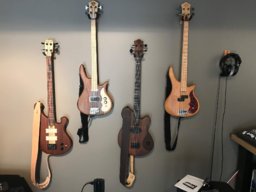
I prefer going direct w/ this setup, which gives my lots of tonal flexibility.

View attachment 7087779
This isn't much different than bringing an amp. Most engineers are going to want to take DI straight off the instrument, and if they want to humor you, another source (mic or DI) after whatever amp and fx you use in rehearsal and at gigs. (They can give you this in your monitor if it's important to how you play.)

Capturing your best performance is the number one goal while the red light is on. You can add effects and nail your sound at mix time. A lot of times this may be different than what you use live, because recording is different.
 

Latest posts