Variety of tone is a big determining factor here. Different instruments, pickups, fretted vs fretless, number and type of strings can all contribute to significant differences in the tone of an instrument. That's the reason why I have multiple instruments. Just looking through my own instruments I can point out the differences:
BASSES:
DeArmond Ashbory - Strung with silicone rubber strings. Fretless. Very deep, dub-like tone.
Ernie Ball Musicman Stingray 5 - Fretless, strung with pressurewound strings. Has a MM pickup plus a piezo bridge pickup
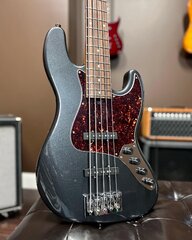
Fender American Standard Jazz Bass 5 string - Technically a parts bass (black body which originally came with a maple fingerboard neck. replaced with a rosewood fingerboard neck from another Fender American Std Jazz 5 string), but pretty much stock. May upgrade the pickups. Strung with DR Hi-beams roundwounds
Fender Roadworn Jazz Bass - Has Lollar J pickups, DR Lo-Rider strings, copper paint shielding
Fender Roscoe Beck V - Features pickup coil tapping (single coil, split coil & humbucking modes), pickup selector switch, strung with Dean Markley Blue Steel roundwounds
Fender Precision (parts bass) - Fender 50's Precision w/ lacquer finish body, Fender Roadworn Jazz bass neck, Seymour Duncan Antiquity II pickup, strung with D'Addario Chromes flatwounds
Gibson Midtown Std - Hollowbody bass with Gibson humbuckers in neck & bridge position, strung with LaBella tapewound strings.
NS Design WAV 4 - Electric upright bass
All of these instruments have significantly different sounds. Some do some things better than other basses. And that variety can help to inspire different creative ideas. I've been in situations where changing instruments helped me approach a part differently, and all of a sudden a part emerged because I approach things a little differently on one instrument than I might on another. It's not just about having more stuff.