

Enjoy the benefits of a premium membership!
Upgrade Account
-
TalkBass has been independent since 1998. Add your voice.
Create a free account to reply to discussions, view embedded media, and browse with fewer display ads.
Join free Log in
Want zero display ads or expanded classifieds tools? Compare plans.
You are using an out of date browser. It may not display this or other websites correctly.
You should upgrade or use an alternative browser.
You should upgrade or use an alternative browser.
Forget Fatfinger I found the deadspot fix!
- Thread starter Fullerton50sFan
- Start date
-
- Tags
- dead spot fix
More options
Who Replied?

Luckily I’ve never had a dead spot keep me from making a paycheck.
That might be because I’ve never worried about them.
But I get when players worry. I just tend to not obsess about things that I “personally” don’t feel is a hindrance to the end result. Of course I’ve never had a completely dead, significant dead spot on any of the hundreds of fender basses I’ve owned (yes...hundreds). Some had small ones (typically G string 6th fret, but no big deal.... I’m not normally trying to hold out a C# for a minute, and even if I was I could play it an octave down or Play it on the D string.
That said, if it bothers you, more power to you ... I hope you find a fix.
Have an awesome day, y’all !!!
That might be because I’ve never worried about them.
But I get when players worry. I just tend to not obsess about things that I “personally” don’t feel is a hindrance to the end result. Of course I’ve never had a completely dead, significant dead spot on any of the hundreds of fender basses I’ve owned (yes...hundreds). Some had small ones (typically G string 6th fret, but no big deal.... I’m not normally trying to hold out a C# for a minute, and even if I was I could play it an octave down or Play it on the D string.
That said, if it bothers you, more power to you ... I hope you find a fix.
Have an awesome day, y’all !!!

Luckily I’ve never had a dead spot keep me from making a paycheck.
That might be because I’ve never worried about them.
But I get when players worry. I just tend to not obsess about things that I “personally” don’t feel is a hindrance to the end result. Of course I’ve never had a completely dead, significant dead spot on any of the hundreds of fender basses I’ve owned (yes...hundreds). Some had small ones (typically G string 6th fret, but no big deal.... I’m not normally trying to hold out a C# for a minute, and even if I was I could play it an octave down or Play it on the D string.
That said, if it bothers you, more power to you ... I hope you find a fix.
Have an awesome day, y’all !!!
I had one bass that had a really bad C# / G string dead spot that was even worse when the volume was cranked up. You hit the C# and it would sound like someone quickly turning th volume knob down. At lower levels when the instrument itself wasn't vibrating as much it wasn't as bad. Yeah, that bass was C# on the D string if it was anything more than a quarter note.
Yeah. Zero effect.
Thank god I read all eight pages before actually trying it
 .
.
I had an otherwise fantastic vintage G&L that had a wicked dead-spot at C# (and that bass was always tuned down a half-step, though the dead-spot was exactly the same strength at C# in standard tuning). It was bad enough that I did actually use a Fat Finger on it in the studio (which really did work- it shifted the dead-spot between notes). The Fat Finger changed the tone of the bass though, adding sustain at the expense of some midrange punch and growl. I wish I had tried some lightweight tuners- like many G&Ls, that bass could have used a diet!I had one bass that had a really bad C# / G string dead spot that was even worse when the volume was cranked up. You hit the C# and it would sound like someone quickly turning th volume knob down. At lower levels when the instrument itself wasn't vibrating as much it wasn't as bad. Yeah, that bass was C# on the D string if it was anything more than a quarter note.
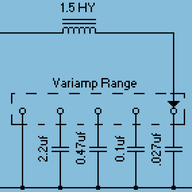
My 2 cents (this idea is not original with me, but it makes sense):
If a weight is used, instead of being clamped on solidly in the hope that it merely *moves* the dead spot, it is possible that if it is clamped onto a layer of rubber - of just the right thickness and density and dampening properties - that this assembly could *absorb* the resonance, like a shock absorber.
I think someone pointed out that the original Fat Finger (or something else, I can't remember) did have a rubber layer, but it might have been just protective of the finish.
Needs to be lossy, not springy, but does need to rebound before the next note might be played on that fret. So, not playdough. Yoga mat rubber might work. Ah, memory foam. Could include spring(s) to ensure rebound.
Or, imagine a *tuned* damper to kill a single frequency. Mass and spring?
Imagine a mass on the end of a telescoping springy shaft. Extend or retract to tune it.
Oh, -these days- can imagine an *active* tuned damper.
Ok, somebody bring it to market.
If a weight is used, instead of being clamped on solidly in the hope that it merely *moves* the dead spot, it is possible that if it is clamped onto a layer of rubber - of just the right thickness and density and dampening properties - that this assembly could *absorb* the resonance, like a shock absorber.
I think someone pointed out that the original Fat Finger (or something else, I can't remember) did have a rubber layer, but it might have been just protective of the finish.
Needs to be lossy, not springy, but does need to rebound before the next note might be played on that fret. So, not playdough. Yoga mat rubber might work. Ah, memory foam. Could include spring(s) to ensure rebound.
Or, imagine a *tuned* damper to kill a single frequency. Mass and spring?
Imagine a mass on the end of a telescoping springy shaft. Extend or retract to tune it.
Oh, -these days- can imagine an *active* tuned damper.
Ok, somebody bring it to market.
I thought I remembered @johnk_10 or someone embedding weights into the headstock under the tuners to fix dead spots. I might be wrong though.
I think the problem is the resonance of the neck to begin with, where the energy of the string at a certain frequency is absorbed into the neck resulting in a loss of sustain. Apparently Fender-style necks are consistent enough in design that this note tends to happen within a range of a few frets (if you’re lucky it falls between the notes). The reason the Fat Finger can work is by moving this resonance between notes by raising the mass of the neck (which could also be done with different tuning keys). Based on my positive experience with a Fat Finger on a few basses with strong dead notes, it seems the amount of mass was chosen specifically to shift a dead spot just around a quarter step or so where it would no longer be as obvious. I know they had different models for bass and guitar, suggesting a different amount of mass necessary to make this shift (though I am not aware of dead-spot issues on typical Fender-style guitars, while the Fender-style bass dead-spot is a well-known phenomenon). My Fatfinger had rubber on one side and felt on the other side of the clamp IIRCMy 2 cents (this idea is not original with me, but it makes sense):
If a weight is used, instead of being clamped on solidly in the hope that it merely *moves* the dead spot, it is possible that if it is clamped onto a layer of rubber - of just the right thickness and density and dampening properties - that this assembly could *absorb* the resonance, like a shock absorber.
I think someone pointed out that the original Fat Finger (or something else, I can't remember) did have a rubber layer, but it might have been just protective of the finish.
Needs to be lossy, not springy, but does need to rebound before the next note might be played on that fret. So, not playdough. Yoga mat rubber might work. Ah, memory foam. Could include spring(s) to ensure rebound.
Or, imagine a *tuned* damper to kill a single frequency. Mass and spring?
Imagine a mass on the end of a telescoping springy shaft. Extend or retract to tune it.
Oh, -these days- can imagine an *active* tuned damper.
Ok, somebody bring it to market.
Last edited:
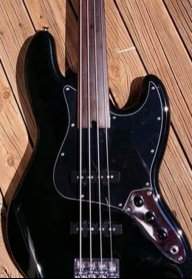
I thought I remembered @johnk_10 or someone embedding weights into the headstock under the tuners to fix dead spots. I might be wrong though.
I read that thread. He did a very good job of it although i'm loathe to add any weight to the headstock of any of my basses.
I put the washer over the strings as the op suggested, and it works the same as if it's under them. as you can see from this photo, it's a thick piece of rubber. if the string tree is tightened down, it dampens the strings in either position and reduces the dead spot. works for me on this bass. That's all I'm saying.
Attachments

Last edited:
I read that thread. He did a very good job of it although i'm loathe to add any weight to the headstock of any of my basses.
Here’s that thread, in case anyone is interested in reading how @johnk_10 fixed the problem ....
Dead spot removal

I've found a few different scenarios that attribute to improving dead spots.
When it comes right down to it the cause is an anti-vibration in the instrument. Something that vibrates when certain notes are hit.
The sources that I have found to either improve or remove dead spots are:
- A dampener on the headstock strings for longer runs. A simple check - strum the part of the string between the nut and the tuning post or string tree. What note is it? Does it match the struggling note? A dampener usually helps this. Some bridges suffer from this, and sometimes thru hole vs bridge retained strings can make a difference.
- String gauge - sometimes changing gauges will greatly improve a dead note. Sometimes the whole set, sometimes just the problem string. Sometimes the intonation causes issues too, which can be related to the strings themselves or the gauge forcing a certain node.
- Add / Remove weight - the headstock is a good place for this, but sometimes the body needs it. Hollow body instruments can be Boomy on some notes and have dead spots on others. Adding weight to the body helps tame this. Like the JohnK strategy, changing the weight at the headstock can help. I also found that where the weight is placed helps. Sometimes at the tip of the headstock is not as good as closer to the nut or off to one side. Fat Finger is really useful to find this out. I currently have one mounted on the sound hole of an acoustic guitar that was too boomy on G and dead on C. Now it sounds very balanced, but yes also has a change in tone. Notes A and E are a little different now to, but more consistent. Probably just lucky that the weight of the fat finger was enough to chat get this.
- Vibrating parts. Check your bridge for loose saddles, screws. Check the nut for bad fitting strings. Check under pickups for springs that have a note when plucked. Does your truss rod vibrate? All possible sources contributing to the dead note.
In most cases a combination of these is happening. Fat Finger is a help sometimes, but I tend to play around it or just use it in the song. Take a bit of time next string change or setup to test the source. It a rubber washer works under a string tree, awesome! If not, it's a different source - and yes, it can be just the weight and resonance of the wood.
When it comes right down to it the cause is an anti-vibration in the instrument. Something that vibrates when certain notes are hit.
The sources that I have found to either improve or remove dead spots are:
- A dampener on the headstock strings for longer runs. A simple check - strum the part of the string between the nut and the tuning post or string tree. What note is it? Does it match the struggling note? A dampener usually helps this. Some bridges suffer from this, and sometimes thru hole vs bridge retained strings can make a difference.
- String gauge - sometimes changing gauges will greatly improve a dead note. Sometimes the whole set, sometimes just the problem string. Sometimes the intonation causes issues too, which can be related to the strings themselves or the gauge forcing a certain node.
- Add / Remove weight - the headstock is a good place for this, but sometimes the body needs it. Hollow body instruments can be Boomy on some notes and have dead spots on others. Adding weight to the body helps tame this. Like the JohnK strategy, changing the weight at the headstock can help. I also found that where the weight is placed helps. Sometimes at the tip of the headstock is not as good as closer to the nut or off to one side. Fat Finger is really useful to find this out. I currently have one mounted on the sound hole of an acoustic guitar that was too boomy on G and dead on C. Now it sounds very balanced, but yes also has a change in tone. Notes A and E are a little different now to, but more consistent. Probably just lucky that the weight of the fat finger was enough to chat get this.
- Vibrating parts. Check your bridge for loose saddles, screws. Check the nut for bad fitting strings. Check under pickups for springs that have a note when plucked. Does your truss rod vibrate? All possible sources contributing to the dead note.
In most cases a combination of these is happening. Fat Finger is a help sometimes, but I tend to play around it or just use it in the song. Take a bit of time next string change or setup to test the source. It a rubber washer works under a string tree, awesome! If not, it's a different source - and yes, it can be just the weight and resonance of the wood.
Yeah, I'm most likely gonna go back to playing around the note. I just took the washer off the Squier and put it on an MIJ Jag that has a similar dead spot -- no effect.

rubber damper fix
it does seem to help a bad dead note at the C#/Db 6th fret of the G string
maybe I could trim it up a bit for appearance sake but...
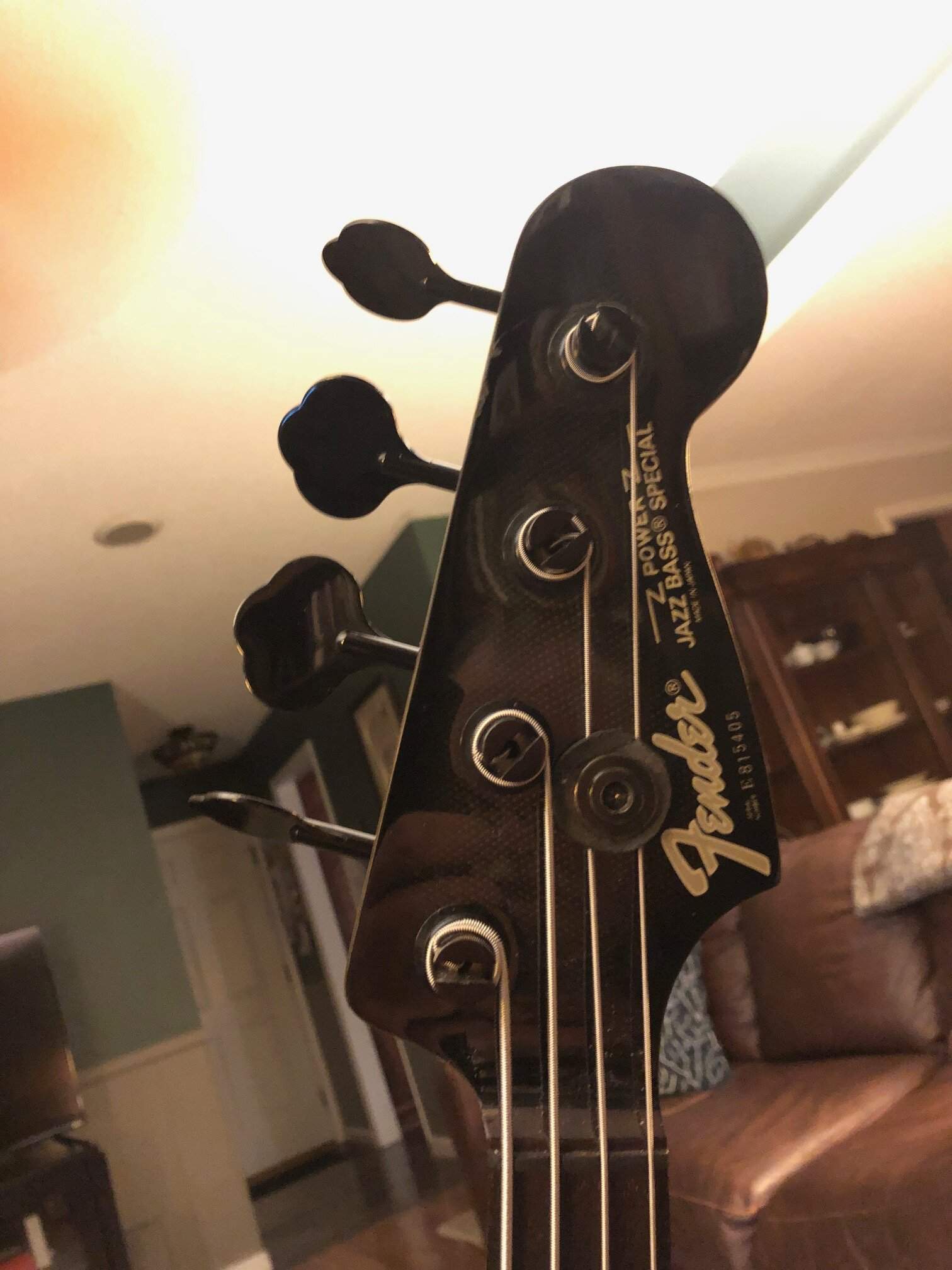
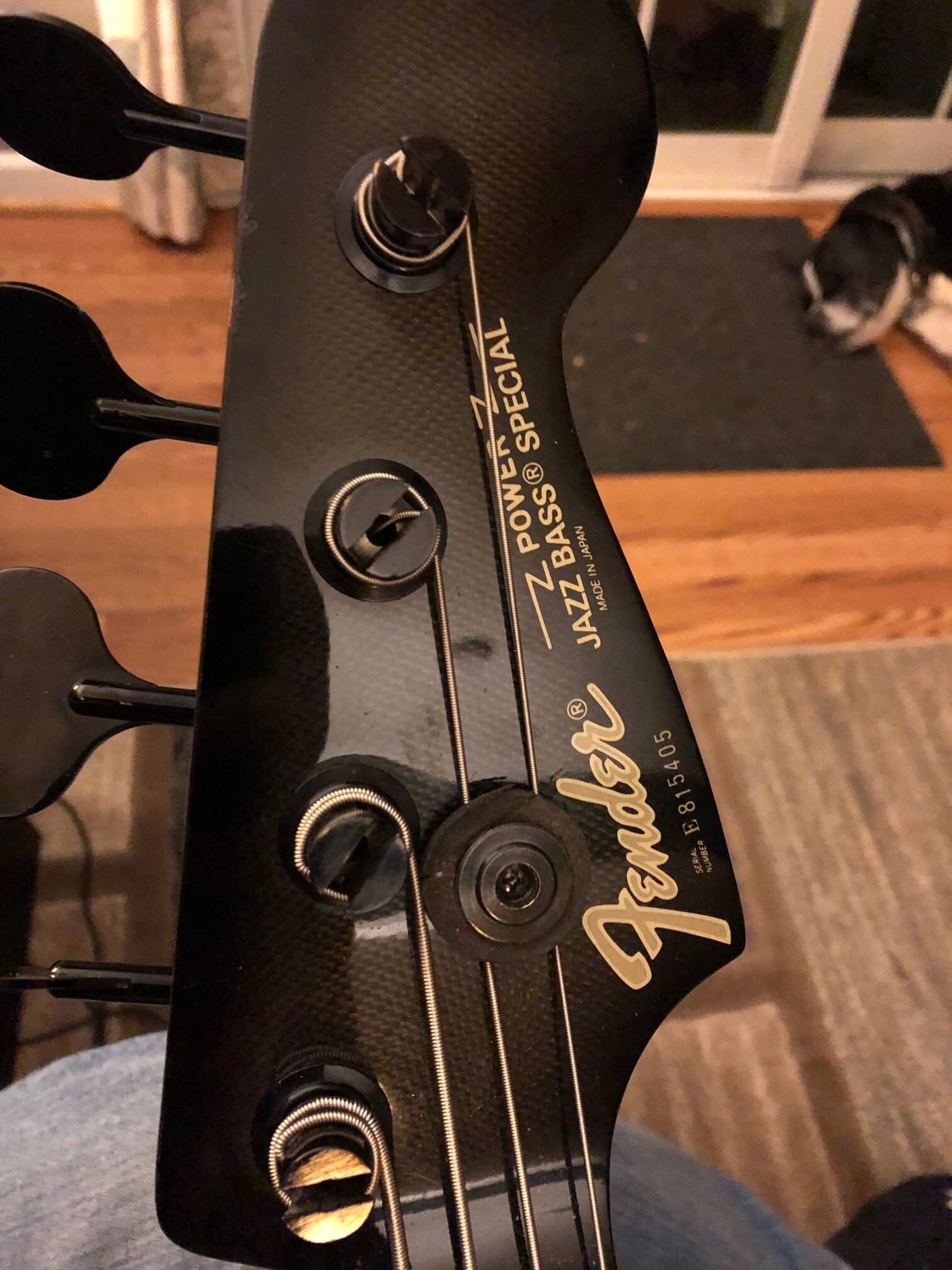
it does seem to help a bad dead note at the C#/Db 6th fret of the G string
maybe I could trim it up a bit for appearance sake but...

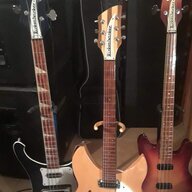
I just read the entire thread and there was only one reference to dead notes when there was no string tree. My Ric 4003 'c' on the g string is a bit dead but my 2030 has no dead notes. As many here know the 4003 is neck through and the 2030 is bolt on. Both have the newer style dual truss rods. The 2030 has a smaller head stock which could make a difference.
I used to have a 4001 many years ago (had the hairpin rods). No dead spots. Any suggestions for my 4003 and other 2&2 headstocks.
I used to have a 4001 many years ago (had the hairpin rods). No dead spots. Any suggestions for my 4003 and other 2&2 headstocks.

My 2 cents (this idea is not original with me, but it makes sense):
If a weight is used, instead of being clamped on solidly in the hope that it merely *moves* the dead spot, it is possible that if it is clamped onto a layer of rubber - of just the right thickness and density and dampening properties - that this assembly could *absorb* the resonance, like a shock absorber.
I think someone pointed out that the original Fat Finger (or something else, I can't remember) did have a rubber layer, but it might have been just protective of the finish.
Needs to be lossy, not springy, but does need to rebound before the next note might be played on that fret. So, not playdough. Yoga mat rubber might work. Ah, memory foam. Could include spring(s) to ensure rebound.
Or, imagine a *tuned* damper to kill a single frequency. Mass and spring?
Imagine a mass on the end of a telescoping springy shaft. Extend or retract to tune it.
Oh, -these days- can imagine an *active* tuned damper.
Ok, somebody bring it to market.
Something like that actually exists, it's called the The Electric Bass Dead Spot - Wolf Terminator.
Last edited:

Wow, thank you @antfarm!Something like that actually exists, it's called the The Electric Bass Dead Spot - Wolf Terminator.
(No offense intended to anyone, but one can imagine a simpler implementation of the same idea. Just use a little trial and error.)
Last edited:


