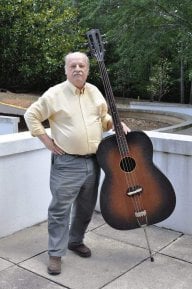
I build Ukuleles and DB is new to me but bought this at a Yard Sale
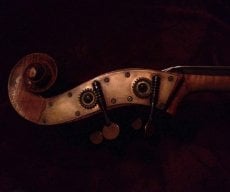
....so I have reset the neck on the 1937 kay bass and purchased Gut strings. In the Peg Head the holes in the tuner shaft is all to one side for loading each string. The Upton Bass tutorial for stringing shows a few wraps on each side of the hole and finishing rather straight in line with the nut slot. With Loading holes over to the side on this Kay Bass I only have room for one wrap before crossing to the other side of the string end. The gut strings by the time they have wrapped around they are no longer close to in line ... looking at the alignment with the nut slot the "A" and "D" strings are crossing over instead of looking straight in line.
So,I guess my questions are
1) how long should an unstrung Gut String be for a Kay Bass with a 41.5 Scale length?
2) what are the minimum no of wraps needed to not have string slippage on the posts
3) so if shortening the string is advisable to help keeping strings from a bad alignment What is the best way to cut Gut Strings
....so I have reset the neck on the 1937 kay bass and purchased Gut strings. In the Peg Head the holes in the tuner shaft is all to one side for loading each string. The Upton Bass tutorial for stringing shows a few wraps on each side of the hole and finishing rather straight in line with the nut slot. With Loading holes over to the side on this Kay Bass I only have room for one wrap before crossing to the other side of the string end. The gut strings by the time they have wrapped around they are no longer close to in line ... looking at the alignment with the nut slot the "A" and "D" strings are crossing over instead of looking straight in line.
So,I guess my questions are
1) how long should an unstrung Gut String be for a Kay Bass with a 41.5 Scale length?
2) what are the minimum no of wraps needed to not have string slippage on the posts
3) so if shortening the string is advisable to help keeping strings from a bad alignment What is the best way to cut Gut Strings
Last edited: