• TalkBass has been independent since 1998. Add your voice.
    Create a free account to reply to discussions, view embedded media, and browse with fewer display ads.
    Join freeLog in
    Want zero display ads or expanded classifieds tools? Compare plans.

HELP! Someone is trying to mic my cab tonight!

I sold off my (lowish to medium tier) older basses a couple years ago, and specifically chose a player model P. Generally speaking any sound tech with some work under their belt will know what their working with and how to slot me in.

IDC, take me DI before the amp, from the amp, mic, or all of it.

The one thing (for me) that I feel a mic isn't a great idea, though, is that I'm not seeking some holy grail sound for my backline. Cani hear me? Can the group hear me? Does the tone have good definition? Done. I actually kinda prefer a bit "quacky" to help me cut and stay defined... on the stage. I also often find that throughout the experience stage volume might change: the lead forgets to turn off his boost after a solo; the drummer gets more enthusiastic as the tunes progress, etc. Why mess with what the guy has already set during check by turning up a bit to compensate? Just take me before the amp. It's a P bass direct. Easy peasy.
 
It has been my experience that you will get a lot closer sound of your amp when you mic your cab than when you send a direct feed from a DI. The DI tone I get out of the fronts is usually too "HI FI-ISH" and lacking a lot of mid-range. It really all depends on the FoH tech and how well they can mix the bass guitar with the drums and other instruments. A few times I've had them do both mic and DI, it was the best sound I ever got from the FoH.
You know they just muted the mic channel right?
 
I will go on stage and listen to the bass from the player's perspective and translate this out to the FOH mix (which the player can't possible hear within the context to the room and the PA). I never had any issues getting the job done to the satisfaction of the tour manager or band leader doing it this way, and I'm talking about thousands of shows over 40 years.
Yeah... because you're the average sound guy.
 
Yeah... because you're the average sound guy.
It’s not uncommon in the pro world, especially working with acts and music that we are unfamiliar with.

I worked with a fair number of international music acts over the years, using instrument that were unique to a region or music’s ethnostyle. Listening to the instrument (and the mix the players were achieving on stage) was essential to successfully amplifying and mixing it for a (high paying) audience.
 
I should have prefaced that with, "in my limited experience..."

I'm sure there are plenty of people who take as much care and pride in their job as you do. I just haven't met them.

😁
That’s too bad. It’s much easier going it this way.
 
  • Like
Reactions: Geri O
Sometimes the soundman’s choices have absolutely nothing to do with you or “your tone”. Lol. They can simply be based on the quirks of the room, whatever equipment they have on hand that day, or even the size of the band. Also is this a stage where several acts will be playing one after another with limited time in between? Maybe the choice is based on the other band’s needs, and not yours. Running sound is both technical and an art. There isn’t just one way to do things.
 
It’s not uncommon in the pro world, especially working with acts and music that we are unfamiliar with.

I worked with a fair number of international music acts over the years, using instrument that were unique to a region or music’s ethnostyle. Listening to the instrument (and the mix the players were achieving on stage) was essential to successfully amplifying and mixing it for a (high paying) audience.
This is probably the most valuable, earliest lesson I learned - one of my first professors was a very old school classical/legit engineer, within a conservatory type BS program. He said put a finger in one ear and stick the other one where you guess the mic will sound good. Move your head til it sounds like the instrument, then put the mic there, go in and listen.

The following year the prof I had for that class was Dave Fridmann (Flaming Lips, MGMT, Mogwai, etc). He said the same thing was the most essential part of recording.

It's even more essential when it's happening in real time with speakers all over the place too.
 
  • Like
Reactions: dabis and agedhorse
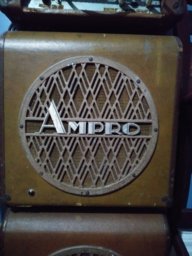
Help again, experts.
Same bar, one year later, the local band showed up with this:

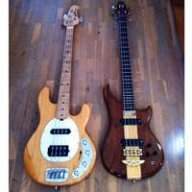
7e4d6bc6-f437-43ed-a13f-291e74480bac.jpeg


I think tech is not gonna mic anything this time.

cf339c34-eedb-493b-9e07-229ae767ddc5.jpeg


72161e87-5b3d-48c4-a2e0-8e38dff6326e.jpeg