• TalkBass has been independent since 1998. Add your voice.
    Create a free account to reply to discussions, view embedded media, and browse with fewer display ads.
    Join freeLog in
    Want zero display ads or expanded classifieds tools? Compare plans.

Input/Output Jack - Nut Loosens Easily

My bass is only a few weeks old, and I’m noticing that the nut where it’s plugged loosens easily. I can only tighten it with my fingers, but now I was looking around online to see if thats a known issue, and I saw how you shouldn’t just tighten the nut because the jack inside can come come loose and disconnect eventually. I saw this “Jack The Gripper” tool that’s supposed to be the perfect fix for this. Any experience with this out there? And is there a way to keep the nut in place? I don’t even move around when I practice, so I can’t imagine what’s making it loosen.
 
Does it have one of these on the inside?
upload_2020-6-28_22-2-33.png

If not it probably needs one.
 

Attachments

  • upload_2020-6-28_22-2-33.jpeg
    upload_2020-6-28_22-2-33.jpeg
    16.2 KB · Views: 53
Remove the two small screws that fasten the plate holding the jack. Slide the assembly out, just enough so you can grab the inside of the jack. Hold it while you tighten the nut on the outside of the jack with the proper wrench. Reassemble. But while you have it open see if there is a lock washer on the inside of the jack as suggested by GitmoMango and add one if there is none.
 
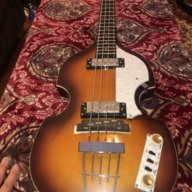
It’s a Hofner Ignition
Cool. The good news is that the jack plate is metal so you can tighten that nut without fear of breaking anything. But you have to make sure when you tighten the nut that the jack itself doesn't spin around, otherwise the wires will spin and eventually break. But more good news, on your bass this is easy to prevent.

As @Turnaround described, all you have to do is take out the two screws from the jack plate, pull the jack out an inch or two, and hold the jack in one hand while you tighten the nut with the other (you'll need a wrench, socket or nut driver to get enough leverage to tighten the nut properly). But before you tighten the nut, look behind the jack plate and see if there is a lock washer (pictured above) which helps hold the jack tight and prevent it from twisting. If there's no lock washer, the jack won't stay tight for very long.
 
Is Loctite Thread Locker ever used on these types of fixes?
Typically it's not necessary but I have used it on a few instruments where I knew the player was going on the road or the instrument was going to be subject to all manner of stage acrobatics. It's surprisingly messy stuff so you really have to be careful to not use too much and thoroughly clean off the excess. Plus nobody likes to see the purple or blue spots on their hardware.

That said it's very important to distinguish that there are different grades/strengths of Loc-Tite. For smaller screws you want to use low strength (Purple) and for larger stuff like the output jack, low or medium (Blue) strength. Nothing stronger.