
Enjoy the benefits of a premium membership!
Upgrade Account
-
TalkBass has been independent since 1998. Add your voice.
Create a free account to reply to discussions, view embedded media, and browse with fewer display ads.
Join free Log in
Want zero display ads or expanded classifieds tools? Compare plans.
You are using an out of date browser. It may not display this or other websites correctly.
You should upgrade or use an alternative browser.
You should upgrade or use an alternative browser.
Is this Normal?
- Thread starter ThemBones
- Start date
More options
Who Replied?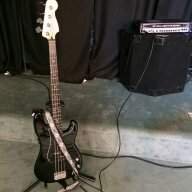
I dunno, I have a BIG gap in some of my neck slots (especially after shimming), so I wouldn't be too worried.
Your 2 fingers in the photo looked to me like something else entirely, before I scrolled down. Thanks for the laugh.
Your 2 fingers in the photo looked to me like something else entirely, before I scrolled down. Thanks for the laugh.

I
Haha yeah can't unsee
looked at my tele and it's almost that much on the bass side
I dunno, I have a BIG gap in some of my neck slots (especially after shimming), so I wouldn't be too worried.
Your 2 fingers in the photo looked to me like something else entirely, before I scrolled down. Thanks for the laugh.
Haha yeah can't unsee
looked at my tele and it's almost that much on the bass side

The good thing with fender basses is the built-in pickholder in the neckpocket, cant do that with a Sadowsky 

Manton Customs
UK Luthier
I don't understand why there are fit/finish issues like this on Fender basses. If they are all made on CNC machines, there's no reason why there should be huge gaps in the neck pocket.
I'd hazard a guess that it's the sanding of the neck heel after the machining that creates a looser fit, so some would be tight and others looser. I believe this sanding is done by hand (well a hand sander). So necks that have a looser fit have been sanded more to remove machining flaws etc.
Also you have to keep in mind they make hundreds of instruments a day and getting the best possible fit takes time due to the variables of finish and sanding, so as a company it makes sense to have a bit of leeway to prevent getting a neck that is too tight at assembly.
I'd hazard a guess that it's the sanding of the neck heel after the machining that creates a looser fit, so some would be tight and others looser. I believe this sanding is done by hand (well a hand sander). So necks that have a looser fit have been sanded more to remove machining flaws etc.
Also you have to keep in mind they make hundreds of instruments a day and getting the best possible fit takes time due to the variables of finish and sanding, so as a company it makes sense to have a bit of leeway to prevent getting a neck that is too tight at assembly.
I looked at my MIM and it wasn't as bad although there was some there.
The strings seem to line up on the neck ok, its not like E or G look to be in danger of falling off the fret board.
It just seems odd that I can see the body wood like that shouldn't be right.

Not something I look for. It would bother me if it was huge but as long as the bass plays and sound ok I'm good.
Strings lined up over pole pieces bug the heck out of me. Even though IME it doesn't have any negative impact on sound. It just really, really bother me.
Strings lined up over pole pieces bug the heck out of me. Even though IME it doesn't have any negative impact on sound. It just really, really bother me.

Only a problem if your neck is shifting or rattling or it is affecting the alignment or action of your strings - you'll find a lot of fenders (especially from certain eras) have HUGE gaps - the gap on my P is almost as big as yours, I've seen much worse with little/no negative effect.2014 American Standard PBass.
I have seen some "slop" or gap in a neck pocket of a strat or tele, this seems like more than normal but maybe I am wrong?
It is about the width of a yellow dunlop pick.
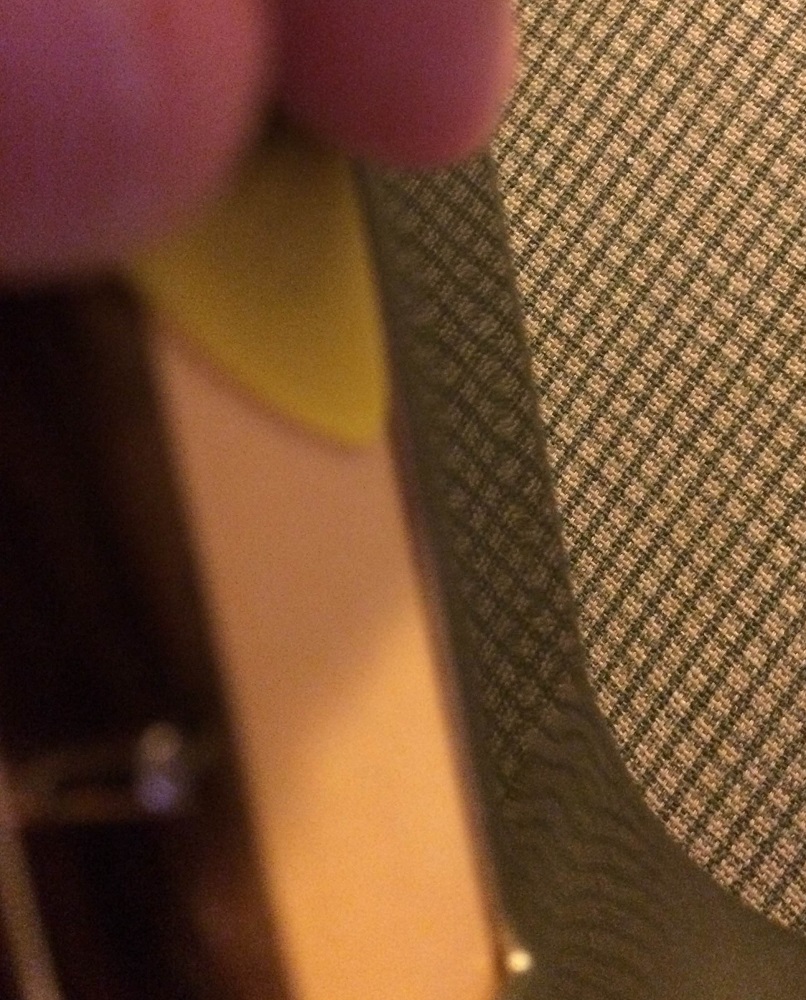
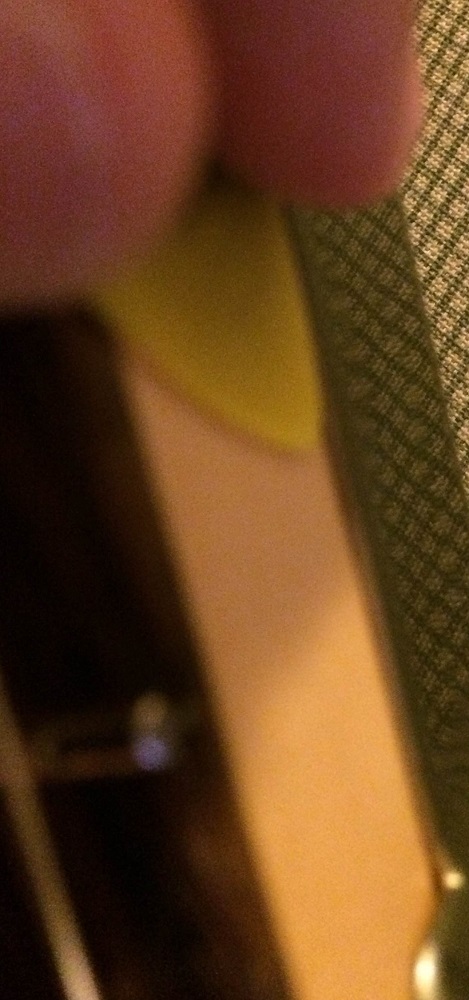
Does this look normal or right, or OK?
I'd hazard a guess that it's the sanding of the neck heel after the machining that creates a looser fit, so some would be tight and others looser. I believe this sanding is done by hand (well a hand sander). So necks that have a looser fit have been sanded more to remove machining flaws etc.
Also you have to keep in mind they make hundreds of instruments a day and getting the best possible fit takes time due to the variables of finish and sanding, so as a company it makes sense to have a bit of leeway to prevent getting a neck that is too tight at assembly.
That was my first thought, but then many other companies manage to get it right! I can see that maybe on the cheaper lines of instruments workers are not being paid as much, and as a consequence standards are maybe not as high, but I feel that on the top line of instruments (bar the custom shop) they should be able to get the neck pocket right.
Manton Customs
UK Luthier
Picture of the strings over the pickup and partial neck.

All of that looks ok I guess.
It's purely cosmetic and nothing to worry about, dunlop yellow picks are 0.73mm so it's not a huge gap and will not effect anything other than looks. The neck will still be central (strings equal on either side) no matter how big the gap as long as the neck was installed correctly (ie to the central line of the body). The screws/bolts do most of the work keeping it central, not the walls of the pocket.
That was my first thought, but then many other companies manage to get it right! I can see that maybe on the cheaper lines of instruments workers are not being paid as much, and as a consequence standards are maybe not as high, but I feel that on the top line of instruments (bar the custom shop) they should be able to get the neck pocket right.
No comment
 .
.I was playing along pretty happy, the neck feels really good, the action is really good right out of the box, I really like the feel over all, IMHO there is a definite better "feel" than the MIM then I started messing around near the 12th fret and it was noticeable to my hand like this is odd

So up close, so blurry....what are we looking at?
I apologize it was late and all I had was my iPhone.
New American Pbass
There is a gap or over-hang on the treble G side about the width of a yellow dunlop pick.
The body is bigger than the neck I guess.
So the right of the picture is the JPM body.
The left is the neck
The Middle is a dunlop plectrum for reference.
It sounds like it may just be a cosmetic issue.

2014 American Standard PBass.
I have seen some "slop" or gap in a neck pocket of a strat or tele, this seems like more than normal but maybe I am wrong?
It is about the width of a yellow dunlop pick.
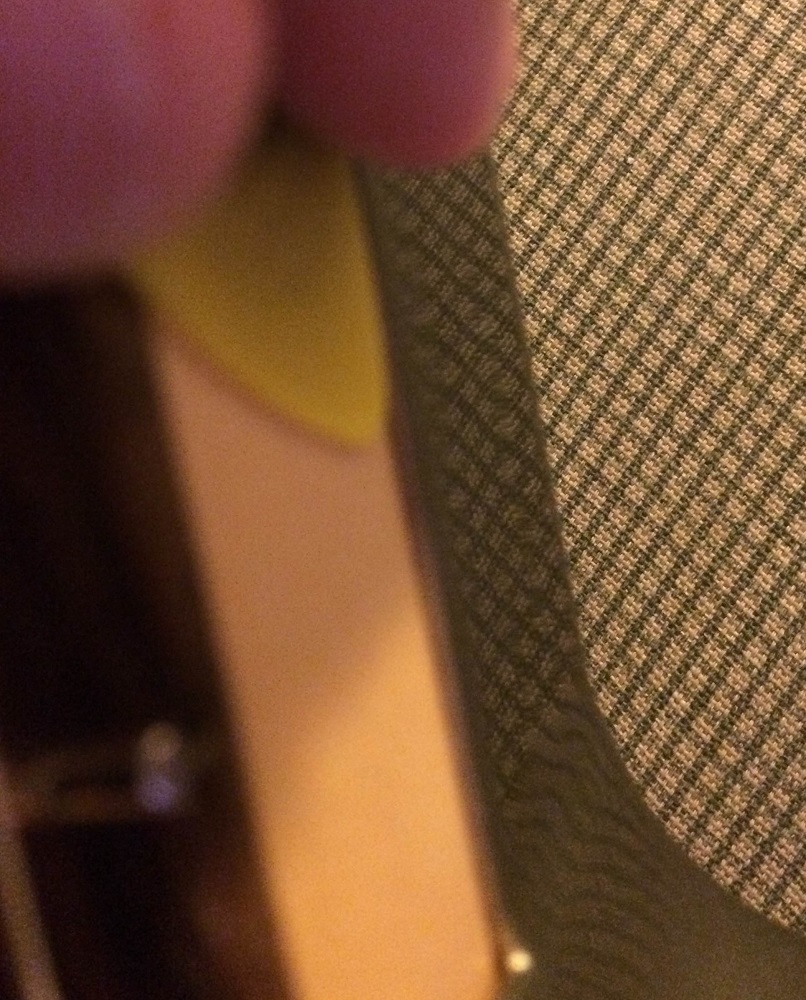
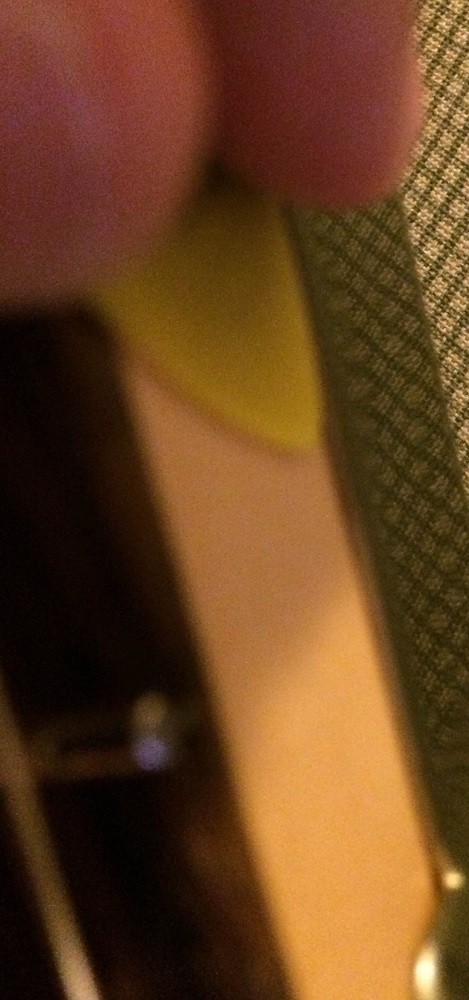
Does this look normal or right, or OK?
For a Fender? Yes. No gap at all, on my lakkand/sadodwksy/zon or pedulla. Or even my warmoth.
Fender quality. Woo hoo!

I thinks its amazing that some find these types flaws acceptable, even if they are just cosmetic, on $1000+ instruments and that Fender can and will continue to sell instruments with crappy quality control at premium prices. But I guess without that name on the headstock it's just not a good bass?

If the neck is fitted properly, i.e., no movement, etc., I wouldn't worry too much about it. That being said, I have a $150 SX Ursa 4 bass that looks like the neck was hand fitted to the body.2014 American Standard PBass.
I have seen some "slop" or gap in a neck pocket of a strat or tele, this seems like more than normal but maybe I am wrong?
It is about the width of a yellow dunlop pick.
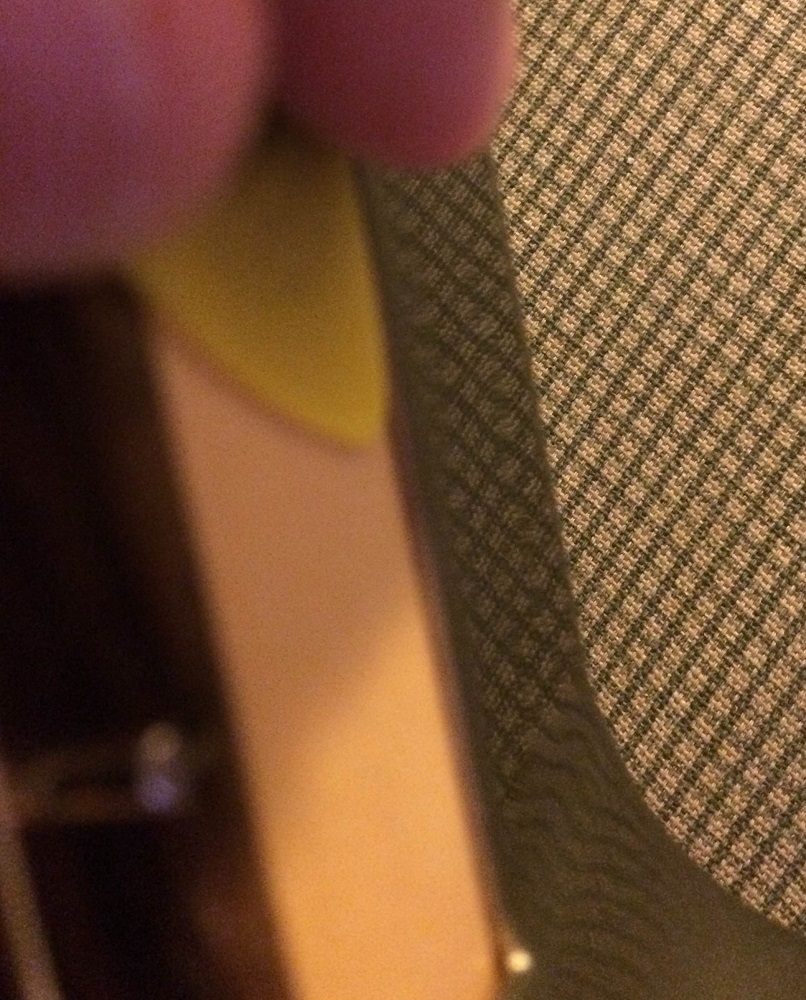
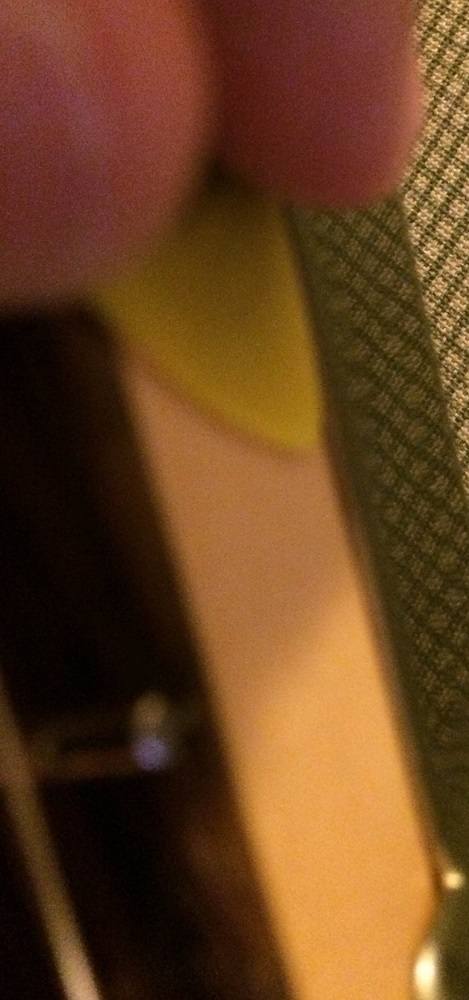
Does this look normal or right, or OK?


