I'm not really a bass player so this is kinda an idiotic reply. For my bass lines I mimic the left hand of the piano player. I love boogie woogie (barrel house) music so it involves a lot of repeating figures following the root of the chord progressions. I suppose you could try looking at the piano sheets and ignore the treble staff and just play the bass staff.

Enjoy the benefits of a premium membership!
Upgrade Account
-
TalkBass has been independent since 1998. Add your voice.
Create a free account to reply to discussions, view embedded media, and browse with fewer display ads.
Join free Log in
Want zero display ads or expanded classifieds tools? Compare plans.
You are using an out of date browser. It may not display this or other websites correctly.
You should upgrade or use an alternative browser.
You should upgrade or use an alternative browser.
Learning Walking Bass
- Thread starter David B Wilson
- Start date
More options
Who Replied?
I'm not really a bass player so this is kinda an idiotic reply. For my bass lines I mimic the left hand of the piano player. I love boogie woogie (barrel house) music so it involves a lot of repeating figures following the root of the chord progressions. I suppose you could try looking at the piano sheets and ignore the treble staff and just play the bass staff.
Although this will work for boogie woogie, typically most bass player would rather tie the keyboard player's left hand behind their back
 .
.
A walking bassline by definition is improvised and does not involve a lot of repetition.I love boogie woogie (barrel house) music so it involves a lot of repeating figures following the root of the chord progressions.
A walking bassline by definition is improvised and does not involve a lot of repetition.
Although, boogie woogie and blues, and sometimes other styles do often have repetitive lines, in fact.
Jazzdogg
Less barking, more wagging!
Groove Master
Commercial User
- Apr 22, 2011
- 1,808
- 1,291
- Disclosures
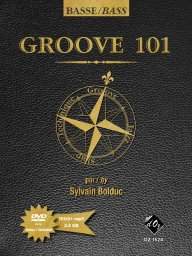
- Author of Groove 101, Slap 101 and Technique 101
One of best teaching method I use with my students is to focus on one approach at the time and I make the students write down the bass line using only that one. For example walking in 2 with only 1-5 helps putting the fifth up or below the root and recognize where it fits best when connecting chords with the smallest interval for connecting chords. Then you improvise your own and then mix with another approach.What’s the best way to learn walking bass over jazz standards?
Open to all ideas and or suggestions.
Thx!
Bassman
transcribe transcribe transcribe. Then see the reasons behind the notes and create your own cadences.

What a wonderful lesson! Good advice. Taken individually I've heard those patterns in many songs. Taken together they make an original sounding accompaniment.
A couple more book recommendations -
Mike Downes "The Jazz Bass Lines Book" is really comprehensive and it contains side-by-side transcriptions of lines by different players over the same tune
Also, "Walking Jazz Lines For Bass" by Jay Hungerford is good because it contains a lot of reusable patterns that you can use for connecting chords.
The money you'd spend on these and Ed Friedland and Ed Fuqua's books is well worth it IMO. They all cover the same material, but in different ways and you'll pick up something from each of them.
Mike Downes "The Jazz Bass Lines Book" is really comprehensive and it contains side-by-side transcriptions of lines by different players over the same tune
Also, "Walking Jazz Lines For Bass" by Jay Hungerford is good because it contains a lot of reusable patterns that you can use for connecting chords.
The money you'd spend on these and Ed Friedland and Ed Fuqua's books is well worth it IMO. They all cover the same material, but in different ways and you'll pick up something from each of them.


