Opinions needed: I'm playing in the pit for a musical right now, and for most of the scene changes, the lights go out, except for the lights on my stand. I'm having a bit of trouble seeing the fretboard well enough to be totally accurate. Is that sort of a normal problem, or do I just have to start practicing in the dark? I know... more practice of any kind isn't a bad idea. Thoughts or suggestions are welcome. Especially if anyone tells me I'm not the only one.

Enjoy the benefits of a premium membership!
Upgrade Account
-
TalkBass has been independent since 1998. Add your voice.
Create a free account to reply to discussions, view embedded media, and browse with fewer display ads.
Join free Log in
Want zero display ads or expanded classifieds tools? Compare plans.
You are using an out of date browser. It may not display this or other websites correctly.
You should upgrade or use an alternative browser.
You should upgrade or use an alternative browser.
Lights, please!
- Thread starter FifthOneForMe
- Start date
More options
Who Replied?


Practice playing without watching your hands. It'll help you in any number of ways.
The frets don't move. Your fingers are where they've always been. The strings vibrate, but they're still within a millimeter or 2 of where they always are. What do you need to look for?
The frets don't move. Your fingers are where they've always been. The strings vibrate, but they're still within a millimeter or 2 of where they always are. What do you need to look for?

I agree with this, but it takes some time to really get this down, so it isn't a 'right now' fix. A small LED light might help, or perhaps some kind of glow in the dark stickers or paint to mark some of the frets might help in the meantime.Practice playing without watching your hands. It'll help you in any number of ways.
The frets don't move. Your fingers are where they've always been. The strings vibrate, but they're still within a millimeter or 2 of where they always are. What do you need to look for?
FWIW, I played outdoors on a dock over the 4th, with no lights, so I really couldn't see at all. It was just an informal jam, so no big deal if I missed a note. Fortunately, I've been working on playing without looking at my hands, and that effort paid off.

I use these clips right across the strings after nut swivels to shine right down the neck. I have neon string of my basses so have a blacklight in mine but it will work for you
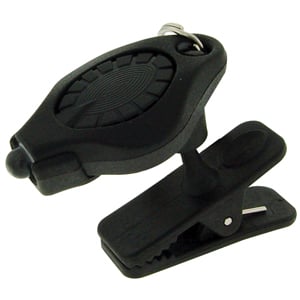
this is another type I have it is the best of them all the others are from a dollar store in town
[Invalid or Expired Link Removed]
[Invalid or Expired Link Removed]

Is that sort of a normal problem, or do I just have to start practicing in the dark?
I can't say that I ever really had problems with it, but it does sound like something you're going to need to work on for pit work. I played in pit orchestras for about 20 years, and I had some shows where we couldn't even have stand lights. Is this your first show?


Opinions needed: I'm playing in the pit for a musical right now, and for most of the scene changes, the lights go out, except for the lights on my stand. I'm having a bit of trouble seeing the fretboard well enough to be totally accurate. Is that sort of a normal problem, or do I just have to start practicing in the dark? I know... more practice of any kind isn't a bad idea. Thoughts or suggestions are welcome. Especially if anyone tells me I'm not the only one.
Well, I don't look at my hands when I practice, because I'm too busy reading the pages. And unless I get 80 pages memorized, there will be some surprises now and then. What gives me trouble is when I need to go up and down the fretboard when the light is low. What I wanted ask is if anyone else has the same problem, and from the looks of the replies, it seems I'm not the only one. Thanks for the suggestions, everyone.
Opinions needed: I'm playing in the pit for a musical right now, and for most of the scene changes, the lights go out, except for the lights on my stand. I'm having a bit of trouble seeing the fretboard well enough to be totally accurate. Is that sort of a normal problem, or do I just have to start practicing in the dark? I know... more practice of any kind isn't a bad idea. Thoughts or suggestions are welcome. Especially if anyone tells me I'm not the only one.
Looking occasionally for reference is OK, but you have to be able to run 98.346% of the time without looking. In a pit situation, its enough to watch charts and conductor/director without having to look at your hands. All of my basses (slabs and EUB's) are 5 string, with a high C string. This allows me (if I choose) to play from my open E string all the way up to a high Eb and not go past the 4th "fret".
ps My least favorite keys are Ab, Db, Gb, and yes Cb or G#, C#, F# or B----------but I've learned to shift without looking (got about 46 years on the instrument with formal lessons from day 1).
I wonder if the guy who makes fretboard stickers (Jockomo, is it?) might have dots that would reflect low level ambient light, like the glow from you music stand light...
And unless I get 80 pages memorized, there will be some surprises now and then. What gives me trouble is when I need to go up and down the fretboard when the light is low.
The more shows you do, the easier it will become. I used to do nine-week runs of five shows per week (sometimes six if we had a matinee), and I'd usually have the music memorized by the second or third week. Wasn't trying to, just kinda happened.
Practically speaking, I've found that pit work requires paying a lot of attention to what's going on around you - the music of course, but also the conductor, and in my experience, what's happening on stage - it's happened more than once where an actor has just completely gone off the deep end and the orchestra has had to jump ahead or behind a half-dozen pages in the score, or had a cold or something where we had to transpose a few tunes for the next performance or two. It'll definitely help a great deal if you can work on being able to navigate the fretboard without looking.
Well, now you're convincing me to buy a 5-string!Looking occasionally for reference is OK, but you have to be able to run 98.346% of the time without looking. In a pit situation, its enough to watch charts and conductor/director without having to look at your hands. All of my basses (slabs and EUB's) are 5 string, with a high C string. This allows me (if I choose) to play from my open E string all the way up to a high Eb and not go past the 4th "fret".
ps My least favorite keys are Ab, Db, Gb, and yes Cb or G#, C#, F# or B----------but I've learned to shift without looking (got about 46 years on the instrument with formal lessons from day 1).

Well, now you're convincing me to buy a 5-string!
A perfect TB thread...come in asking about a led light, go away with a 5-string !
A perfect TB thread...come in asking about a led light, go away with a 5-string !
At least this is a better reason than--- "I don't need those 5 lower notes" or "it makes a good thumb rest".


