• TalkBass has been independent since 1998. Add your voice.
    Create a free account to reply to discussions, view embedded media, and browse with fewer display ads.
    Join freeLog in
    Want zero display ads or expanded classifieds tools? Compare plans.

Maple fretboard?

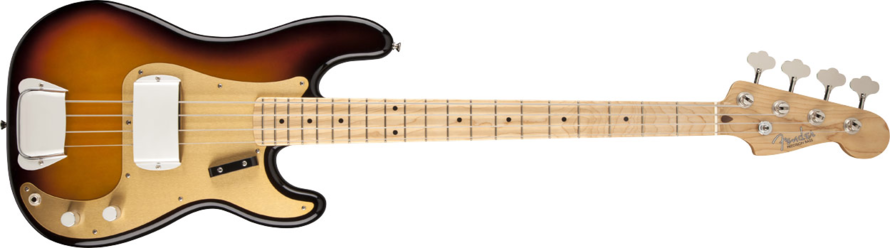
I would love this...but it ain't gonna happen. Don't have 3 bills to drop right now.
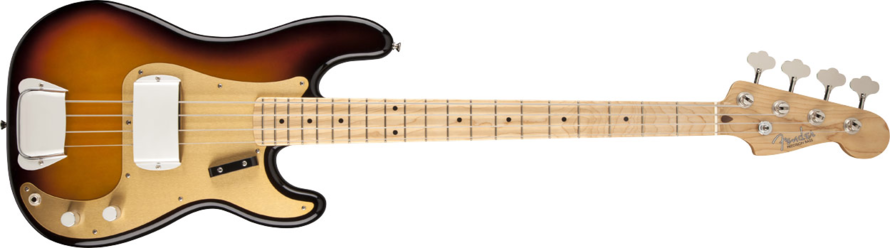
ffaaedb5440c82321514517cff90b9eb.png

Ooooh, baybeee!! Where'd you find that hot mama?
 
I can't stand maple fretboards... it just looks... unfinished? Like there was something left to do to it that never got done. I don't know how to explain it. I guess it seems like an unpainted car or something. Rosewood all the way.

 
I bought a Stingray back in 2005 with a maple fretboard. It wasn't lacquered and it got dirty really quickly. In addition I got a nasty ding on the fretboard, the wood seemed really soft in comparison to a rosewood fretboard. It also required very frequent trussrod adjustments due to the humidity in Ireland. Anyway I found an excellent luthier who fixed the 'ding' and lacquered the fingerboard (he left the back of the neck with original satin finish). Now the bass looks great, the lacquer has aged and has yellowed a little (looks really 'vintage') And the neck relief is really stable. if I were to buy again I think I'd go rosewood (or lacquered maple). Well that's my story.
 
Maple necks just give me a brighter and crisper tone. I have a ebony neck, rosewood and ebony bass.....and the sweetest tones seem to come from ny maple neck.....I love all the wood tones but maple is my fave...just my 1-1/2 cents
 
I read something which made a lot of sense to me : according to Sheldon Dingwall, basses with a gloss finished neck and oil finished board (or the other way around) are unbalanced in the way they react to moisture changes. Therefore, these necks are less stable.

When it comes to sound, I'm pretty sure I can hear the difference between fretboard woods. Ebony has this immediate, glassy attack. Rosewoods are generally warmer but many different species with different properties are being used. I found wenge has a nice balance of warmth and snapiness but some won't like the rough feel.
Now back to maple, it is bright sounding in itself but I believe the finish does impact the tone on the fretboard much more than anywhere else. When I A/B'd my precision (satin neck) against a PJ Vester I used to own (white paint and thick gloss all over, including the fretboard) what I heard was very different, even acoustically. Sure they had different bridges but they were otherwise very similar (fenderish shaped alder body, 4x bolt-on construction, maple neck, same strings).

Now, some basses do call for specific woods for esthetic and/or tonal reasons. As much as I love wenge, I just can't imagine it on a precision.
I'm currently waiting for a custom jazz style bass with a bocote fretboard on a reliced maple neck. Oh, and it will have a steel body too. It should be interresting.
 

Latest posts